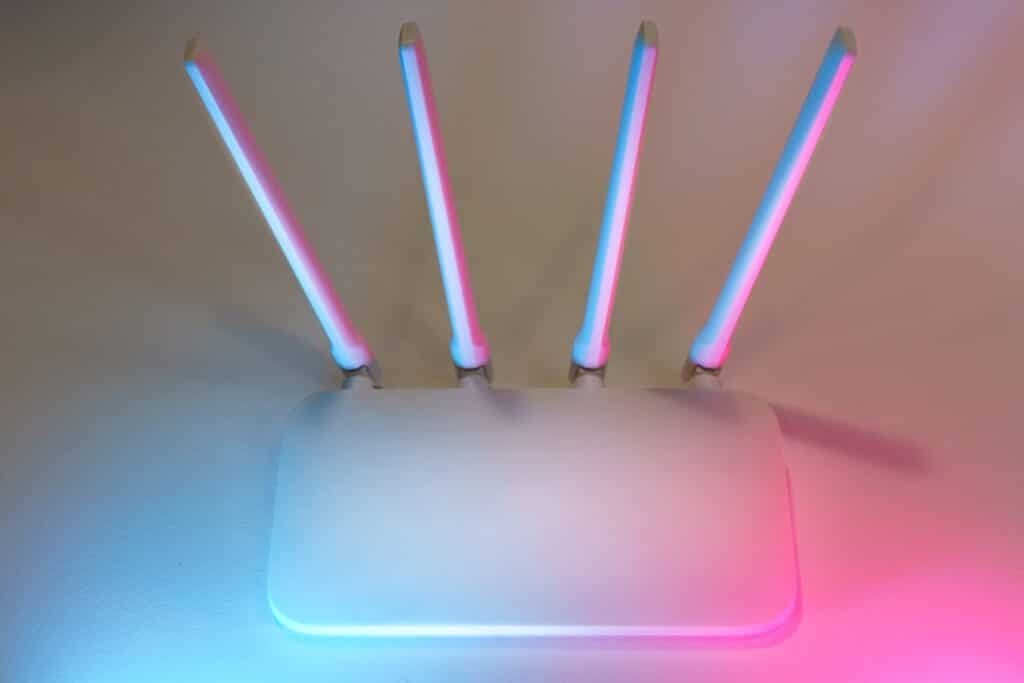
In an age where technology permeates every aspect of our lives, smart security devices have emerged as a cornerstone of modern home safety. You may have noticed how these devices have transformed the way you think about security, offering not just protection but also convenience and peace of mind. From smart cameras that allow you to monitor your home in real-time to doorbell cameras that let you see who is at your door without having to open it, these innovations are designed to keep you connected and informed.
The integration of artificial intelligence and machine learning into these devices has further enhanced their capabilities, making them more responsive and intuitive. As you explore the world of smart security, you will find that these devices are not just standalone gadgets; they are part of a larger ecosystem that works together to create a comprehensive security solution. This interconnectedness allows for seamless communication between devices, enabling you to manage your home security from anywhere in the world.
Whether you are at work, on vacation, or simply out for the evening, smart security devices empower you to take control of your safety like never before. As you delve deeper into this topic, you will discover the various technologies that underpin these devices and how they contribute to a safer living environment.
Key Takeaways
- Smart security devices are revolutionizing the way we protect our homes and businesses, offering advanced features and remote access capabilities.
- Wireless communication protocols such as Wi-Fi, Bluetooth, and Zigbee are commonly used in smart security devices to enable seamless connectivity and control.
- Mesh networking plays a crucial role in smart security systems by allowing devices to communicate with each other and extend the range of coverage.
- Integration of smart security devices with home automation systems enables users to create a comprehensive and interconnected smart home ecosystem.
- Cloud-based communication and remote access are essential components of smart security systems, allowing users to monitor and control their devices from anywhere.
Wireless Communication Protocols Used in Smart Security Devices
At the heart of smart security devices lies a complex web of wireless communication protocols that facilitate their operation. You may be surprised to learn that these protocols are essential for ensuring that your devices can communicate effectively with one another and with your smartphone or computer. Common protocols such as Wi-Fi, Zigbee, Z-Wave, and Bluetooth each have their unique advantages and limitations.
For instance, Wi-Fi offers high data transfer rates and is widely available, making it a popular choice for many smart devices. However, it can be power-hungry, which may not be ideal for battery-operated devices. On the other hand, Zigbee and Z-Wave are designed specifically for low-power applications, making them suitable for devices that require long battery life.
These protocols create a mesh network, allowing devices to communicate with each other even if they are not directly connected to the main hub. This is particularly beneficial in larger homes where Wi-Fi signals may struggle to reach every corner. As you consider the various wireless communication protocols, it becomes clear that the choice of protocol can significantly impact the performance and reliability of your smart security system.
Mesh Networking and its Role in Smart Security Systems
Mesh networking is a revolutionary concept that has transformed the landscape of smart security systems. You might be wondering how this technology works and why it is so crucial for enhancing the reliability of your security devices. In a traditional network setup, devices connect directly to a central hub or router.
However, in a mesh network, each device acts as a node that can relay information to other nodes. This means that even if one device goes offline or is out of range, the others can still communicate with each other and maintain the network’s integrity. The benefits of mesh networking become particularly evident when you consider the layout of your home.
If you have a large house or one with multiple floors, certain areas may have weak Wi-Fi signals, leading to connectivity issues for your smart security devices. With mesh networking, you can place devices strategically throughout your home to ensure robust communication. This not only enhances the performance of your security system but also provides you with greater flexibility in choosing where to install your devices.
As you explore mesh networking further, you’ll appreciate how it contributes to a more resilient and efficient smart security ecosystem.
Integration of Smart Security Devices with Home Automation Systems
The integration of smart security devices with home automation systems represents a significant leap forward in creating a cohesive living environment. You may already be familiar with the concept of home automation, where various devices in your home work together to enhance convenience and efficiency. When you integrate your security devices into this system, you gain the ability to create customized scenarios that enhance both safety and comfort.
For example, imagine arriving home after dark; your smart lights could automatically turn on as you approach, while your door locks engage securely behind you. This level of integration allows for greater control over your home environment. You can set up routines that trigger specific actions based on your preferences or even use voice commands through virtual assistants like Amazon Alexa or Google Assistant.
The synergy between smart security devices and home automation systems not only simplifies your daily routines but also enhances your overall sense of security. As you consider the possibilities, you’ll find that this integration opens up new avenues for creating a safe and efficient living space tailored to your lifestyle.
Cloud-Based Communication and Remote Access in Smart Security Systems
Cloud-based communication has revolutionized how you interact with your smart security devices. By leveraging cloud technology, these systems enable remote access from anywhere in the world through your smartphone or tablet. This means that whether you’re at work or on vacation, you can monitor live feeds from your security cameras, receive alerts about unusual activity, and even control locks or alarms with just a few taps on your screen.
The convenience of cloud-based communication empowers you to stay connected to your home at all times. Moreover, cloud technology allows for continuous updates and improvements to your smart security system. Manufacturers can push software updates remotely, ensuring that your devices are equipped with the latest features and security enhancements without requiring any manual intervention on your part.
This not only keeps your system running smoothly but also helps protect against emerging threats in the digital landscape. As you embrace cloud-based communication in your smart security setup, you’ll appreciate the peace of mind that comes from knowing you can always keep an eye on your home.
The Role of IoT in Smart Security Device Communication
The Internet of Things (IoT) plays a pivotal role in the communication between smart security devices. You may have heard this term thrown around frequently, but what does it really mean? At its core, IoT refers to the network of interconnected devices that communicate with each other over the internet.
In the context of smart security systems, IoT enables seamless interaction between various devices—such as cameras, sensors, alarms, and locks—creating a unified security solution. With IoT technology, your smart security devices can share data in real-time, allowing for more informed decision-making and quicker responses to potential threats. For instance, if a motion sensor detects movement outside your home while you’re away, it can trigger your camera to start recording and send an alert to your smartphone simultaneously.
This level of integration enhances situational awareness and allows you to respond promptly to any unusual activity. As you delve deeper into IoT’s role in smart security communication, you’ll recognize its potential to create a more responsive and intelligent security ecosystem.
Challenges and Security Concerns in Interconnected Smart Security Systems
While the benefits of interconnected smart security systems are undeniable, they also come with their own set of challenges and security concerns. As you navigate this landscape, it’s essential to be aware of potential vulnerabilities that could compromise your safety. One significant concern is the risk of hacking; as more devices connect to the internet, they become potential entry points for cybercriminals seeking unauthorized access to your home network.
Additionally, many users may overlook the importance of securing their devices with strong passwords or enabling two-factor authentication. This oversight can leave systems exposed to attacks that could disable alarms or allow intruders access to sensitive information. As you consider implementing smart security solutions in your home, it’s crucial to prioritize cybersecurity measures alongside physical safety features.
By staying informed about potential risks and taking proactive steps to secure your devices, you can enjoy the benefits of smart security while minimizing vulnerabilities.
Future Trends in Smart Security Device Communication
Looking ahead, several exciting trends are poised to shape the future of smart security device communication. One notable trend is the increasing adoption of artificial intelligence (AI) within these systems. As AI technology continues to advance, it will enable smarter decision-making capabilities for your security devices.
For example, AI algorithms could analyze patterns in video footage to distinguish between normal activity and potential threats more accurately than ever before. Another trend is the growing emphasis on interoperability among different brands and types of devices. As consumers demand more cohesive solutions for their homes, manufacturers are likely to prioritize compatibility across various platforms and ecosystems.
This means that regardless of which brand you choose for your smart security system, you’ll be able to integrate it seamlessly with other devices in your home automation setup. As you reflect on these trends, it’s clear that the future of smart security device communication holds immense potential for enhancing safety and convenience in our lives. By staying informed about emerging technologies and best practices, you’ll be well-equipped to make informed decisions about securing your home in an increasingly interconnected world.
If you are interested in learning more about enhancing home security, you may want to check out the article Enhancing Home Security: Tips and Tricks for a Safer Home. This article provides valuable insights and strategies for making your home more secure and protected. It complements the information on how smart security devices communicate with each other, offering a comprehensive approach to safeguarding your home.
FAQs
What are smart security devices?
Smart security devices are electronic devices that are connected to the internet and can be controlled and monitored remotely. These devices are designed to enhance the security of homes and businesses by providing features such as surveillance, access control, and monitoring of environmental conditions.
How do smart security devices communicate with each other?
Smart security devices communicate with each other using various wireless communication protocols such as Wi-Fi, Bluetooth, Zigbee, Z-Wave, and cellular networks. These protocols allow the devices to exchange information and commands, enabling them to work together to provide comprehensive security coverage.
What is a hub in the context of smart security devices?
A hub is a central device that acts as a bridge between different smart security devices. It allows these devices to communicate with each other and with a central control interface, such as a smartphone app or a web portal. The hub may support multiple communication protocols to ensure compatibility with a wide range of devices.
Can smart security devices be integrated with other smart home systems?
Yes, smart security devices can be integrated with other smart home systems such as lighting, heating, and entertainment systems. This integration allows for centralized control and automation of various aspects of the home, providing convenience and enhancing overall security and comfort.
What are the benefits of smart security devices communicating with each other?
When smart security devices communicate with each other, they can provide a more comprehensive and coordinated security solution. For example, a motion sensor can trigger a surveillance camera to start recording, or a door sensor can activate an alarm and send a notification to the homeowner’s smartphone. This level of integration enhances the overall effectiveness of the security system.