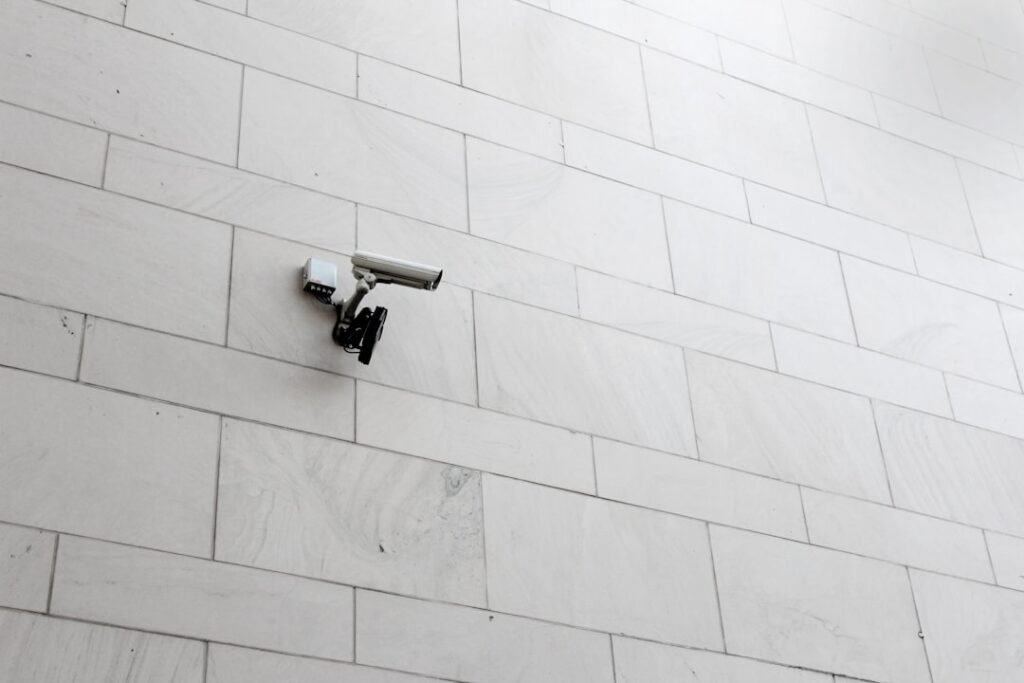
In an age where technology permeates every aspect of our lives, smart security systems have emerged as a vital component in safeguarding homes and businesses. These systems integrate advanced technologies such as artificial intelligence, machine learning, and the Internet of Things (IoT) to provide enhanced security features that traditional systems simply cannot match. You may find yourself drawn to the convenience and peace of mind that these systems offer, allowing you to monitor your property remotely, receive real-time alerts, and even control various security devices from your smartphone.
As you explore the world of smart security systems, you will discover a range of options tailored to meet diverse needs. From smart cameras equipped with facial recognition to motion sensors that can differentiate between pets and intruders, these systems are designed to adapt to your lifestyle. However, while the benefits are numerous, it is essential to consider the environmental factors that can impact their performance.
One such factor is extreme temperatures, which can pose significant challenges to the reliability and functionality of these advanced security solutions.
Key Takeaways
- Smart security systems are designed to provide advanced security features and remote monitoring capabilities.
- Extreme temperatures can have a significant impact on the performance and durability of smart security systems.
- Smart security systems are designed with durable materials and advanced technology to withstand extreme temperatures.
- Testing and certification processes ensure that smart security systems meet industry standards for withstanding extreme temperatures.
- Common issues faced by smart security systems in extreme temperatures include battery drainage and sensor malfunctions.
The Impact of Extreme Temperatures on Smart Security Systems
Extreme temperatures can have a profound effect on the performance of smart security systems. Whether you are dealing with scorching heat or frigid cold, these conditions can lead to malfunctions or even complete system failures. For instance, high temperatures can cause overheating in electronic components, leading to reduced efficiency or permanent damage.
Conversely, extremely low temperatures can result in battery failures or sluggish performance in devices that rely on sensitive electronics. You may not realize it, but the materials used in smart security devices also play a crucial role in their ability to withstand temperature fluctuations. Plastic casings can become brittle in cold weather, while heat can warp or degrade them over time.
Additionally, the performance of sensors and cameras can be compromised by extreme temperatures, affecting their ability to detect motion or capture clear images. Understanding these impacts is essential for anyone considering the installation of a smart security system, as it can help you make informed decisions about the products best suited for your environment.
How Smart Security Systems are Designed to Withstand Extreme Temperatures
Manufacturers of smart security systems are increasingly aware of the challenges posed by extreme temperatures and are designing their products accordingly. You will find that many devices are now built with materials specifically engineered to endure harsh conditions. For example, some cameras feature weatherproof housings that protect sensitive components from moisture and temperature extremes, ensuring reliable operation regardless of the climate.
Moreover, advanced thermal management techniques are being employed in the design of smart security systems. These techniques help dissipate heat generated by electronic components, preventing overheating during hot summer months. Additionally, insulation materials may be used to protect internal components from the cold, ensuring that your system remains functional even in frigid conditions.
By investing in devices designed with these considerations in mind, you can enhance the longevity and reliability of your smart security system.
Testing and Certification of Smart Security Systems for Extreme Temperatures
To ensure that smart security systems can withstand extreme temperatures, rigorous testing and certification processes are employed by manufacturers. You may be interested to know that many devices undergo standardized tests that simulate various environmental conditions, including extreme heat and cold. These tests help identify potential weaknesses in design and materials, allowing manufacturers to make necessary adjustments before products reach the market.
Certification from recognized organizations can also provide you with peace of mind when selecting a smart security system. Devices that meet specific temperature resistance standards are often labeled with certifications such as IP (Ingress Protection) ratings or NEMA (National Electrical Manufacturers Association) ratings. These certifications indicate that a product has been tested for durability and performance under extreme conditions, giving you confidence in its ability to function reliably in your environment.
Common Issues Faced by Smart Security Systems in Extreme Temperatures
Despite advancements in technology and design, smart security systems can still encounter issues when exposed to extreme temperatures. One common problem is battery performance; you may notice that batteries tend to drain more quickly in high heat or fail altogether in freezing conditions. This can lead to unexpected outages and gaps in your security coverage when you need it most.
Another issue is related to connectivity. Extreme temperatures can affect wireless signals, leading to intermittent connections or complete loss of communication between devices. This is particularly concerning for systems that rely on cloud storage or remote monitoring capabilities.
If your smart security system cannot maintain a stable connection during critical moments, it may compromise your overall security strategy.
Tips for Maintaining Smart Security Systems in Extreme Temperatures
To ensure that your smart security system remains functional during extreme temperatures, regular maintenance is essential. You should start by checking the placement of your devices; if they are exposed to direct sunlight or harsh weather conditions, consider relocating them to more sheltered areas. This simple adjustment can significantly extend the lifespan of your equipment.
Additionally, you should routinely inspect batteries and replace them as needed. Many smart security devices come with low-battery alerts, but it’s wise to proactively check battery levels during seasonal changes. You might also want to invest in high-quality batteries designed for extreme conditions, as they tend to perform better than standard options.
Furthermore, keeping your devices clean and free from debris will help maintain optimal performance and prevent overheating.
Advancements in Smart Security System Technology for Extreme Temperatures
The field of smart security technology is constantly evolving, with new advancements aimed at improving performance under extreme temperature conditions. You may be intrigued by innovations such as solar-powered cameras that utilize renewable energy sources while being designed to withstand harsh weather elements. These cameras not only reduce reliance on traditional power sources but also often come equipped with features that enhance their durability.
Another exciting development is the integration of artificial intelligence into smart security systems. AI algorithms can analyze environmental data and adjust device settings accordingly, optimizing performance based on current temperature conditions. For instance, if a camera detects rising temperatures, it may automatically adjust its internal cooling mechanisms to prevent overheating.
Such advancements not only enhance reliability but also contribute to the overall efficiency of your security system.
Conclusion and Recommendations for Smart Security Systems in Extreme Temperatures
In conclusion, while smart security systems offer unparalleled convenience and protection for your property, it is crucial to consider their performance in extreme temperatures. By understanding the potential impacts of heat and cold on these devices, you can make informed decisions about which products best suit your needs. Investing in high-quality systems designed for durability and reliability will pay off in the long run.
As you navigate the world of smart security solutions, remember to prioritize regular maintenance and stay informed about advancements in technology that enhance performance under challenging conditions. By taking these steps, you can ensure that your smart security system remains a reliable guardian for your home or business, regardless of the temperature outside.
If you are interested in learning more about the latest trends in smart home security systems, you may want to check out this article. It discusses how advancements in technology are shaping the way we protect our homes and loved ones. Additionally, for those living in extreme temperatures like Chicago, Illinois, it is important to consider how smart security systems perform in such conditions. To find out more about home security system services in Chicago, you can read this article.
FAQs
What are smart security systems?
Smart security systems are advanced security systems that use technology such as sensors, cameras, and connectivity to provide enhanced security features for homes and businesses. These systems can be controlled and monitored remotely through a smartphone or computer.
How do smart security systems perform in extreme temperatures?
Smart security systems are designed to perform in a wide range of temperatures, including extreme hot and cold conditions. The components of these systems, such as cameras, sensors, and control panels, are built to withstand temperature fluctuations and continue to function reliably in harsh environments.
What measures are taken to ensure smart security systems can withstand extreme temperatures?
Manufacturers of smart security systems often use materials and components that are resistant to temperature extremes. They may also conduct rigorous testing to ensure that the systems can operate within specified temperature ranges. Additionally, some systems may include features such as heating or cooling elements to regulate internal temperatures in extreme conditions.
Are there any limitations to the performance of smart security systems in extreme temperatures?
While smart security systems are designed to withstand extreme temperatures, there may still be limitations to their performance in certain conditions. For example, extremely high temperatures could affect the battery life of wireless devices, or extreme cold could impact the functionality of certain components. It’s important to consider the specific environmental conditions when selecting a smart security system.