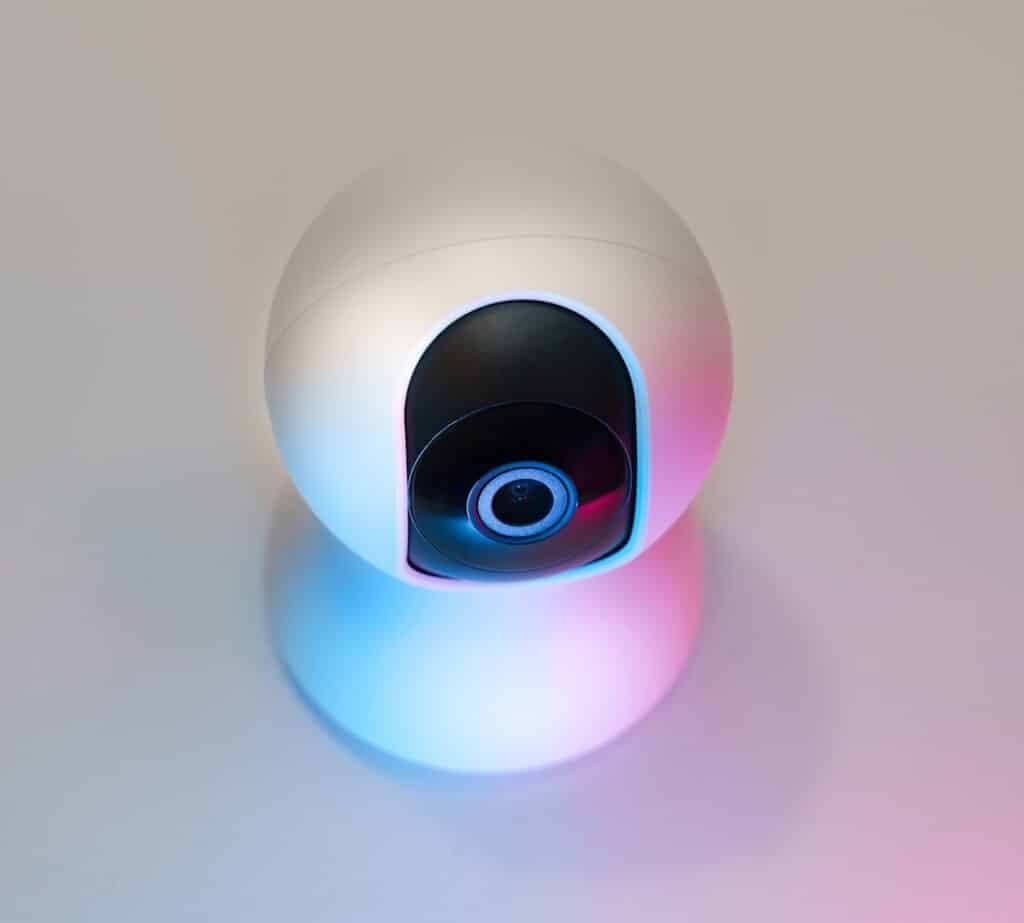
In an age where technology permeates every aspect of our lives, smart home security systems have emerged as a vital component of modern living. You may find yourself increasingly reliant on these systems to safeguard your home and loved ones. These advanced security solutions not only offer traditional features like alarms and cameras but also integrate seamlessly with your other smart devices, providing a comprehensive approach to home safety.
With the ability to monitor your property remotely, receive real-time alerts, and even control your system through voice commands, smart home security systems have revolutionized the way you protect your space. As you consider the implementation of a smart home security system, it’s essential to understand the various components that contribute to its effectiveness. From motion detectors and surveillance cameras to smart locks and environmental sensors, these systems are designed to work together to create a secure environment.
The convenience of managing your security from a smartphone app or through voice-activated devices adds an extra layer of appeal. However, as with any technology, understanding the longevity and maintenance of these systems is crucial for ensuring they continue to function optimally over time.
Key Takeaways
- Smart home security systems are becoming increasingly popular as they offer convenience and peace of mind to homeowners.
- Factors such as quality of components, installation, and maintenance can significantly affect the lifespan of smart home security systems.
- The average lifespan of smart home security systems is around 5-7 years, but this can vary depending on usage and maintenance.
- Signs that your smart home security system needs to be replaced include frequent malfunctions, outdated technology, and inability to integrate with newer devices.
- Regular maintenance, such as cleaning sensors and updating software, can help prolong the lifespan of smart home security systems.
Factors Affecting the Lifespan of Smart Home Security Systems
When it comes to the lifespan of your smart home security system, several factors come into play. One of the most significant influences is the quality of the components used in the system. High-quality cameras, sensors, and control panels are designed to withstand wear and tear better than their cheaper counterparts.
If you invest in reputable brands known for their durability and reliability, you can expect a longer lifespan for your system. Conversely, opting for budget options may lead to more frequent replacements and repairs, ultimately costing you more in the long run. Another critical factor is the environment in which your system operates.
If you live in an area prone to extreme weather conditions—such as heavy rain, snow, or intense heat—your smart home security devices may be subjected to additional stress. Outdoor cameras and sensors need to be weatherproofed to ensure they function correctly over time. Additionally, the placement of these devices can impact their longevity; for instance, positioning them in direct sunlight or near sources of moisture can lead to premature wear.
By considering these environmental factors, you can make informed decisions about the placement and selection of your smart home security components.
Average Lifespan of Smart Home Security Systems
The average lifespan of smart home security systems can vary widely based on several factors, including the type of system you choose and how well you maintain it. Generally speaking, most components of a smart home security system can last anywhere from five to ten years. For example, cameras and sensors typically have a lifespan of around five years, while control panels and smart locks may last longer if properly cared for.
However, it’s essential to remember that technological advancements occur rapidly; what is cutting-edge today may become outdated in just a few years. Moreover, software updates play a crucial role in determining how long your system remains effective. Many manufacturers release regular updates to enhance security features and improve functionality.
If you neglect these updates, your system may become vulnerable to cyber threats or fail to integrate with newer devices. Therefore, staying proactive about software maintenance can significantly extend the overall lifespan of your smart home security system.
Signs that Your Smart Home Security System Needs to be Replaced
As you monitor the performance of your smart home security system, there are several signs that may indicate it’s time for an upgrade or replacement. One of the most apparent signs is a decline in performance; if your cameras frequently fail to capture clear images or your sensors are no longer detecting motion effectively, it may be time to consider a new system. Additionally, if you notice that your system is becoming increasingly difficult to manage or requires frequent troubleshooting, this could signal that it’s reaching the end of its useful life.
Another critical indicator is the lack of support from the manufacturer. If your system is no longer receiving software updates or customer support, it may be vulnerable to security risks. As technology evolves, older systems may not be compatible with new devices or features that enhance security.
If you find yourself unable to integrate new technology into your existing setup, it might be time to invest in a more modern solution that meets your current needs.
Maintenance Tips to Prolong the Lifespan of Smart Home Security Systems
To ensure that your smart home security system remains effective for as long as possible, regular maintenance is essential. One of the simplest yet most effective maintenance tasks is routine cleaning. Dust and debris can accumulate on cameras and sensors, obstructing their functionality.
By regularly wiping down these devices with a soft cloth and ensuring that lenses are clear, you can help maintain optimal performance. Additionally, testing your system periodically is crucial for identifying any potential issues before they escalate. This includes checking that all sensors are functioning correctly, ensuring that cameras are capturing clear images, and verifying that alarms are operational.
By conducting these tests every few months, you can catch problems early and address them before they compromise your home’s security.
Upgrading Your Smart Home Security System
As technology continues to advance at a rapid pace, upgrading your smart home security system can provide numerous benefits. Newer models often come equipped with enhanced features such as improved video resolution, advanced motion detection capabilities, and better integration with other smart devices in your home. By upgrading, you not only enhance your security but also improve the overall functionality of your smart home ecosystem.
When considering an upgrade, it’s essential to evaluate your current needs and how they may have changed since you first installed your system. For instance, if you’ve added new entry points to your home or have experienced changes in your lifestyle—such as working from home—you may require additional cameras or sensors for comprehensive coverage. Taking the time to assess your specific requirements will help you choose an upgrade that truly enhances your home’s security.
Future of Smart Home Security Systems
The future of smart home security systems looks promising as technology continues to evolve. Innovations such as artificial intelligence (AI) and machine learning are set to revolutionize how these systems operate. For instance, AI-powered cameras can learn to differentiate between familiar faces and potential intruders, reducing false alarms and enhancing overall security.
Additionally, advancements in biometric technology may lead to more secure access methods, such as facial recognition or fingerprint scanning. Moreover, as more homeowners embrace smart technology, we can expect increased integration between various devices within the smart home ecosystem. This means that your security system will not only protect your home but also work in tandem with other devices—like smart lights and thermostats—to create a cohesive living environment that prioritizes safety and convenience.
As these technologies continue to develop, staying informed about emerging trends will help you make educated decisions about your home’s security.
Making the Most of Your Smart Home Security System
In conclusion, investing in a smart home security system is a proactive step toward safeguarding your property and loved ones. By understanding the factors that affect its lifespan and recognizing when it’s time for an upgrade or replacement, you can ensure that your system remains effective over time. Regular maintenance practices will also play a crucial role in prolonging its functionality.
As you navigate the world of smart home security systems, staying informed about technological advancements will empower you to make choices that enhance both safety and convenience in your daily life. By taking these steps, you can maximize the benefits of your investment and enjoy peace of mind knowing that your home is well-protected against potential threats.
If you are interested in learning more about home security system services, you may want to check out this article on trusted security service providers. This article discusses the importance of choosing reliable and reputable companies to secure your home and protect your loved ones. It provides valuable information on how to select the best security service provider for your specific needs and offers tips on ensuring the safety and security of your home.
FAQs
What is a smart home security system?
A smart home security system is a network of interconnected devices and sensors that work together to protect your home from intruders and other potential threats. These systems can include features such as cameras, motion detectors, door and window sensors, and smart locks, all of which can be controlled and monitored remotely through a smartphone or computer.
How long do smart home security systems typically last?
The lifespan of a smart home security system can vary depending on the quality of the components and how well they are maintained. On average, most smart home security systems can last anywhere from 5 to 10 years before needing to be replaced or upgraded.
What factors can affect the lifespan of a smart home security system?
Several factors can affect the lifespan of a smart home security system, including the quality of the components, how well the system is maintained, and how rapidly technology advances. Additionally, environmental factors such as extreme temperatures or exposure to moisture can also impact the longevity of the system.
How can I extend the lifespan of my smart home security system?
To extend the lifespan of your smart home security system, it’s important to regularly maintain and update the components. This includes keeping the devices clean and free of debris, replacing batteries as needed, and staying up to date with software and firmware updates. Additionally, investing in high-quality components and protecting them from environmental damage can also help prolong the lifespan of the system.
When should I consider replacing or upgrading my smart home security system?
You should consider replacing or upgrading your smart home security system if you start experiencing frequent malfunctions or if the components are reaching the end of their expected lifespan. Additionally, if you want to take advantage of new features or advancements in technology, upgrading your system may be beneficial. It’s also important to consider replacing your system if it no longer meets your security needs or if you’ve experienced a security breach.