In an age where safety and peace of mind are paramount, home security systems have become an essential aspect of modern living. You may find yourself increasingly aware of the need to protect your home and loved ones from potential threats. With the rise in crime rates and the growing prevalence of home invasions, investing in a reliable security system is not just a luxury; it’s a necessity.
The right home security system can provide you with the reassurance that your property is safeguarded, allowing you to focus on what truly matters in your life. As you explore the various options available, you will discover that home security systems have evolved significantly over the years. Gone are the days of simple alarm systems that merely beeped when triggered.
Today’s systems offer a comprehensive suite of features designed to deter intruders and alert you to any suspicious activity. Whether you live in a bustling urban environment or a quiet suburban neighborhood, understanding the fundamentals of home security systems can empower you to make informed decisions about your safety.
Key Takeaways
- Home security systems are designed to protect homes from intruders and provide peace of mind for homeowners.
- Basic components of a home security system include sensors, control panels, and alarms.
- Advanced features of home security systems may include video surveillance, smart locks, and environmental monitoring.
- Monitoring and alert systems can be professionally monitored by a security company or self-monitored through a smartphone app.
- Integration with smart home technology allows for remote control and automation of security features.
Basic Components of a Home Security System
At the core of any effective home security system are its basic components, which work together to create a protective barrier around your property. The most fundamental element is the alarm system itself, which typically includes sensors placed on doors and windows. These sensors detect unauthorized entry and trigger an alarm, alerting you and potentially scaring off intruders.
As you consider your options, think about how many entry points you have in your home and whether additional sensors might be necessary. Another critical component is the control panel, which serves as the command center for your security system. This device allows you to arm or disarm the system, monitor alerts, and manage settings.
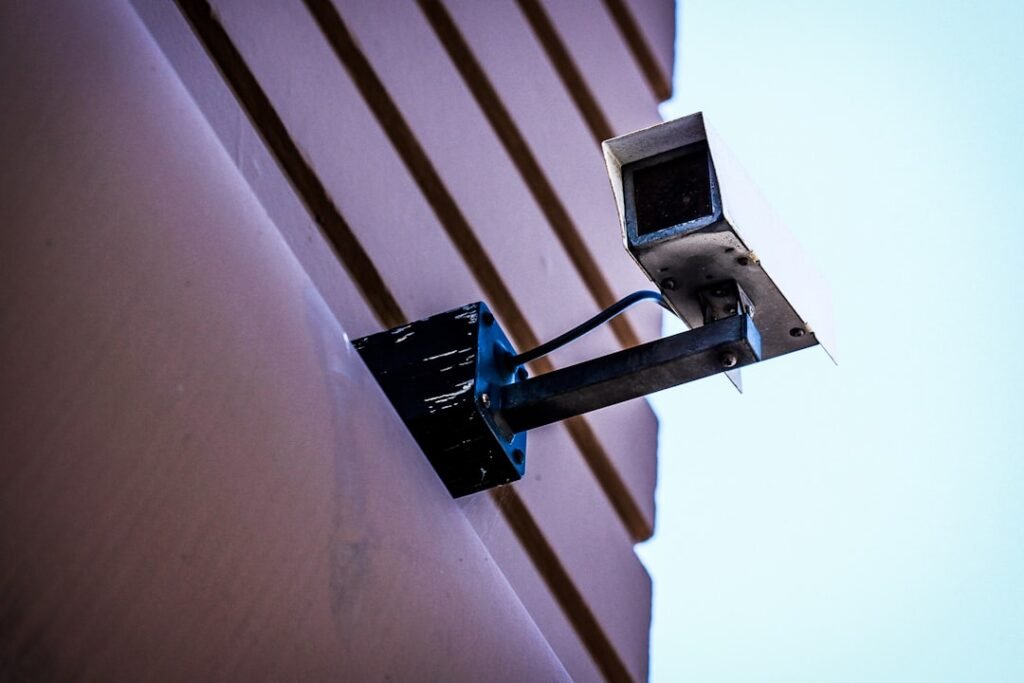
Many modern control panels come equipped with user-friendly interfaces and touchscreen capabilities, making it easy for you to navigate through various functions. Additionally, cameras play a vital role in home security. Surveillance cameras can be placed strategically around your property to monitor activity in real-time, providing you with visual evidence should an incident occur.
Advanced Features of Home Security Systems
As technology continues to advance, so too do the features available in home security systems. You may find yourself drawn to systems that offer advanced capabilities such as motion detection and facial recognition. Motion detectors can alert you to movement within designated areas, allowing you to respond quickly to potential threats.
Some systems even utilize artificial intelligence to differentiate between familiar faces and strangers, enhancing your ability to monitor who is coming and going from your property. Another exciting feature is remote access, which allows you to control your security system from anywhere using your smartphone or tablet. Imagine being able to check your security cameras while at work or receiving instant notifications if someone approaches your front door.
This level of connectivity not only enhances your peace of mind but also enables you to take immediate action if necessary. As you evaluate different systems, consider which advanced features align with your lifestyle and security needs.
Monitoring and Alert Systems
Monitoring services are a crucial aspect of home security systems, providing an added layer of protection that can be invaluable in emergencies. When you opt for a monitored system, trained professionals are available 24/7 to respond to alerts triggered by your security devices. This means that if an alarm goes off while you’re away from home, the monitoring center can quickly assess the situation and contact local authorities if needed.
This rapid response can be the difference between a minor incident and a major crisis. In addition to professional monitoring, many systems offer customizable alert options that keep you informed about activity around your home. You can receive notifications via text or email whenever a sensor is triggered or when unusual activity is detected by your cameras.
This real-time information empowers you to stay connected with your home environment, even when you’re miles away. As you consider different monitoring options, think about how often you travel or how much time you spend away from home, as this will influence your choice of monitoring services.
Integration with Smart Home Technology
The integration of home security systems with smart home technology has revolutionized how you interact with your living space. Many modern security systems can seamlessly connect with other smart devices in your home, such as smart locks, lights, and thermostats. This interconnectedness allows for greater automation and control over your environment.
For instance, you can program your lights to turn on automatically when your security system is armed, creating the illusion that someone is home even when you’re away. Moreover, voice-activated assistants like Amazon Alexa or Google Assistant can be integrated into your security system, enabling you to control various functions using simple voice commands. Imagine being able to lock your doors or check camera feeds just by speaking!
This level of convenience not only enhances your daily routine but also adds an extra layer of security by allowing you to manage your home effortlessly.
Additional Components for Enhanced Security
While basic components are essential for any home security system, there are several additional elements that can significantly enhance your overall protection. For instance, outdoor lighting can deter potential intruders by illuminating dark areas around your property. Motion-activated lights are particularly effective, as they can startle anyone attempting to approach your home unnoticed.
Another valuable addition is a smart doorbell camera, which allows you to see and communicate with visitors at your door without having to open it. This feature is especially useful for screening deliveries or unexpected guests. Additionally, consider incorporating window locks or reinforced doors for added physical security.
By combining these elements with your existing system, you create a comprehensive approach that addresses various vulnerabilities around your home.
When it comes to setting up a home security system, one of the key decisions you’ll face is whether to opt for professional installation or tackle it yourself. Professional installation offers the advantage of expertise; trained technicians can ensure that all components are installed correctly and functioning optimally. This option may provide peace of mind knowing that everything has been set up according to industry standards.
On the other hand, DIY installation has gained popularity due to its cost-effectiveness and flexibility. Many modern systems are designed for easy self-installation, allowing you to set up cameras and sensors at your own pace without the need for professional assistance. If you’re comfortable with technology and enjoy hands-on projects, this could be an appealing option for you.
However, keep in mind that improper installation can lead to gaps in coverage or malfunctioning devices, so weigh the pros and cons carefully before making a decision.
Considerations for Choosing the Right Home Security System
As you embark on the journey of selecting a home security system, several factors should guide your decision-making process. First and foremost, assess your specific needs based on the layout of your home and any unique vulnerabilities it may have. Consider how many entry points require monitoring and whether additional features like cameras or smart technology would enhance your security.
Budget is another critical consideration; while it’s tempting to opt for the most advanced system available, it’s essential to find a balance between features and affordability. Research various providers and compare their offerings to ensure you’re getting the best value for your investment. Additionally, read customer reviews and seek recommendations from friends or family who have experience with different systems.
By taking these factors into account, you’ll be well-equipped to choose a home security system that meets your needs and provides peace of mind for years to come. In conclusion, investing in a home security system is one of the most proactive steps you can take toward safeguarding your property and loved ones. By understanding the basic components, advanced features, monitoring options, and integration possibilities available today, you can make informed choices that align with your lifestyle and preferences.
Whether you opt for professional installation or choose a DIY approach, prioritizing security will ultimately lead to greater peace of mind in an ever-changing world.
If you are interested in learning more about home security systems, you may want to check out this article on steps to take after installing a home security system. This article provides valuable information on how to maximize the effectiveness of your security system and ensure that your home is well-protected. It offers practical tips and advice on how to make the most of your investment in home security.
FAQs
What is a home security system?
A home security system is a network of integrated electronic devices and sensors designed to detect and prevent unauthorized entry into a home.
What does a typical home security system include?
A typical home security system includes a control panel, door and window sensors, motion detectors, security cameras, a high-decibel alarm, and a monitoring service.
How do door and window sensors work in a home security system?
Door and window sensors consist of two parts: a magnet and a sensor. When the door or window is closed, the magnet and sensor are in close proximity. If the door or window is opened, the magnet moves away from the sensor, triggering an alarm.
What are motion detectors in a home security system?
Motion detectors are devices that use passive infrared technology to detect movement within a specific area. When motion is detected, the detector sends a signal to the control panel, which can then trigger an alarm.
What is the purpose of security cameras in a home security system?
Security cameras are used to monitor and record activity in and around the home. They can provide visual evidence of any security breaches and can act as a deterrent to potential intruders.
What is a monitoring service in a home security system?
A monitoring service is a third-party company that provides 24/7 monitoring of a home security system. If an alarm is triggered, the monitoring service will contact the homeowner and/or emergency services as needed.