


In an age where safety and security are paramount, security cameras have become an essential tool for both residential and commercial properties. You may find yourself considering the installation of a security camera system to protect your home, business, or even your personal belongings. These devices not only deter potential intruders but also provide peace of mind, allowing you to monitor your property from anywhere in the world.
As crime rates fluctuate and technology advances, understanding the role of security cameras in safeguarding your environment is more important than ever. The evolution of security cameras has transformed them from simple recording devices into sophisticated systems equipped with advanced features. You might be surprised to learn that modern security cameras can offer high-definition video, night vision capabilities, and even smart technology that integrates with your home automation systems.
As you delve deeper into the world of security cameras, you will discover a variety of options tailored to meet different needs and preferences, making it easier for you to find the perfect solution for your security concerns.
Key Takeaways
- Security cameras are essential for monitoring and protecting your home or business.
- Types of security cameras include dome, bullet, and PTZ cameras, each with unique features and benefits.
- When choosing a security camera, consider features such as resolution, field of view, and weather resistance.
- Outdoor security cameras are designed to withstand harsh weather conditions, while indoor cameras are more compact and discreet.
- Wireless security cameras offer flexibility and easy installation, while wired cameras provide a more stable connection.
Types of Security Cameras
When exploring the various types of security cameras available, you will encounter a wide range of options designed for different applications. One of the most common types is the dome camera, which is often used in commercial settings due to its discreet design and wide field of view. These cameras are typically mounted on ceilings and can be difficult for intruders to determine where they are pointing, making them an effective deterrent.
If you are looking for a camera that blends seamlessly into your environment, a dome camera might be an ideal choice. Another popular option is the bullet camera, which is easily recognizable due to its cylindrical shape. These cameras are often used for outdoor surveillance because they can be mounted on walls and provide a focused view of specific areas.
If you want to monitor a particular entrance or driveway, a bullet camera could be the right fit for your needs. Additionally, there are PTZ (pan-tilt-zoom) cameras that allow you to remotely control the camera’s movement and zoom in on specific areas of interest. This versatility can be particularly useful if you want to cover a large area with just one camera.
Features to Consider When Choosing a Security Camera
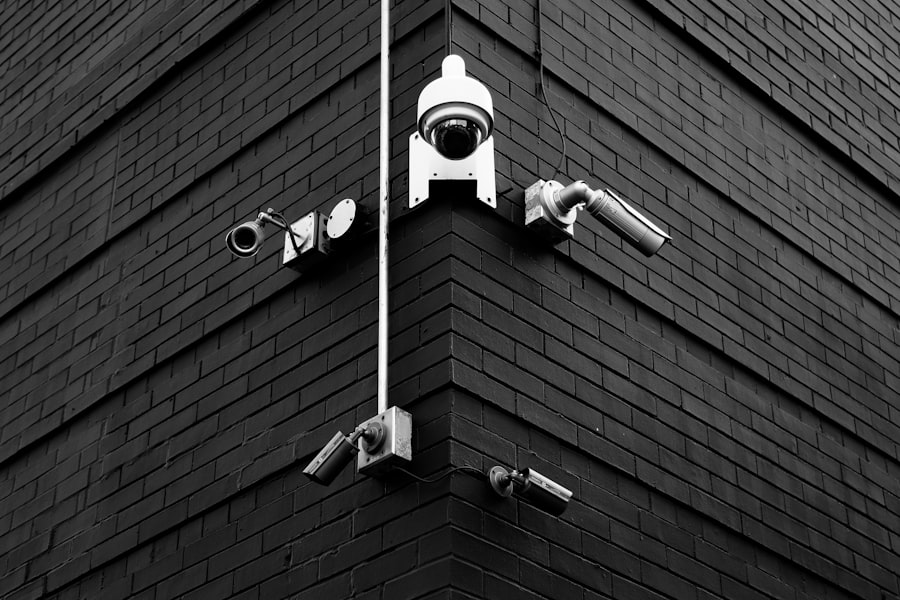
As you begin your search for the perfect security camera, there are several key features you should consider to ensure that you make an informed decision. One of the most important aspects is video resolution. Higher resolution cameras provide clearer images, which can be crucial when identifying faces or license plates.
You may want to look for cameras that offer at least 1080p resolution for optimal clarity. Additionally, consider whether you need a camera with a wide-angle lens, as this can help capture more of the scene in a single frame. Another feature worth considering is audio capability.
Some security cameras come equipped with built-in microphones that allow you to listen in on conversations or sounds in the vicinity of the camera. This can be particularly useful if you want to monitor interactions at your front door or in a business setting. Furthermore, think about whether you want a camera with two-way audio, which enables communication through the camera itself.
This feature can enhance your ability to interact with visitors or deter potential intruders.
When deciding on security cameras, it’s essential to differentiate between indoor and outdoor models, as each serves distinct purposes and comes with unique features. Indoor cameras are typically designed to monitor the interior of your home or business. They often have a more compact design and may include features like motion detection and two-way audio.
If you’re looking to keep an eye on your pets while you’re away or monitor activity in common areas, indoor cameras can provide valuable insights. On the other hand, outdoor security cameras are built to withstand various weather conditions and are often equipped with features like night vision and enhanced durability. These cameras are designed to capture footage in low-light situations and resist elements such as rain, snow, and extreme temperatures.
If you’re concerned about securing your property from external threats, investing in high-quality outdoor cameras is crucial. You may also want to consider models with motion-activated lights or sirens for added deterrence against potential intruders.
As you explore your options for security cameras, you’ll encounter two primary types: wireless and wired systems. Wireless cameras offer the advantage of easy installation and flexibility in placement since they don’t require extensive cabling. This can be particularly beneficial if you’re renting a property or want to avoid drilling holes in walls.
However, it’s important to ensure that your wireless cameras have a strong Wi-Fi connection to maintain consistent performance. Conversely, wired security cameras tend to provide more reliable connections and may offer better video quality due to their direct connection to a power source and recording device. While installation can be more complex and time-consuming, wired systems are often preferred for larger properties or commercial settings where consistent performance is critical.
As you weigh the pros and cons of each option, consider factors such as your budget, installation preferences, and the specific needs of your property.
Night Vision and Low-Light Performance
One of the most critical features to consider when selecting a security camera is its night vision capability. Many incidents occur after dark, making it essential for your camera system to perform well in low-light conditions. You may want to look for cameras equipped with infrared (IR) technology, which allows them to capture clear images even in complete darkness.
This feature can be invaluable for monitoring outdoor areas during nighttime hours. In addition to infrared night vision, some cameras also offer color night vision capabilities that utilize advanced sensors to produce colored images in low-light situations. This can enhance your ability to identify individuals or objects more accurately than traditional black-and-white night vision footage.
As you evaluate different models, consider how well they perform in various lighting conditions and whether they meet your specific security needs.
Motion Detection and Alerts
Motion detection is another vital feature that can significantly enhance the effectiveness of your security camera system. Cameras equipped with motion sensors can automatically start recording when they detect movement within their field of view. This not only conserves storage space but also ensures that you capture relevant footage when it matters most.
You may find it beneficial to choose a camera that allows you to customize motion detection zones so that you can focus on specific areas while ignoring less critical ones. In addition to recording capabilities, many modern security cameras offer real-time alerts that notify you when motion is detected. These alerts can be sent directly to your smartphone or email, allowing you to respond quickly if necessary.
Some systems even allow you to set up automated responses, such as triggering lights or alarms when motion is detected. As you consider different options, think about how these features can enhance your overall security strategy.
Remote Viewing and Monitoring
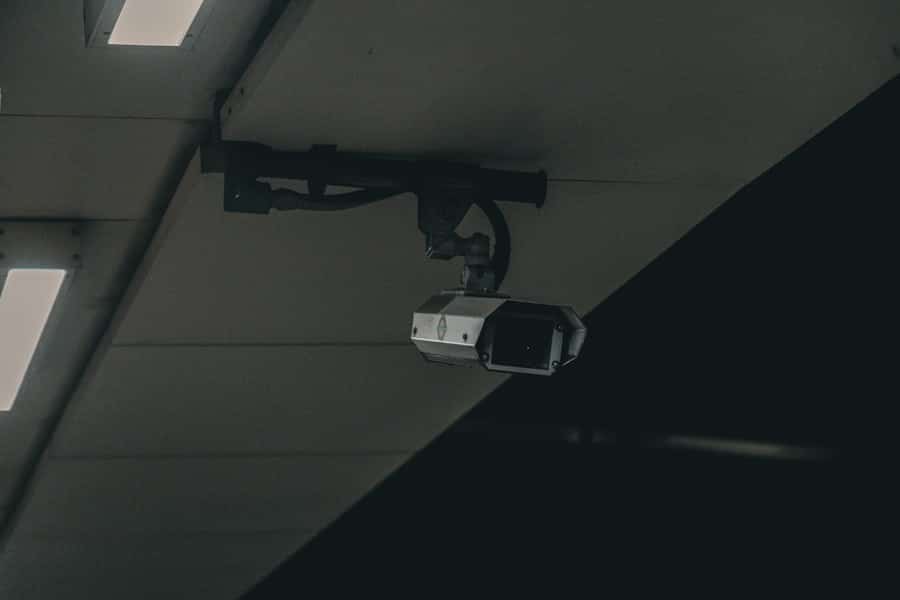
The ability to remotely view and monitor your security camera footage is an essential feature that many users find invaluable. With advancements in technology, most modern security cameras come equipped with mobile apps that allow you to access live feeds from anywhere with an internet connection. This means that whether you’re at work, on vacation, or simply running errands, you can keep an eye on your property in real-time.
Remote viewing capabilities also enable you to review recorded footage at your convenience. This can be particularly useful if you’re investigating an incident or simply want to check in on your home while you’re away. When selecting a security camera system, ensure that it offers user-friendly remote access options that suit your lifestyle and preferences.
Storage Options for Security Camera Footage
As you consider different security camera systems, it’s essential to evaluate the storage options available for recorded footage. There are generally two primary methods: local storage and cloud storage. Local storage involves saving footage on physical devices such as SD cards or Network Video Recorders (NVRs).
This option allows for quick access without relying on internet connectivity but may require regular maintenance and management. Cloud storage offers the advantage of remote access and automatic backups but often comes with subscription fees based on storage capacity and retention duration. Depending on your needs and budget, you may prefer one option over the other or even consider a hybrid approach that combines both local and cloud storage solutions.
As you weigh these options, think about how much footage you’ll need to store and how easily you want to access it.
Installation and Setup of Security Cameras
The installation process for security cameras can vary significantly depending on whether you’ve chosen wired or wireless models. Wireless cameras typically offer simpler installation procedures since they don’t require extensive cabling; however, you’ll still need to ensure proper placement for optimal coverage and connectivity. You may find it helpful to consult online resources or user manuals for guidance on setting up your specific model.
Wired installations can be more complex and may require professional assistance if you’re not comfortable with electrical work or drilling holes in walls. It’s crucial to plan out the placement of each camera carefully before installation to ensure comprehensive coverage of your property. Regardless of which type you choose, taking the time to properly install and configure your security camera system will pay off in enhanced safety and peace of mind.
Best Security Cameras on the Market
As you embark on your journey to find the best security camera for your needs, it’s essential to consider some top-rated options currently available on the market. Brands like Arlo, Ring, Nest, and Lorex have garnered positive reviews for their innovative features and reliable performance. For instance, Arlo’s Pro series offers high-definition video quality along with advanced motion detection capabilities and cloud storage options.
Ring’s video doorbell has gained popularity for its two-way audio feature and integration with smart home systems, making it an excellent choice for those looking to enhance their home security while maintaining convenience. Meanwhile, Nest’s indoor cameras provide exceptional video quality along with user-friendly mobile app access for remote monitoring. As you explore these options, take note of customer reviews and expert recommendations to help guide your decision-making process.
In conclusion, investing in a security camera system is a proactive step toward safeguarding your property and ensuring peace of mind. By understanding the various types of cameras available, their features, installation processes, and top-rated models on the market, you’ll be well-equipped to make an informed choice that meets your unique security needs.
In the realm of home security, choosing the right system can be a daunting task given the myriad of options available. A related article that might be of interest is the comprehensive guide on home security systems in Washington, D.C. This article provides valuable insights into the various services and features available in the area, helping homeowners make informed decisions about their security needs. For more detailed information, you can read the full article by visiting Home Security System Service in Washington, D.C.. This resource is particularly useful for those looking to enhance their home security with the latest technology and professional services.
FAQs
What are security cameras?
Security cameras are devices that are used to monitor and record activities in a specific area. They are commonly used for surveillance and security purposes in both residential and commercial settings.
What are the different types of security cameras?
There are several types of security cameras, including dome cameras, bullet cameras, PTZ (pan-tilt-zoom) cameras, and wireless cameras. Each type has its own unique features and benefits.
What are the key features to consider when choosing a security camera?
Key features to consider when choosing a security camera include resolution, field of view, night vision capabilities, motion detection, and remote viewing options. It’s also important to consider whether the camera is suitable for indoor or outdoor use.
What are the benefits of having security cameras?
Security cameras can provide a sense of security and peace of mind, deter criminal activity, and provide valuable evidence in the event of a security breach or crime. They can also be used to monitor and manage day-to-day activities in a specific area.
What are some popular security camera brands?
Some popular security camera brands include Arlo, Nest, Ring, Lorex, and Swann. Each brand offers a range of security camera options with different features and capabilities.
How can I install and set up a security camera system?
The installation and setup process for a security camera system will vary depending on the specific brand and model. However, most security cameras come with detailed instructions and support resources to help users with the installation and setup process. It’s also possible to hire a professional to install the system for you.


