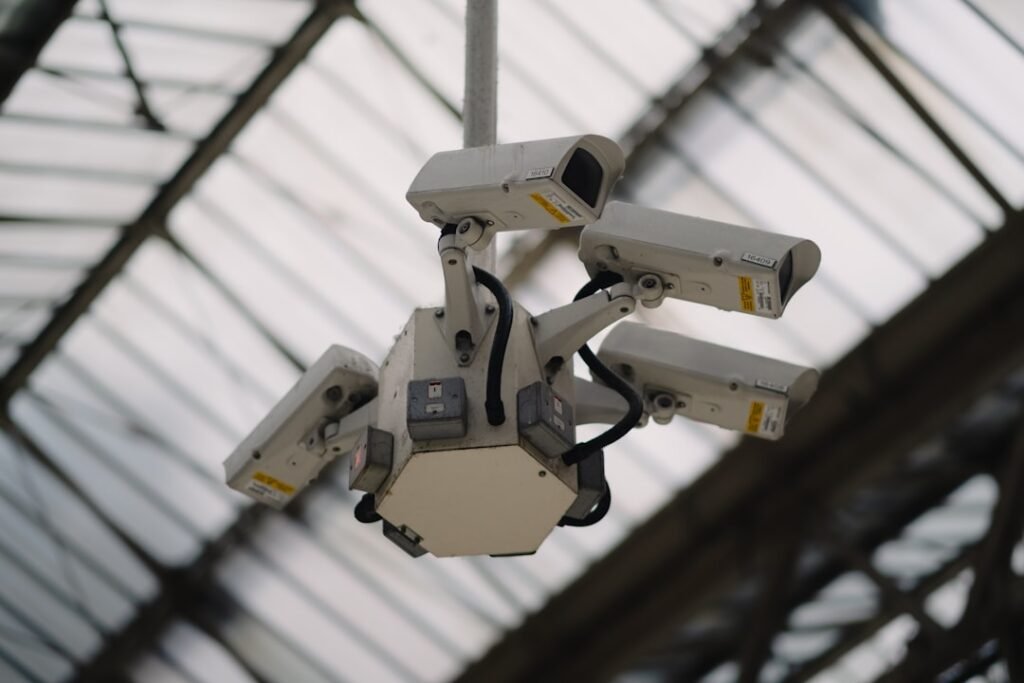
Installing security cameras at home offers a multitude of benefits that can significantly enhance your peace of mind. One of the most immediate advantages is the deterrent effect they have on potential intruders. When criminals see a property equipped with visible security cameras, they are less likely to target it, knowing that their actions are being recorded.
This proactive measure can help protect your home and belongings, making it a safer environment for you and your family. In addition to deterring crime, security cameras provide you with the ability to monitor your property in real-time. Whether you are at work, on vacation, or simply in another room, you can keep an eye on your home through live feeds accessible via your smartphone or computer.
This level of surveillance allows you to respond quickly to any suspicious activity, ensuring that you can take action before a situation escalates. Furthermore, having recorded footage can be invaluable in the event of a dispute or insurance claim, providing concrete evidence that can support your case.
Key Takeaways
- Installing security cameras at home provides peace of mind and a sense of security for homeowners.
- There are various types of security cameras available for home installation, including indoor, outdoor, wireless, and wired options.
- When choosing security cameras for home installation, factors to consider include the area to be covered, resolution, night vision capability, and weather resistance.
- Proper positioning and installation of security cameras at home is crucial for maximizing their effectiveness in monitoring and deterring potential threats.
- Integrating security cameras with a home security system enhances overall protection and allows for seamless monitoring and control.
Types of Security Cameras Available for Home Installation
When considering security cameras for your home, it’s essential to understand the various types available on the market. One popular option is the traditional wired camera, which offers reliable performance and high-quality video. These cameras are typically connected to a central recording device, ensuring that footage is stored securely.
However, installation can be more complex due to the need for wiring and power sources. On the other hand, wireless cameras have gained popularity due to their ease of installation and flexibility. These cameras connect to your home Wi-Fi network, allowing for remote access and monitoring without the hassle of cables.
Many wireless models also come equipped with features such as motion detection and night vision, making them versatile options for various home security needs. Additionally, there are specialized cameras designed for specific purposes, such as doorbell cameras that allow you to see and communicate with visitors at your front door.
Factors to Consider When Choosing Security Cameras for Home Installation

Selecting the right security cameras for your home involves careful consideration of several factors. First and foremost, think about the areas you want to monitor. High-traffic zones like entryways and driveways may require cameras with wide-angle lenses to capture a broader view, while more secluded areas might benefit from discreet models that blend into the surroundings.
Assessing your property layout will help you determine the number and type of cameras needed for comprehensive coverage. Another critical factor is the camera’s resolution and image quality. Higher resolution cameras provide clearer images, which can be crucial for identifying faces or license plates in recorded footage.
Additionally, consider features such as night vision capabilities and weather resistance if you plan to install cameras outdoors. These specifications will ensure that your security system remains effective in various conditions and times of day.
How to Properly Position and Install Security Cameras at Home
Proper positioning and installation of security cameras are vital for maximizing their effectiveness. Start by identifying key locations around your property where cameras can capture critical areas without obstructions. Common spots include entrances, driveways, backyards, and garages.
Ensure that cameras are mounted at an appropriate height—typically between 8 to 10 feet off the ground—to avoid tampering while still capturing clear images. Once you’ve determined the best locations, follow the manufacturer’s instructions for installation carefully. If you’re using wired cameras, ensure that cables are hidden or secured to prevent damage or tampering.
For wireless models, make sure they are within range of your Wi-Fi signal to maintain a stable connection. After installation, conduct thorough testing to confirm that each camera is functioning correctly and providing the desired coverage.
The Importance of Integrating Security Cameras with a Home Security System
Integrating security cameras with a comprehensive home security system enhances your overall protection strategy. When combined with alarms, motion sensors, and smart locks, security cameras create a cohesive network that can respond effectively to potential threats. For instance, if a motion sensor detects movement in your yard, it can trigger the cameras to start recording automatically, ensuring that you capture any suspicious activity.
Moreover, many modern home security systems offer centralized control through smartphone apps or web interfaces. This integration allows you to monitor all aspects of your security system from one platform, making it easier to manage alerts and notifications. By having a unified system in place, you can respond more efficiently to incidents and maintain a higher level of security for your home.
Common Mistakes to Avoid When Installing Security Cameras at Home
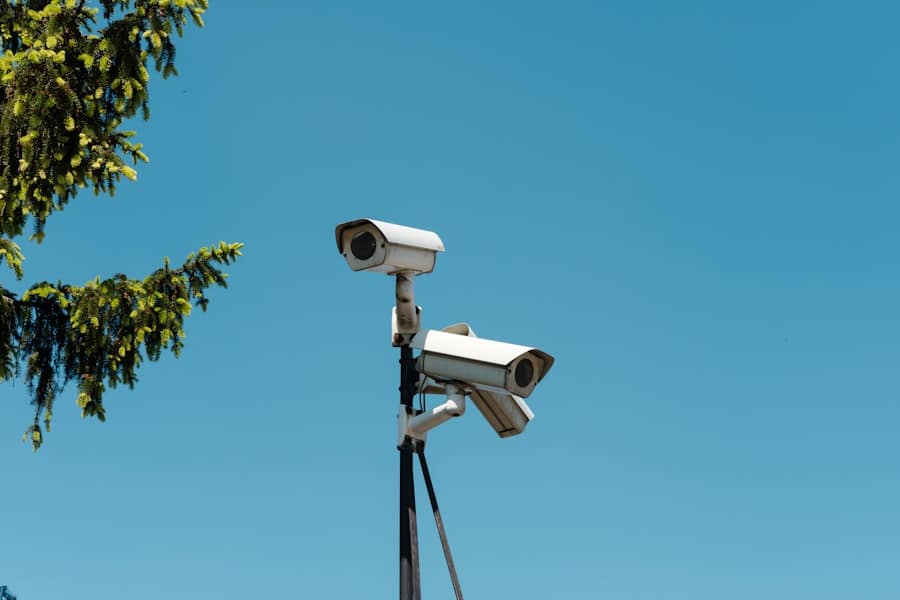
While installing security cameras may seem straightforward, there are several common mistakes that homeowners often make. One frequent error is failing to consider the camera’s field of view adequately. If cameras are positioned too close together or facing the wrong direction, you may end up with blind spots that leave parts of your property unmonitored.
Take the time to plan your camera placements carefully to ensure comprehensive coverage. Another mistake is neglecting to secure your camera feeds properly. Many homeowners overlook the importance of password protection and encryption for their camera systems.
Without these safeguards, unauthorized individuals could gain access to your footage or even manipulate your camera settings. Always use strong passwords and enable two-factor authentication when available to protect your privacy and security.
How to Maintain and Care for Security Cameras at Home
Maintaining your security cameras is essential for ensuring their longevity and effectiveness. Regularly check each camera for any signs of wear or damage, such as loose connections or dirt obstructing the lens. Cleaning the lenses periodically will help maintain clear image quality, especially for outdoor cameras exposed to the elements.
A simple solution of water and mild soap can be used for cleaning; just be sure to dry them thoroughly afterward. Additionally, keep an eye on software updates provided by the manufacturer. Many modern security cameras come with firmware updates that enhance functionality or address security vulnerabilities.
By staying current with these updates, you can ensure that your system operates smoothly and remains protected against potential threats.
Understanding the Legal and Ethical Considerations of Using Security Cameras at Home
Before installing security cameras at home, it’s crucial to understand the legal and ethical implications involved. Laws regarding surveillance vary by location; therefore, familiarize yourself with local regulations concerning video recording in residential areas. In many jurisdictions, it is legal to record video in public spaces but illegal to record audio without consent.
Being aware of these laws will help you avoid potential legal issues down the line. Ethically speaking, consider how your camera placements may affect the privacy of neighbors or visitors. While it’s important to protect your property, it’s equally important to respect others’ privacy rights.
Positioning cameras in a way that captures only your property can help mitigate concerns about invading others’ personal space.
The Role of Security Cameras in Preventing Home Invasions and Burglaries
Security cameras play a significant role in preventing home invasions and burglaries by acting as both a deterrent and a means of gathering evidence. Studies have shown that homes equipped with visible security systems are less likely to be targeted by criminals compared to those without any form of surveillance. The mere presence of cameras can make potential intruders think twice before attempting a break-in.
In addition to deterring crime, security cameras provide valuable evidence in case an incident does occur. Recorded footage can help law enforcement identify suspects and recover stolen property more effectively than relying solely on eyewitness accounts. This capability not only aids in solving crimes but also contributes to a sense of safety within your community as criminals are less likely to operate in areas where they know they are being watched.
How to Access and Monitor Security Camera Footage from Home
Accessing and monitoring security camera footage has become increasingly user-friendly thanks to advancements in technology. Most modern security camera systems offer mobile apps or web interfaces that allow you to view live feeds and recorded footage from anywhere with an internet connection. To get started, download the app associated with your camera system and follow the setup instructions provided by the manufacturer.
Once set up, you can easily navigate through different camera views and access recorded footage based on specific time frames or events triggered by motion detection. Many systems also allow you to receive alerts directly on your phone when motion is detected or when specific events occur, ensuring that you stay informed about any activity around your home.
Tips for Upgrading and Expanding Your Home Security Camera System
As technology continues to evolve, upgrading and expanding your home security camera system can enhance its effectiveness significantly. One tip is to consider adding smart features such as facial recognition or artificial intelligence capabilities that can differentiate between familiar faces and strangers. These advanced features can help reduce false alarms while providing more accurate monitoring.
Additionally, think about integrating other smart home devices into your security system for a more comprehensive approach. For example, connecting smart lights or door locks can create a seamless experience where all components work together to enhance your home’s safety. As you expand your system, ensure compatibility between devices and consider consulting with professionals if you’re unsure about installation or integration processes.
In conclusion, installing security cameras at home is an investment in safety that offers numerous benefits ranging from crime deterrence to real-time monitoring capabilities. By understanding the types available, considering essential factors during selection, positioning them correctly, integrating them into a broader security system, avoiding common pitfalls during installation, maintaining them properly, being aware of legal considerations, recognizing their role in crime prevention, accessing footage conveniently, and planning for future upgrades—you’re well on your way to creating a secure environment for yourself and your loved ones.
When considering the installation of security cameras for your home, it’s essential to explore various options and services available in your area. For those residing in Jackson, Mississippi, there are tailored solutions that can enhance your home security setup. An insightful article that delves into the specifics of home security systems in this region can be found here. This resource provides valuable information on the types of systems available, installation tips, and how to choose the best service provider to meet your security needs.
FAQs
What are security cameras for home installation?
Security cameras for home installation are devices that are used to monitor and record activities in and around a home. They are designed to enhance the security of a home by providing surveillance and recording capabilities.
How do security cameras for home installation work?
Security cameras for home installation work by capturing video footage of the area they are monitoring. This footage can be viewed in real-time or recorded for later viewing. Some cameras also have motion detection capabilities, which can trigger recording when movement is detected.
What are the benefits of installing security cameras in a home?
The benefits of installing security cameras in a home include deterring potential intruders, providing evidence in the event of a break-in or other security incident, and allowing homeowners to monitor their property remotely.
What are the different types of security cameras for home installation?
There are several types of security cameras for home installation, including indoor cameras, outdoor cameras, wired cameras, wireless cameras, and smart cameras that can be connected to a home automation system.
What should I consider when choosing security cameras for home installation?
When choosing security cameras for home installation, it is important to consider factors such as the area to be monitored, the level of security needed, the camera’s resolution and field of view, and whether the camera needs to be weatherproof for outdoor use.
Are security cameras for home installation easy to install?
Many security cameras for home installation are designed to be easy to install, with options for both DIY installation and professional installation. The ease of installation will depend on the specific camera and the homeowner’s level of technical expertise.