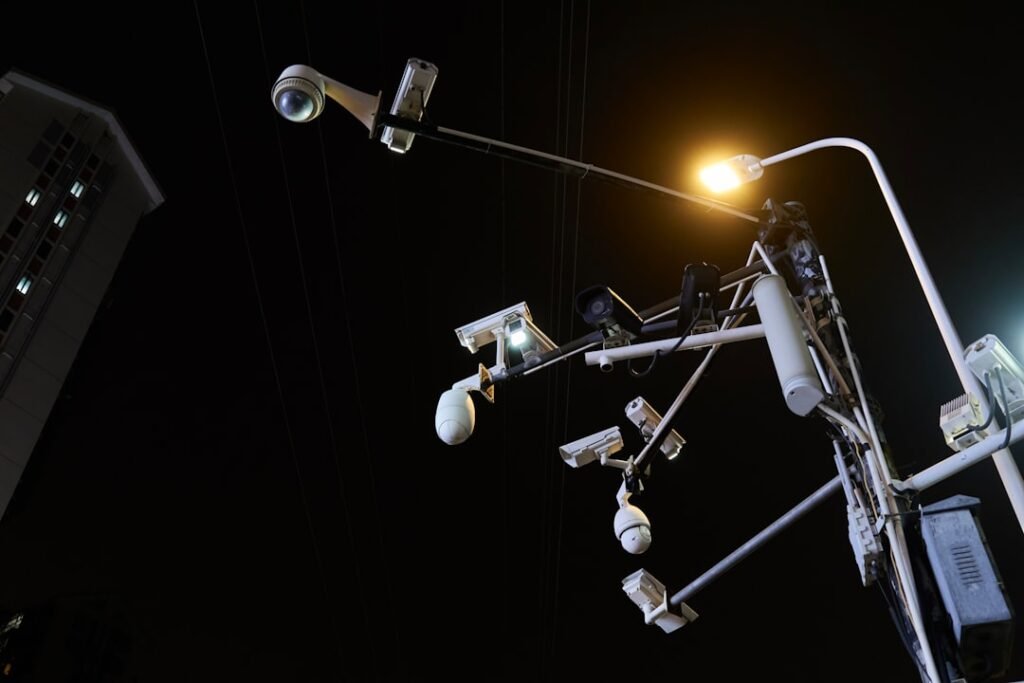
Surveillance cameras have a rich history that dates back to the mid-20th century. The first known use of a video camera for surveillance purposes occurred in 1942 when German engineer Walter Bruch developed a system to monitor V-2 rocket launches. This early innovation laid the groundwork for what would become a widespread tool for security and monitoring.
As technology advanced, the 1960s saw the introduction of closed-circuit television (CCTV), which allowed for real-time monitoring of specific areas. This marked a significant shift in how security was approached, moving from physical presence to technological oversight. By the 1980s, surveillance cameras became more accessible to businesses and homeowners alike.
The introduction of video tape recorders allowed for the recording and playback of footage, making it easier to review incidents after they occurred. As the years progressed, the technology continued to evolve, with the advent of digital cameras in the late 1990s and early 2000s. These advancements not only improved image quality but also made it possible to store vast amounts of footage digitally, further enhancing the utility of surveillance systems.
Today, you can find surveillance cameras in various settings, from bustling urban centers to quiet residential neighborhoods, reflecting their integral role in modern security.
Key Takeaways
- Surveillance cameras have a long history, dating back to the 1940s when they were first used for monitoring rocket launches.
- The benefits of surveillance cameras include crime prevention, increased safety, and the ability to gather evidence for investigations.
- Drawbacks of surveillance cameras include privacy concerns, potential misuse, and the risk of creating a surveillance state.
- Surveillance cameras work by capturing and recording video footage, which can then be monitored in real-time or reviewed later.
- There are different types of surveillance cameras, including dome cameras, bullet cameras, and PTZ (pan-tilt-zoom) cameras, each with unique features and applications.
The Benefits of Surveillance Cameras
One of the most significant benefits of surveillance cameras is their ability to deter crime. When potential wrongdoers see a camera, they are often discouraged from committing illegal acts due to the fear of being caught on tape. This deterrent effect can lead to a noticeable decrease in criminal activity in areas where cameras are installed.
You may find that neighborhoods with visible surveillance systems report lower crime rates, as the presence of cameras creates an environment where unlawful behavior is less likely to occur. In addition to deterring crime, surveillance cameras provide valuable evidence in the event of an incident. Whether it’s a theft, vandalism, or an altercation, having video footage can be crucial for law enforcement and insurance claims.
You can imagine how much easier it is for authorities to investigate a crime when they have clear visual evidence to work with. Furthermore, many businesses utilize surveillance footage to monitor employee behavior and ensure compliance with company policies, which can lead to improved workplace safety and productivity.
The Drawbacks of Surveillance Cameras
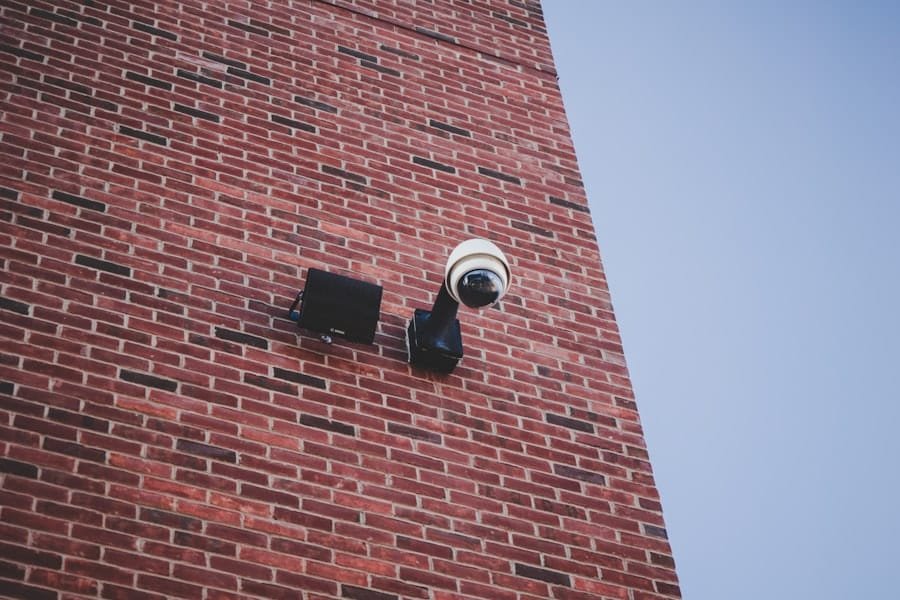
Despite their many advantages, surveillance cameras also come with several drawbacks that warrant consideration. One major concern is the potential for misuse or abuse of the footage captured by these devices. In some cases, individuals may use surveillance footage for malicious purposes, such as stalking or harassment.
This misuse can lead to significant emotional distress for victims and raise questions about the ethical implications of surveillance technology. Another drawback is the cost associated with installing and maintaining surveillance systems. While prices have decreased over the years, setting up a comprehensive surveillance network can still be a significant financial investment for both businesses and homeowners.
You may find that ongoing maintenance and storage costs add up over time, especially if you opt for high-definition cameras that require more storage space. Additionally, there is always the risk of technical failures or malfunctions that could render your system ineffective when you need it most.
How Surveillance Cameras Work
Surveillance cameras operate through a combination of hardware and software designed to capture and transmit video footage. At their core, these devices consist of a lens that focuses light onto a sensor, which converts the light into an electronic signal. This signal is then processed and transmitted either to a recording device or directly to a monitor for real-time viewing.
Depending on the type of camera you choose, this process can vary slightly, but the fundamental principles remain consistent across different models. Modern surveillance cameras often come equipped with advanced features such as motion detection, night vision, and remote access capabilities. Motion detection allows cameras to start recording only when movement is detected, conserving storage space and making it easier for you to review relevant footage later.
Night vision technology enables cameras to capture clear images in low-light conditions, ensuring that you have reliable monitoring around the clock. With remote access capabilities, you can view live feeds from your cameras on your smartphone or computer, providing peace of mind whether you’re at home or away.
The Different Types of Surveillance Cameras
When it comes to surveillance cameras, there are several types available, each designed for specific applications and environments. One common type is the dome camera, which is often used in retail settings due to its discreet design and wide field of view. These cameras are typically mounted on ceilings and can be adjusted to capture various angles without drawing too much attention.
Another popular option is the bullet camera, characterized by its cylindrical shape and long-range capabilities. Bullet cameras are ideal for outdoor use as they can be easily mounted on walls and are often weatherproofed for durability against the elements. You might also encounter PTZ (pan-tilt-zoom) cameras that allow users to remotely control the camera’s movement and zoom in on specific areas of interest.
Each type has its unique advantages, so understanding your specific needs will help you choose the right camera for your situation.
The Legal and Ethical Implications of Surveillance Cameras
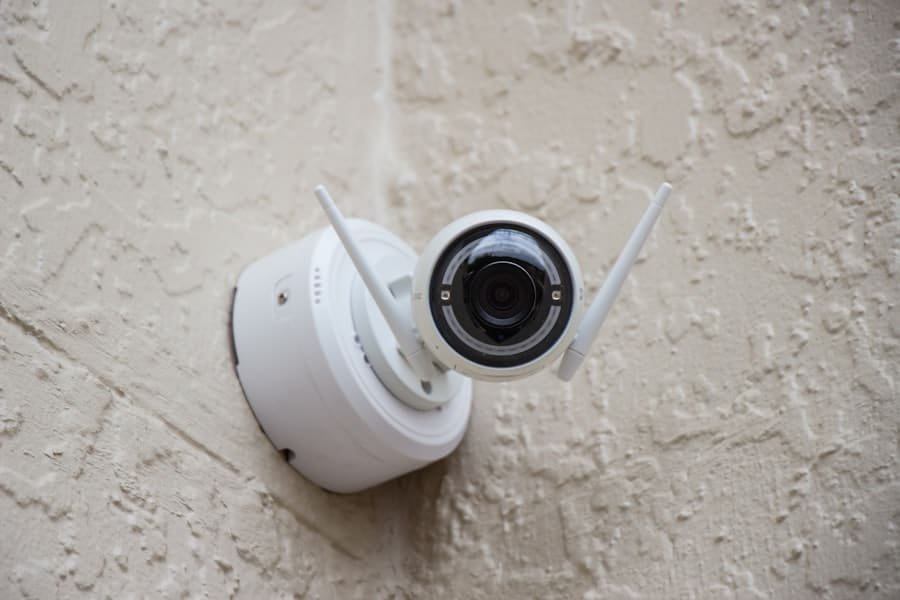
The use of surveillance cameras raises important legal and ethical questions that must be addressed by individuals and organizations alike. One primary concern is privacy; as surveillance technology becomes more pervasive, individuals may feel that their personal space is being invaded. Laws regarding surveillance vary by jurisdiction, but many places require that individuals be informed when they are being recorded in public or private spaces.
You should familiarize yourself with local regulations to ensure compliance and respect for others’ privacy rights. Ethically speaking, there is an ongoing debate about the balance between security and privacy. While surveillance cameras can enhance safety and deter crime, they also create an environment where individuals may feel constantly monitored.
This sense of being watched can lead to anxiety and discomfort among community members. As you consider installing surveillance systems, it’s essential to weigh these ethical implications carefully and strive for transparency in your practices.
The Role of Surveillance Cameras in Crime Prevention
Surveillance cameras play a crucial role in crime prevention strategies across various sectors. Their mere presence can act as a powerful deterrent against criminal activity, as potential offenders are less likely to engage in illegal behavior when they know they are being watched. In urban areas where crime rates may be higher, strategically placed cameras can significantly reduce incidents such as theft or vandalism.
Moreover, law enforcement agencies increasingly rely on surveillance footage to investigate crimes and identify suspects. When crimes occur in areas equipped with cameras, investigators can analyze the footage to gather evidence and track down perpetrators more efficiently. You may find that communities with robust surveillance systems experience not only lower crime rates but also quicker resolutions to criminal cases due to the availability of visual evidence.
The Impact of Surveillance Cameras on Privacy
While surveillance cameras offer numerous benefits in terms of security and crime prevention, they also raise significant concerns regarding privacy rights. The constant monitoring associated with these devices can create an atmosphere where individuals feel their every move is being scrutinized. This feeling can lead to a decline in personal freedom and autonomy as people become more cautious about their behavior in public spaces.
Additionally, there is a growing concern about data security related to surveillance footage. With advancements in technology come increased risks of hacking or unauthorized access to recorded material. You may worry about who has access to this footage and how it might be used or misused in the future.
As society grapples with these issues, it becomes increasingly important to establish clear guidelines and regulations governing the use of surveillance technology while respecting individual privacy rights.
The Future of Surveillance Camera Technology
The future of surveillance camera technology looks promising as innovations continue to emerge at a rapid pace. One significant trend is the integration of artificial intelligence (AI) into surveillance systems. AI-powered cameras can analyze video feeds in real-time, identifying unusual behavior or potential threats without human intervention.
This capability not only enhances security but also reduces the burden on security personnel who would otherwise need to monitor multiple feeds simultaneously. Another exciting development is the rise of smart surveillance systems that connect seamlessly with other smart devices within homes or businesses. These systems allow for greater control and customization, enabling users like you to set specific alerts or notifications based on your preferences.
As technology continues to advance, you can expect even more sophisticated features that enhance both security and user experience while addressing privacy concerns through improved data protection measures.
How to Properly Install and Maintain Surveillance Cameras
Proper installation and maintenance are crucial for ensuring that your surveillance cameras function effectively over time. When installing cameras, consider factors such as placement, angle, and lighting conditions to maximize coverage and image quality. You should also ensure that cables are securely fastened and protected from environmental elements if you’re using wired systems.
Regular maintenance is equally important; this includes cleaning camera lenses to prevent obstructions that could affect image clarity and checking connections for any signs of wear or damage. You may also want to periodically review recorded footage to ensure that your system is capturing what it needs to without any technical issues. By taking these steps, you can ensure that your investment in surveillance technology continues to provide reliable security for years to come.
The Use of Surveillance Cameras in Different Industries
Surveillance cameras have found applications across various industries, each benefiting from enhanced security measures tailored to their specific needs. In retail environments, for instance, businesses utilize cameras not only for loss prevention but also for monitoring customer behavior and improving store layouts based on traffic patterns observed through video analysis. In healthcare settings, surveillance cameras play a vital role in ensuring patient safety and monitoring staff compliance with protocols.
Hospitals often install cameras in critical areas such as emergency rooms or medication storage rooms to prevent theft or misuse while maintaining patient confidentiality through careful placement strategies. As you explore different industries’ uses of surveillance technology, it becomes clear that these systems serve diverse purposes while contributing significantly to overall safety and security efforts across sectors.
When considering the implementation of surveillance cameras in your home, it’s essential to choose the right system that fits your specific needs. An insightful article that can guide you through this process is Choosing the Right Home Security Camera System for Your Needs. This resource provides valuable information on the various types of security cameras available, their features, and how to select the best one to ensure the safety and security of your home. By understanding the options and considerations outlined in this article, you can make an informed decision that enhances your home’s security infrastructure.
FAQs
What are surveillance cameras?
Surveillance cameras are video cameras used for the purpose of observing an area. They are commonly used for security and monitoring purposes in public and private spaces.
How do surveillance cameras work?
Surveillance cameras capture video footage of an area and transmit it to a recording device or monitor. Some cameras are equipped with motion sensors and can be set to record only when motion is detected.
Where are surveillance cameras commonly used?
Surveillance cameras are commonly used in public spaces such as airports, train stations, and shopping centers, as well as in private spaces such as homes, businesses, and industrial facilities.
What are the benefits of surveillance cameras?
Surveillance cameras can deter crime, provide evidence in criminal investigations, monitor activities in public spaces, and enhance overall security and safety.
What are the concerns about surveillance cameras?
Some concerns about surveillance cameras include invasion of privacy, potential misuse of footage, and the risk of surveillance cameras being hacked or tampered with.
Are surveillance cameras legal?
The legality of surveillance cameras varies by location and jurisdiction. In many places, there are laws and regulations governing the use of surveillance cameras, particularly in regards to privacy and data protection.