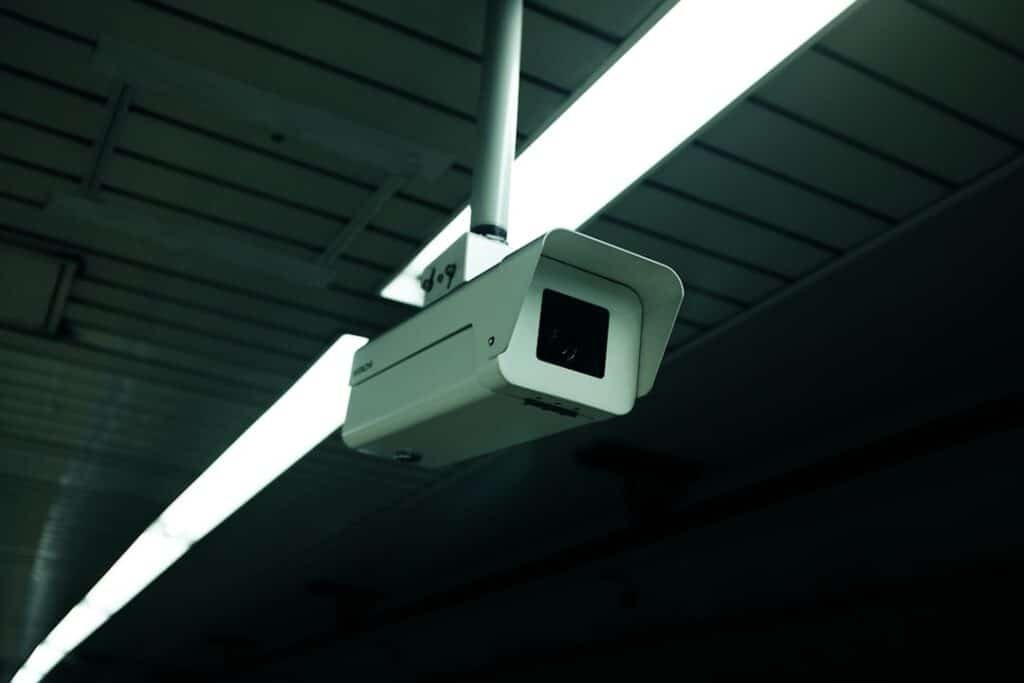
In an age where connectivity is often taken for granted, the concept of surveillance cameras without WiFi may seem counterintuitive. However, these devices are gaining traction among homeowners and businesses alike, offering a reliable alternative to traditional WiFi-enabled cameras. You might find yourself wondering why someone would choose a camera that doesn’t rely on internet connectivity.
The answer lies in the unique advantages these cameras provide, particularly in terms of security and reliability. Surveillance cameras without WiFi operate independently of your home network, which can be a significant advantage in various scenarios. For instance, if you live in an area prone to power outages or have concerns about hacking and data breaches, these cameras can offer peace of mind.
By understanding the features and benefits of these devices, you can make an informed decision about whether they are the right fit for your security needs.
Key Takeaways
- Surveillance cameras without wifi provide security and monitoring capabilities without the need for an internet connection.
- Benefits of surveillance cameras without wifi include increased security, no reliance on internet connectivity, and reduced risk of hacking.
- These cameras typically work by recording footage onto a local storage device, such as a memory card or hard drive, and can be accessed directly from the device.
- Important features to look for in surveillance cameras without wifi include high resolution, night vision, motion detection, and weatherproofing for outdoor use.
- The installation process for surveillance cameras without wifi involves mounting the camera in the desired location and connecting it to a power source and storage device.
- The best locations to install surveillance cameras without wifi include entry points, outdoor areas, and high-value asset storage areas.
- Maintenance and care for surveillance cameras without wifi involve regular cleaning, checking for any physical damage, and ensuring the storage device has enough space for recording.
- When comparing surveillance cameras without wifi vs. wifi cameras, consider factors such as reliability, security, and the need for internet access.
- Privacy concerns and legalities of surveillance cameras without wifi should be addressed by understanding local laws and regulations regarding surveillance and privacy.
- Cost considerations for surveillance cameras without wifi include the initial purchase price, ongoing maintenance, and any additional accessories or storage devices needed.
- In conclusion, surveillance cameras without wifi offer a reliable and secure option for monitoring and security, with recommendations to carefully consider the specific needs and legal requirements before purchasing and installing these cameras.
Benefits of Surveillance Cameras Without Wifi
One of the most compelling benefits of surveillance cameras without WiFi is their enhanced security. Since these cameras do not connect to the internet, they are less vulnerable to hacking attempts. You can rest assured that your footage is stored locally, reducing the risk of unauthorized access.
This feature is particularly appealing if you are concerned about privacy and want to keep your surveillance data secure from potential cyber threats. Another advantage is their reliability in various environments. Unlike WiFi cameras that depend on a stable internet connection, non-WiFi cameras can function effectively even in remote areas or during internet outages.
This makes them ideal for outdoor settings or locations where connectivity may be unreliable. You can install these cameras in places where you might not have access to WiFi, ensuring that your property remains monitored at all times.
How Surveillance Cameras Without Wifi Work
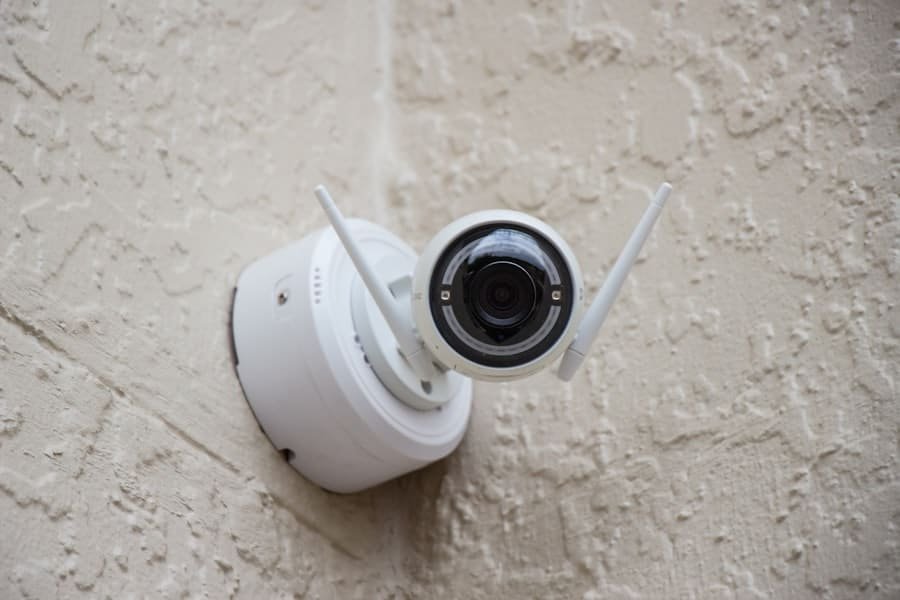
Surveillance cameras without WiFi typically operate using a wired connection or local storage options. These cameras often connect directly to a digital video recorder (DVR) or network video recorder (NVR), which captures and stores the footage. This setup allows you to view live feeds and recorded videos without relying on an internet connection.
You can access the footage directly from the DVR or NVR, providing a straightforward solution for monitoring your property. In addition to wired connections, some non-WiFi cameras utilize SD cards for local storage. This means that the camera records footage directly onto the card, which you can later retrieve for review.
This method is particularly useful for those who prefer a simple setup without the complexities of networking. You can easily remove the SD card and transfer the footage to your computer for further analysis or archiving.
Features to Look for in Surveillance Cameras Without Wifi
When selecting a surveillance camera without WiFi, there are several key features you should consider to ensure it meets your needs. First and foremost, look for high-resolution video quality. A camera that offers at least 1080p resolution will provide clear images, making it easier to identify faces or license plates in recorded footage.
Additionally, consider cameras with night vision capabilities, as this feature allows for effective monitoring even in low-light conditions. Another important feature is motion detection. Cameras equipped with this technology can alert you when movement is detected, allowing you to respond quickly to potential security threats.
Some models even offer customizable motion zones, enabling you to focus on specific areas of interest while ignoring others. Furthermore, check for weatherproof ratings if you plan to install the camera outdoors; this ensures that it can withstand various environmental conditions.
Installation Process for Surveillance Cameras Without Wifi
Installing surveillance cameras without WiFi may seem daunting at first, but with the right approach, it can be a straightforward process. Begin by selecting the ideal locations for your cameras based on your security needs. Once you have determined where to place them, gather the necessary tools and materials, including mounting brackets, screws, and cables.
The installation process typically involves mounting the camera securely to a wall or ceiling and connecting it to a DVR or NVR using coaxial or Ethernet cables. If you are using a camera with an SD card, ensure that it is properly inserted before powering on the device. After installation, take the time to test each camera’s functionality and adjust its angle as needed for optimal coverage.
Best Locations to Install Surveillance Cameras Without Wifi

Choosing the right locations for your surveillance cameras is crucial for maximizing their effectiveness. Start by identifying entry points such as doors and windows, as these are common areas where intruders may attempt to gain access. Installing cameras at these locations can deter potential break-ins and provide valuable footage in case of an incident.
In addition to entry points, consider placing cameras in high-traffic areas around your property, such as driveways or garages. These locations not only capture activity but also serve as a visual deterrent against theft or vandalism. If you have outdoor spaces like backyards or patios, installing weatherproof cameras in these areas can help monitor any suspicious activity while providing peace of mind.
Maintenance and Care for Surveillance Cameras Without Wifi
To ensure that your surveillance cameras without WiFi continue to function optimally, regular maintenance is essential. Start by cleaning the camera lenses periodically to remove dust or debris that may obstruct the view. Use a soft cloth and a gentle cleaning solution to avoid scratching the lens surface.
Additionally, check the connections and cables regularly for any signs of wear or damage. If you notice any issues, address them promptly to prevent disruptions in functionality. For outdoor cameras, inspect them after severe weather events to ensure they remain securely mounted and free from obstructions.
When weighing your options between surveillance cameras without WiFi and their WiFi counterparts, several factors come into play. One significant difference is connectivity; while WiFi cameras rely on an internet connection for functionality, non-WiFi cameras operate independently. This independence can be advantageous in areas with unreliable internet service or during power outages.
On the other hand, WiFi cameras often offer more advanced features such as remote access via smartphone apps and cloud storage options. This convenience allows you to monitor your property from anywhere with an internet connection. However, this added functionality comes with potential risks related to cybersecurity and privacy concerns that non-WiFi cameras mitigate by storing data locally.
Privacy Concerns and Legalities of Surveillance Cameras Without Wifi
As you consider installing surveillance cameras without WiFi, it’s essential to be aware of privacy concerns and legalities surrounding their use. Depending on your location, there may be specific laws governing video surveillance in residential or commercial settings. Familiarize yourself with these regulations to ensure compliance and avoid potential legal issues.
Moreover, consider the ethical implications of monitoring public spaces or neighbors’ properties without their consent. While it’s important to protect your own property, being mindful of others’ privacy rights is equally crucial. Clear signage indicating that surveillance is in use can help inform visitors and neighbors about your monitoring practices.
Cost Considerations for Surveillance Cameras Without Wifi
When budgeting for surveillance cameras without WiFi, it’s important to consider both initial costs and ongoing expenses. The price of non-WiFi cameras can vary significantly based on features such as resolution, storage capacity, and additional functionalities like night vision or motion detection. Researching different brands and models will help you find a camera that fits your budget while meeting your security needs.
In addition to the purchase price, factor in any installation costs if you choose to hire a professional service. While DIY installation can save money, ensure that you have the necessary skills and tools to complete the job effectively. Lastly, consider any maintenance costs associated with keeping your surveillance system in good working order over time.
Conclusion and Recommendations for Surveillance Cameras Without Wifi
In conclusion, surveillance cameras without WiFi offer a reliable and secure option for monitoring your property without the vulnerabilities associated with internet connectivity. Their benefits include enhanced security, reliability in various environments, and ease of installation. By understanding how these cameras work and what features to look for, you can make an informed decision that aligns with your specific needs.
As you explore your options, consider factors such as installation locations, maintenance requirements, and legal considerations related to privacy. Ultimately, investing in surveillance cameras without WiFi can provide peace of mind knowing that your property is being monitored effectively while minimizing risks associated with cyber threats. Whether for residential or commercial use, these cameras can be a valuable addition to your security strategy.
When considering surveillance cameras without WiFi, it’s essential to explore comprehensive home security solutions that can complement such systems. For homeowners looking to enhance their security setup, the article on the Top 10 Home Security Systems Every Homeowner Should Consider provides valuable insights into various security options. This resource highlights a range of systems that can work alongside non-WiFi cameras to create a robust security network, ensuring peace of mind for homeowners.
FAQs
What are surveillance cameras without wifi?
Surveillance cameras without wifi are security cameras that do not require a wifi connection to function. They are typically wired cameras that are connected to a recording device or monitor via cables.
How do surveillance cameras without wifi work?
Surveillance cameras without wifi work by capturing video footage and transmitting it through cables to a recording device or monitor. They do not rely on a wifi connection for data transmission.
What are the advantages of surveillance cameras without wifi?
Some advantages of surveillance cameras without wifi include a more secure and reliable connection, as they are not susceptible to wifi signal interference or hacking. They also do not require a strong wifi signal for operation.
What are the limitations of surveillance cameras without wifi?
Limitations of surveillance cameras without wifi include the need for physical cables for installation, which may limit placement options. They also do not offer remote access to live footage without additional equipment.
Where are surveillance cameras without wifi commonly used?
Surveillance cameras without wifi are commonly used in areas where a reliable and secure video surveillance system is needed, such as in industrial facilities, retail stores, and outdoor locations where wifi signals may be weak or unreliable.