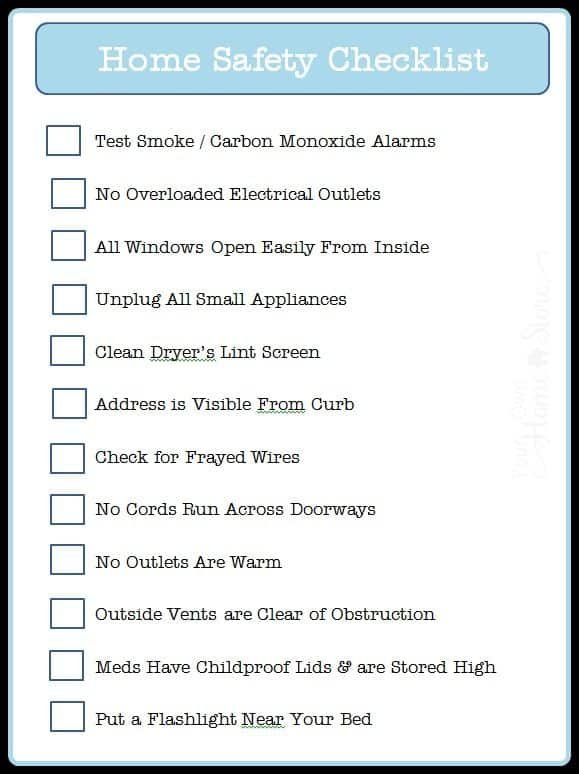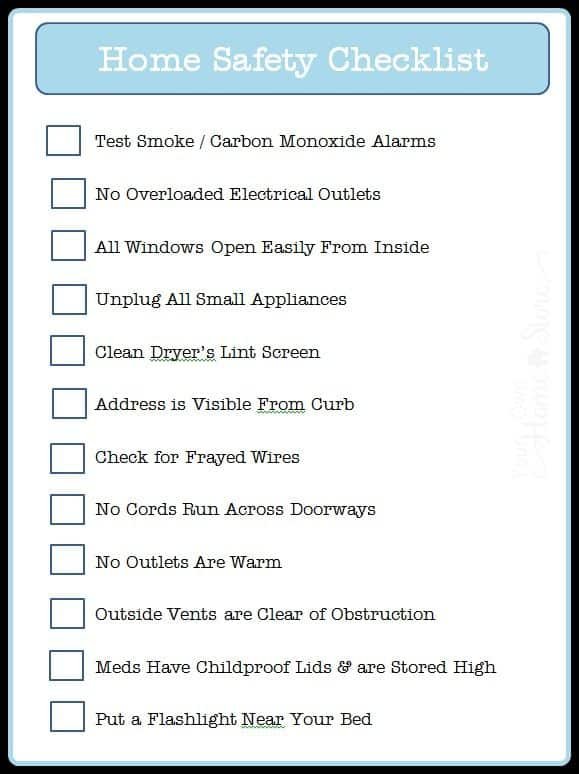
Keeping your home safe and secure is a top priority for any homeowner. Whether you’re a first-time homeowner or have lived in your house for years, it’s crucial to ensure that your home is protected from potential threats. From simple steps like installing deadbolts to more sophisticated measures such as setting up a comprehensive security system, this article will provide you with the ultimate home protection checklist to safeguard your loved ones and valuables.
Fire Safety
Smoke Detectors
One of the most important aspects of fire safety in your home is having functioning smoke detectors installed. Smoke detectors are designed to detect smoke in the air and alert you to the presence of a fire. It is recommended to have smoke detectors installed in every bedroom, hallway, and living area of your home. Make sure to test your smoke detectors regularly to ensure they are working correctly. Replace the batteries at least once a year, and consider upgrading to smoke detectors that are connected to a central alarm system for added security.
Fire Extinguishers
Having fire extinguishers readily available in your home is crucial to quickly and effectively extinguish small fires before they have a chance to spread. Place fire extinguishers in easily accessible areas, such as the kitchen, garage, and near fire-prone areas such as heaters or fireplaces. Remember to regularly inspect your fire extinguishers to ensure they are in good working condition and have not expired. Additionally, it is essential to familiarize yourself with the proper usage of a fire extinguisher in case of an emergency.
Escape Route Plan
Having a well-structured escape route plan is essential for fire safety. Create a detailed plan that outlines the quickest and safest way to exit each room in your home. Make sure all family members are aware of the escape routes and practice them regularly. It is also important to designate a meeting point outside your home where everyone should gather after safely exiting. Consider installing escape ladders in upper-level rooms to provide an additional means of escape in case of a fire.
Burglar and Intruder Prevention
Security Alarm System
Investing in a security alarm system for your home can greatly enhance its protection against burglars and intruders. A security alarm system typically includes sensors on windows and doors that will trigger an alarm if they are opened without authorization. The alarm system can be connected to a monitoring service that will promptly notify the authorities in case of a break-in. Displaying signs or stickers indicating that your home is protected by a security alarm system can act as a deterrent for potential intruders.
Motion Sensor Lights
Installing motion sensor lights around the perimeter of your home is an effective way to deter burglars and intruders. These lights automatically turn on when they detect motion, illuminating the area and making it more challenging for someone to approach undetected. Place motion sensor lights near entrances, walkways, and other vulnerable areas around your property. The sudden activation of bright lights can startle potential intruders and draw attention to their presence.
Secure Doors and Windows
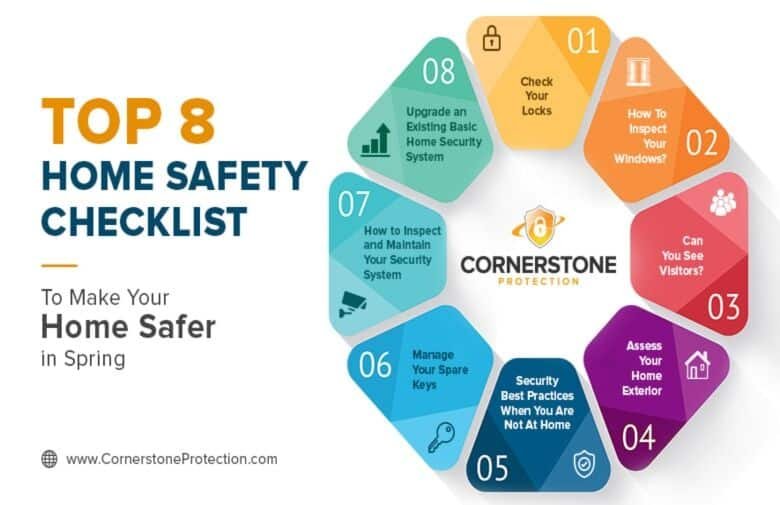
Ensuring that your doors and windows are secure is crucial for preventing burglaries and intrusions. Install sturdy locks on all doors and windows, including deadbolts and window locks. Reinforce weak points, such as the door frame or glass panels, to make it more difficult for someone to force entry. Consider installing security film on windows, which can make it harder for burglars to break the glass. Additionally, don’t forget to close and lock all doors and windows when you leave your home, even if it’s just for a short period.
Emergency Preparedness
First Aid Kit
Having a well-stocked first aid kit is essential for handling minor injuries and medical emergencies in your home. Your first aid kit should include items such as bandages, gauze, adhesive tape, antiseptic solution, pain relievers, and other basic medical supplies. Keep your first aid kit in a central location that is easily accessible to all family members. It is also important to periodically check the contents of your first aid kit and replace any expired or depleted items.
Emergency Contacts List
Create an emergency contacts list that includes important phone numbers and addresses for local authorities, fire and police departments, hospitals, and poison control centers. Keep this list in a visible and easily accessible place, such as on the refrigerator or near the phone. Make sure all family members are aware of the emergency contacts list and know how to use it in case of an emergency.
Emergency Food and Water Supplies
In the event of a natural disaster or other emergency that disrupts the supply of food and water, it is crucial to have emergency food and water supplies on hand. Stock up on non-perishable food items, such as canned goods, granola bars, and dried fruits, that can sustain you and your family for at least three days. Additionally, store enough water for each person to have at least one gallon per day. Rotate your emergency food and water supplies regularly to ensure freshness.
Home Security Cameras
Indoor Cameras
Installing indoor security cameras can provide an extra layer of protection for your home. Indoor cameras allow you to monitor and record activity inside your house, providing valuable evidence in case of a break-in or other incidents. Place indoor cameras in strategic locations, such as the entryway, living room, or areas with valuable possessions. Ensure that the cameras are discreetly positioned to maintain privacy while still capturing critical footage.
Outdoor Cameras
Outdoor security cameras are essential for keeping an eye on the perimeter of your property and deterring potential intruders. These cameras can record any suspicious activity that occurs outside your home, such as someone approaching your front door or loitering near windows. Opt for weather-resistant outdoor cameras that have night vision capabilities to ensure reliable surveillance around the clock. Consider installing cameras with motion detection features to reduce the amount of unnecessary footage recorded.
Monitoring Service
Connecting your home security cameras to a professional monitoring service can provide an additional layer of security and peace of mind. With a monitoring service, trained professionals will continuously monitor the footage from your cameras and alert you and the authorities if any suspicious activity is detected. This allows for immediate response and can significantly increase the chances of catching intruders in the act. Research different monitoring service providers to find the one that best suits your needs and budget.
Carbon Monoxide Detection
Carbon Monoxide Detectors
Carbon monoxide (CO) is an invisible, odorless gas that can be lethal if inhaled. Install carbon monoxide detectors on each level of your home and near sleeping areas to ensure early detection of any CO leaks. These detectors are designed to sound an alarm if high levels of CO are detected, giving you and your family time to evacuate safely. Test your carbon monoxide detectors regularly and replace the batteries at least once a year to ensure their proper functioning.
Regular Maintenance
In addition to installing CO detectors, it is important to perform regular maintenance on your home’s heating systems, water heaters, and any other appliances that can be a potential source of carbon monoxide. Have these systems inspected and serviced by a qualified professional at least once a year to ensure they are operating correctly and do not pose a CO risk. Proper ventilation and regular cleaning of your appliances can also help prevent the buildup of CO.
Storm and Weather Protection
Storm Shutters
Storm shutters are a valuable addition to your home’s protection against severe weather conditions. These shutters are designed to cover windows and protect them from high winds, flying debris, and hail. Storm shutters can be installed permanently or as removable panels, depending on your preferences and budget. Ensure that your storm shutters are made of sturdy, impact-resistant materials and have been properly installed to provide maximum protection during storms.
Backup Power Generator
A backup power generator can be a lifesaver during power outages caused by storms or other emergencies. These generators are designed to provide electricity to your home when the main power supply is disrupted. Consider installing a standby generator that automatically activates when the power goes out, ensuring continuous power without the need for manual operation. Prioritize essential items such as refrigeration, heating, and lighting when deciding which areas of your home will receive power during an outage.
Weather Radio
A weather radio is an essential tool for staying informed about severe weather conditions and receiving timely alerts and updates. Invest in a NOAA (National Oceanic and Atmospheric Administration) weather radio that can provide accurate and real-time information about severe weather events in your area. Set up your weather radio in a central location that is easily accessible to all family members and regularly check the batteries to ensure it is operational during emergencies.
Home Insurance
Review and Update Policy
Regularly review and update your home insurance policy to ensure that it adequately covers your property and possessions. Take into account any changes or improvements you have made to your home, such as renovations or the addition of security features, as these may affect your coverage. Discuss any concerns or questions with your insurance provider to ensure that you have a clear understanding of your policy and its limitations.
Document Valuables
Creating a detailed inventory of your valuable possessions is essential for insurance purposes in case of loss or damage. Take photographs or videos of each item, noting its description, value, and any unique identifying features. Store this documentation in a secure location, such as a safe or a cloud-based storage service, so that it can be easily accessed in case of an insurance claim. Update your inventory regularly as you acquire new items or dispose of existing ones.
Understanding Coverage
Take the time to read and fully understand the coverage provided by your home insurance policy. Familiarize yourself with the terms, conditions, and exclusions outlined in the policy documents. If there are any aspects that you are unsure about, contact your insurance provider for clarification. Understanding the extent of your coverage will allow you to make informed decisions regarding the protection of your home and belongings.
Child and Pet Safety
Childproofing Measures
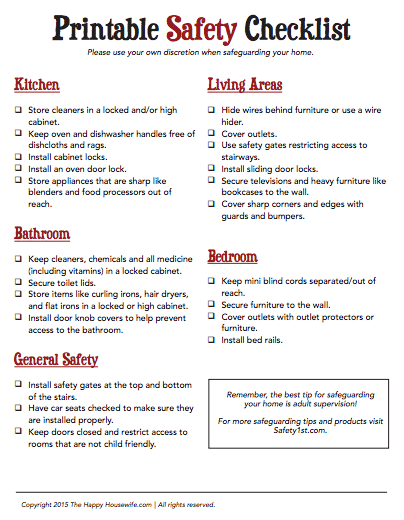
Childproofing your home is crucial to ensure the safety of your children. Identify potential hazards such as sharp corners, electrical outlets, and toxic substances, and take appropriate measures to minimize the risk. Install safety covers on all electrical outlets, secure heavy furniture to the walls to prevent tipping, and use safety gates to restrict access to potentially dangerous areas such as staircases. Regularly inspect your home for any new hazards and adapt your childproofing measures accordingly.
Safety Gates and Locks
Safety gates and locks are essential for keeping children and pets safe within designated areas of your home. Use safety gates to prevent access to areas such as staircases or rooms with potentially dangerous objects or substances. Install childproof locks on cabinets and drawers that contain hazardous materials, cleaning supplies, or sharp objects. Remember to choose safety gates and locks that are appropriate for the age and size of your child or pet.
Pet-Proofing
Just like childproofing, pet-proofing your home is crucial for the safety of your furry friends. Identify any potential hazards, such as toxic plants, exposed electrical cords, or small objects that could be swallowed, and take appropriate measures to mitigate the risks. Keep chemicals and medications stored securely and out of reach, and ensure that all houseplants are non-toxic to pets. Consider creating designated pet areas within your home with comfortable bedding, water, and toys to provide a safe and enjoyable space for your pets.
Secure WiFi Network
Change Default Passwords
When setting up your home WiFi network, it is vital to change the default passwords provided by your internet service provider. Default passwords are often well-known and easily guessed by potential hackers, compromising the security of your network. Choose strong, unique passwords that include a combination of letters, numbers, and symbols to prevent unauthorized access. Regularly update your WiFi password and avoid using personal information or commonly used phrases.
Enable Network Encryption
Enabling network encryption, such as WPA2 (Wi-Fi Protected Access 2), adds an extra layer of security to your home WiFi network. Encryption converts the data transmitted between your devices and your network into a coded format, making it difficult for hackers to intercept and decipher the information. Set up encryption on your wireless router using the recommended security protocols and periodically check for any firmware updates that may enhance the security of your network.
Natural Disaster Preparedness
Earthquake Safety Measures
If you live in an earthquake-prone area, it is essential to take safety measures to protect your home and family. Secure heavy furniture and appliances to the walls or floor using anchor straps or bolts to prevent them from tipping during an earthquake. Install latches on cabinets and drawers to prevent them from opening and spilling their contents. Identify the safest places in your home, such as under sturdy tables or inside door frames, and educate your family members on earthquake safety procedures.
Flood Prevention
To mitigate the risk of flooding in your home, take preventive measures such as installing flood barriers or sandbags around vulnerable areas, such as doors and windows. Ensure that your gutters and downspouts are clear of debris and functioning properly, directing water away from your home’s foundation. If you live in an area prone to flooding, consider elevating your utilities, such as electrical panels and HVAC systems, to higher levels to minimize potential damage.
Tornado Shelter
In regions susceptible to tornadoes, having a designated tornado shelter or safe room in your home can provide invaluable protection during severe storms. A tornado shelter should be located in the lowest level of your home, preferably away from windows and exterior walls. Reinforce the shelter with sturdy materials such as concrete or steel, and ensure that it meets the construction standards for tornado resistance. Stock your shelter with emergency supplies such as food, water, first aid kits, and flashlights.
By following this comprehensive home protection checklist, you can significantly enhance the safety and security of your home. Taking proactive measures and being prepared for emergencies and potential threats will provide you with peace of mind and protect your loved ones and valuable possessions. Remember to review and update your home protection measures regularly to adapt to changing circumstances and evolving security needs. Stay safe and secure in your home!