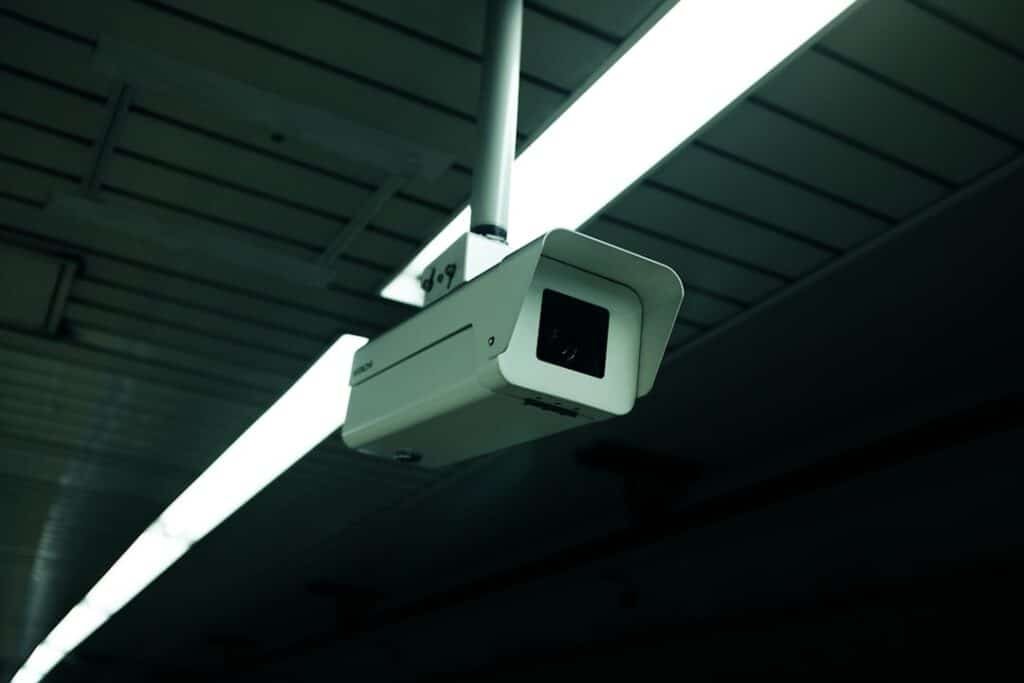
In today’s fast-paced world, the concept of home security has evolved significantly, thanks in large part to advancements in technology. Smart home security systems have emerged as a popular choice for homeowners seeking to enhance their safety and peace of mind. These systems integrate various devices, such as cameras, motion sensors, and alarms, all of which can be controlled remotely through your smartphone or other smart devices.
The convenience and flexibility offered by smart home security systems allow you to monitor your property from anywhere, providing an added layer of protection against potential threats. As you consider implementing a smart home security system, it’s essential to understand the various components that make up these systems. From video surveillance cameras that provide real-time footage to smart locks that allow you to control access to your home, each element plays a crucial role in safeguarding your living space.
However, simply installing these devices is not enough; regular maintenance is vital to ensure that your security system functions optimally and continues to protect your home effectively.
Key Takeaways
- Smart home security systems are essential for protecting your home and loved ones from potential threats.
- Regular maintenance is crucial for ensuring that smart home security systems function effectively and provide reliable protection.
- Checking and replacing batteries in security devices is important to ensure that they remain powered and operational.
- Updating software and firmware for security devices is necessary to address any security vulnerabilities and ensure optimal performance.
- Testing and calibrating motion sensors and cameras is essential for maintaining the accuracy and effectiveness of the security system.
Importance of Regular Maintenance for Smart Home Security Systems
Preventing System Failures
By committing to a routine maintenance schedule, you can identify and address potential issues before they become major problems. A malfunctioning camera or a sensor that fails to detect motion can leave your home exposed to risks. Regular maintenance helps you stay one step ahead of potential intruders, ensuring that your system remains reliable and effective in deterring them.
Proactive Measures for a Secure Home
Routinely checking and maintaining your devices allows you to address issues proactively, ensuring that your home remains secure at all times. This diligence not only protects your property but also provides you with peace of mind, knowing that you have taken the necessary steps to safeguard your living environment.
Peace of Mind through Maintenance
By prioritizing regular maintenance, you can enjoy a sense of security and confidence in your smart home security system. This proactive approach helps you stay ahead of potential threats, ensuring that your home remains a safe and secure haven for you and your loved ones.
Checking and Replacing Batteries in Security Devices
One of the most critical aspects of maintaining your smart home security system is ensuring that all devices are powered adequately. Many security devices, such as cameras and motion sensors, rely on batteries for operation. Over time, these batteries can lose their charge, leading to device failure when you need them most.
Therefore, it is essential to regularly check the battery levels of all your security devices and replace them as needed. To streamline this process, consider setting a reminder on your calendar or using a smart home app that alerts you when battery levels are low. Some devices even come equipped with notifications that will inform you when it’s time for a battery change.
By staying proactive about battery maintenance, you can avoid the frustration of discovering a dead device during an emergency situation. Remember, a fully operational security system is only as good as its power source.
Updating Software and Firmware for Security Devices
In addition to physical maintenance, keeping the software and firmware of your smart home security devices up to date is crucial for optimal performance. Manufacturers frequently release updates that enhance functionality, improve security features, and fix bugs that may compromise the effectiveness of your system. Failing to update your devices can leave them vulnerable to cyber threats or prevent them from operating at their best.
To ensure that your devices are always running the latest software, make it a habit to check for updates regularly. Most smart home systems allow you to enable automatic updates, which can save you time and effort. However, it’s still wise to periodically verify that updates have been successfully installed.
By prioritizing software maintenance, you not only enhance the performance of your security system but also fortify it against potential cyber-attacks.
Testing and Calibrating Motion Sensors and Cameras
Another essential aspect of maintaining your smart home security system is testing and calibrating motion sensors and cameras. These devices are designed to detect movement and capture footage, but they must be correctly positioned and calibrated to function effectively. Regular testing ensures that they are accurately detecting motion and recording video as intended.
To test your motion sensors, walk through the areas they cover and observe whether they trigger alerts or notifications as expected. Similarly, check the camera angles and clarity of the footage being recorded. If you notice any blind spots or unclear images, adjust the positioning or settings accordingly.
By taking the time to test and calibrate these devices regularly, you can ensure that they provide reliable surveillance and protection for your home.
Inspecting and Cleaning Security Devices
Over time, dust and debris can accumulate on your security devices, potentially obstructing their functionality. Regularly inspecting and cleaning these devices is an often-overlooked aspect of maintenance that can significantly impact their performance. For instance, outdoor cameras may become dirty due to weather conditions or environmental factors, leading to blurry images or reduced visibility.
To clean your devices effectively, use a soft cloth and mild cleaning solution suitable for electronics. Avoid using harsh chemicals that could damage the equipment. Additionally, inspect the devices for any signs of wear or damage during your cleaning routine.
If you notice any issues, address them promptly to prevent further complications down the line. By keeping your security devices clean and well-maintained, you enhance their ability to protect your home effectively.
Checking and Updating Access Control Systems
Access control systems are a vital component of any smart home security setup. These systems manage who can enter your home and when, often utilizing smart locks or keypads. Regularly checking and updating these systems is essential for maintaining security.
Ensure that only authorized individuals have access to your home by reviewing user permissions and removing access for anyone who no longer needs it. Additionally, consider changing access codes or passwords periodically to enhance security further. If you’ve recently had guests or service personnel in your home, it’s wise to update access codes afterward to prevent unauthorized entry in the future.
By actively managing your access control systems, you can maintain a secure environment while also ensuring that trusted individuals can enter your home without hassle.
Monitoring and Reviewing Security System Logs
Finally, one of the most effective ways to maintain the integrity of your smart home security system is by monitoring and reviewing system logs regularly. Most modern security systems keep detailed logs of activity, including when doors were accessed, when motion was detected, and any alerts triggered by the system. By reviewing these logs periodically, you can identify patterns or anomalies that may indicate potential security issues.
For instance, if you notice repeated attempts to access your home during odd hours or from unfamiliar sources, it may warrant further investigation or additional security measures. Keeping an eye on these logs not only helps you stay informed about the activity around your home but also empowers you to take proactive steps in enhancing your overall security strategy. In conclusion, maintaining a smart home security system requires diligence and attention to detail.
By regularly checking batteries, updating software, testing devices, cleaning equipment, managing access control systems, and monitoring logs, you can ensure that your security system remains effective in protecting your home. Embracing these practices will not only enhance the functionality of your system but also provide you with peace of mind knowing that you’ve taken the necessary steps to safeguard your living space against potential threats.
Regular maintenance is crucial for ensuring the effectiveness of a smart home security system. In addition to routine checks and updates, collaborating with a neighborhood watch program can provide an extra layer of protection for your home. According to a recent article on net/home-security-system-service-vancouver-washington/’>home security system service Vancouver, Washington and home security system service Detroit, Michigan, can ensure that your system is functioning properly and provide peace of mind for homeowners.
FAQs
What regular maintenance is required for a smart home security system?
Regular maintenance for a smart home security system may include checking and replacing batteries in sensors and cameras, testing the functionality of the system, updating software and firmware, and ensuring that all components are clean and free of debris.
How often should batteries in sensors and cameras be checked and replaced?
Batteries in sensors and cameras should be checked at least every 6 months and replaced as needed to ensure that the devices continue to function properly.
How can the functionality of a smart home security system be tested?
The functionality of a smart home security system can be tested by triggering sensors and cameras, checking for any delays or malfunctions in the system’s response, and ensuring that all alerts and notifications are working as intended.
Why is it important to update software and firmware for a smart home security system?
Updating software and firmware for a smart home security system is important to ensure that the system has the latest security patches, bug fixes, and features, and to protect against potential vulnerabilities and threats.
What are some tips for keeping smart home security system components clean and free of debris?
Tips for keeping smart home security system components clean and free of debris include regularly wiping down sensors and cameras with a soft, dry cloth, using compressed air to remove dust and dirt from crevices, and keeping outdoor components clear of leaves, spider webs, and other obstructions.