As you delve into the world of smart home security systems, it’s essential to grasp the fundamental components that make these systems effective. At their core, smart home security systems integrate various devices designed to monitor and protect your home. These devices can include smart cameras, motion detectors, door and window sensors, and smart locks, all of which can be controlled remotely through a smartphone app or a central hub.
The beauty of these systems lies in their ability to provide real-time alerts and surveillance, allowing you to keep an eye on your property from anywhere in the world. Moreover, smart home security systems often utilize cloud storage for video footage and data, which means that you can access recorded events at any time. This feature not only enhances your ability to monitor your home but also provides peace of mind knowing that you have a record of any incidents that may occur.
As you explore different options, consider how these systems can be tailored to fit your specific needs, whether you live in a small apartment or a large house. Understanding the basics will empower you to make informed decisions about which devices and features are most suitable for your lifestyle.
Key Takeaways
- Smart home security systems are designed to protect your home and family by using a combination of devices and technologies to monitor and secure your property.
- When determining internet speed for a smart home security system, factors such as the number of devices, the type of security cameras, and the level of activity on the network should be considered.
- Different types of smart home security devices have varying minimum internet speed requirements, with higher resolution cameras and more advanced features requiring faster speeds.
- Internet speed can significantly affect the performance of smart home security systems, impacting the quality of video streaming, real-time alerts, and overall system responsiveness.
- To optimize internet speed for a smart home security system, consider upgrading to a faster plan, using a wired connection for security cameras, and minimizing network congestion by limiting other devices and activities on the network.
Factors to consider when determining internet speed for a smart home security system
Assessing Your Internet Setup
As you evaluate your current internet setup, think about the number of devices that will be connected to your network. Each device consumes bandwidth, and if you have multiple cameras or sensors operating simultaneously, you’ll need sufficient speed to ensure they function optimally.
Bandwidth Competition
Another important aspect to consider is the type of activities you engage in while using your internet connection. If you frequently stream videos, play online games, or download large files, these activities can compete for bandwidth with your security system.
Reliability Matters
Therefore, it’s crucial to assess not only the speed but also the reliability of your internet connection. A consistent connection with minimal interruptions will significantly enhance the performance of your smart home security system.
Minimum internet speed requirements for different types of smart home security devices
Different smart home security devices have varying internet speed requirements based on their functionalities. For instance, basic motion sensors and door/window alarms typically require minimal bandwidth, often around 1 Mbps or less. However, when it comes to video surveillance cameras, the requirements increase substantially.
High-definition cameras may need anywhere from 3 Mbps to 10 Mbps per camera for smooth streaming and recording. If you’re considering a more advanced setup with multiple cameras or additional features like two-way audio or cloud storage, you might need even higher speeds. For example, a system with four HD cameras could require upwards of 25 Mbps to ensure that all devices operate without lag or interruptions.
As you plan your smart home security system, it’s essential to account for these varying requirements to avoid potential performance issues down the line.
How internet speed affects the performance of smart home security systems
The impact of internet speed on the performance of your smart home security system cannot be overstated. A slow or unstable connection can lead to delayed alerts, choppy video feeds, and even missed notifications when an event occurs. Imagine being away from home and relying on your security system to alert you of any suspicious activity; if your internet speed is inadequate, you may not receive timely updates, compromising your home’s safety.
Additionally, poor internet speed can affect the quality of video recordings. If your cameras are unable to transmit data quickly enough, the footage may appear pixelated or laggy, making it difficult to identify faces or details in critical situations. Therefore, ensuring that your internet speed meets or exceeds the requirements of your devices is vital for maintaining an effective security system that provides reliable monitoring and peace of mind.
Tips for optimizing internet speed for a smart home security system
To optimize your internet speed for a smart home security system, start by assessing your current network setup. One effective strategy is to position your router in a central location within your home to maximize coverage. Walls and obstructions can weaken signals, so placing the router in an open area can help improve connectivity for all devices.
Another tip is to consider upgrading your router if it’s outdated or not designed for high-bandwidth activities. Modern routers often come equipped with advanced features such as dual-band capabilities and Quality of Service (QoS) settings that prioritize bandwidth for specific devices. By configuring these settings, you can ensure that your security devices receive the necessary bandwidth even when other devices are active on the network.
Potential issues to watch out for with insufficient internet speed
When your internet speed falls short of what’s required for your smart home security system, several issues may arise that could compromise its effectiveness. One common problem is latency, which refers to delays in data transmission. This can result in slow response times for alerts or commands sent from your smartphone app to your security devices.
In critical situations where every second counts, such delays can be detrimental. Additionally, insufficient internet speed can lead to frequent disconnections or buffering issues with video feeds. If you’re relying on live streaming from security cameras, interruptions can prevent you from monitoring events as they unfold.
Furthermore, if multiple users are accessing the network simultaneously—such as family members streaming videos or gaming—this can further strain bandwidth and exacerbate these issues. Being aware of these potential pitfalls will help you take proactive measures to ensure a smooth and reliable experience with your smart home security system.
Upgrading your internet speed for a smart home security system
If you find that your current internet speed is inadequate for supporting your smart home security system effectively, it may be time to consider an upgrade. Start by contacting your internet service provider (ISP) to discuss available plans that offer higher speeds. Many ISPs provide various packages tailored to different needs, so it’s worth exploring options that align with your usage patterns.
When upgrading, consider not only the download speeds but also the upload speeds offered by different plans. Upload speeds are particularly important for devices like security cameras that need to send data back to the cloud or your smartphone app. A balanced plan with both high download and upload speeds will ensure that all aspects of your smart home security system function seamlessly.
Finding the right internet speed for your smart home security system
In conclusion, finding the right internet speed for your smart home security system is crucial for ensuring its effectiveness and reliability. By understanding the basics of how these systems work and considering factors such as device requirements and network usage patterns, you can make informed decisions about your internet setup. Remember that optimizing your network configuration and potentially upgrading your internet plan can significantly enhance the performance of your security devices.
Ultimately, investing time and resources into establishing a robust internet connection will pay off in terms of peace of mind and enhanced safety for your home. As technology continues to evolve, staying informed about best practices for maintaining an efficient smart home security system will empower you to protect what matters most effectively.
If you are considering investing in a smart home security system, you may also want to think about protecting your valuables with a home safe or vault. Our article on Protecting Your Valuables: Home Safes and Vaults offers valuable insights on how to keep your most prized possessions secure. Additionally, for those living in Memphis, Tennessee, our piece on Home Security System Service in Memphis, Tennessee provides information on local service providers. And if you are a remote worker looking to secure your home office, be sure to check out our article on Securing Your Home Office: Tips for Remote Workers.
FAQs
What is a smart home security system?
A smart home security system is a network of interconnected devices and sensors that work together to protect your home. These systems can include cameras, motion detectors, door and window sensors, and smart locks, all of which can be monitored and controlled remotely through a smartphone app.
What internet speed is recommended for a smart home security system?
The recommended minimum internet speed for a smart home security system is 2 Mbps (megabits per second) for uploading and downloading. However, for optimal performance, a higher internet speed of at least 5 Mbps is recommended, especially if you have multiple devices connected to the system or if you plan to stream high-definition video from your security cameras.
Why is internet speed important for a smart home security system?
Internet speed is important for a smart home security system because it determines how quickly and reliably data can be transmitted between the security devices and the monitoring app. A higher internet speed ensures that live video feeds from security cameras are clear and uninterrupted, and that alerts and notifications are delivered in a timely manner.
What are the consequences of having insufficient internet speed for a smart home security system?
Insufficient internet speed for a smart home security system can result in poor video quality, delayed or missed alerts, and unreliable remote access to the system. This can compromise the effectiveness of the security system and potentially put your home at risk.
How can I test my internet speed for a smart home security system?
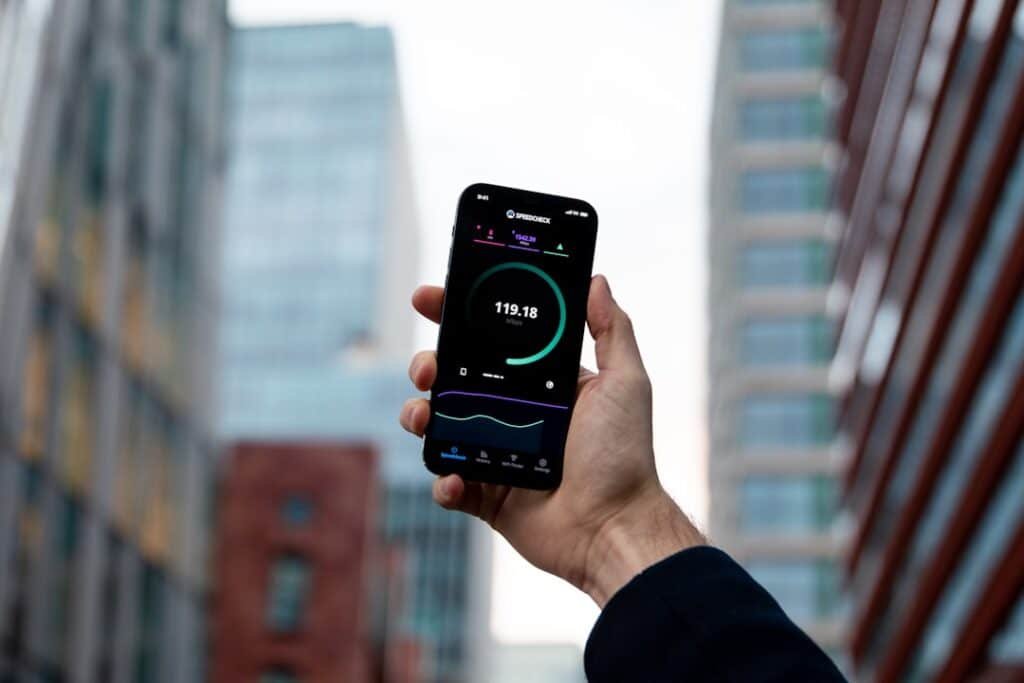
You can test your internet speed for a smart home security system using online speed testing tools, which measure the upload and download speeds of your internet connection. These tools are widely available and can be accessed through web browsers on computers, smartphones, and other internet-connected devices.