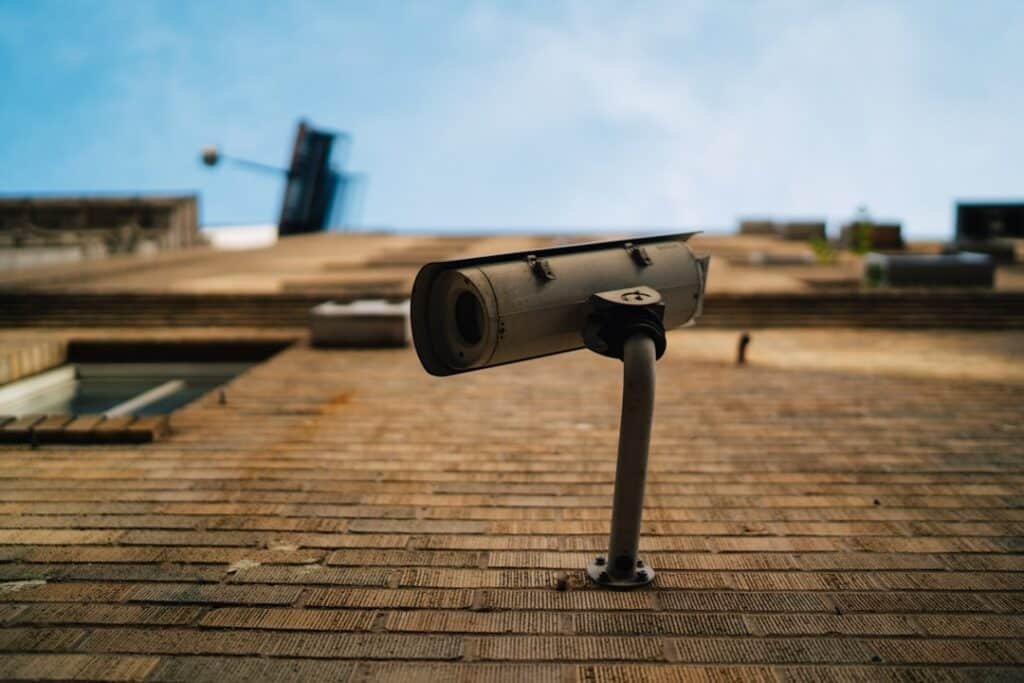
In an age where technology permeates every aspect of our lives, smart security systems have emerged as a vital component of home and business safety. You may find yourself increasingly concerned about the security of your property, and rightly so. Traditional security measures, while effective to some extent, often fall short in providing the comprehensive protection that modern threats demand.
Smart security systems offer a sophisticated solution, combining advanced technology with user-friendly interfaces to create a robust defense against potential intrusions. These systems not only enhance your peace of mind but also empower you with real-time information and control over your environment. Imagine being able to monitor your home from anywhere in the world, receiving instant alerts about unusual activity, and having the ability to respond immediately.
This level of connectivity and responsiveness is what sets smart security systems apart from their conventional counterparts. As you delve deeper into the components and functionalities of these systems, you will discover how they can transform your approach to safety and security.
Key Takeaways
- Smart security systems use advanced technology to protect homes and businesses from intruders and other threats.
- Components of a smart security system include cameras, sensors, alarms, and access control devices.
- Smart security systems can be integrated with smart home technology for seamless control and monitoring.
- Remote monitoring and control allow users to access their security system from anywhere using a smartphone or computer.
- Advanced sensors and detection technology, along with artificial intelligence and machine learning, enhance the accuracy and effectiveness of smart security systems.
Components of a Smart Security System
At the heart of any smart security system lies a collection of essential components that work in harmony to provide comprehensive protection. You will typically find devices such as smart cameras, motion detectors, door/window sensors, and smart locks integrated into these systems. Each component plays a crucial role in creating a multi-layered defense strategy.
For instance, smart cameras equipped with high-definition video capabilities allow you to monitor your property in real-time, while motion detectors can alert you to any unexpected movement. Moreover, the integration of smart locks adds an extra layer of convenience and security. You can control access to your home remotely, granting entry to trusted individuals while keeping potential intruders at bay.
The beauty of these components lies in their ability to communicate with one another through a central hub or app, allowing for seamless operation. As you explore the various components of smart security systems, you will appreciate how they collectively enhance your ability to safeguard your property.
Integration with Smart Home Technology
One of the most appealing aspects of smart security systems is their ability to integrate seamlessly with other smart home technologies. If you already have devices like smart thermostats, lighting systems, or voice assistants, you can easily incorporate your security system into this ecosystem. This integration not only simplifies your daily routines but also enhances overall security.
For example, you can program your lights to turn on automatically when your security cameras detect motion, creating the illusion that someone is home even when you are away. Furthermore, the synergy between smart security systems and other home technologies allows for greater automation. You can set up scenarios where your security system communicates with other devices to create a comprehensive safety net.
Imagine arriving home after dark and having your porch lights illuminate automatically while your door unlocks as you approach. This level of convenience and safety is made possible through the interconnectedness of smart home technology and security systems.
Remote Monitoring and Control
The ability to monitor and control your security system remotely is one of its most significant advantages. With a smartphone app or web interface, you can access live feeds from your cameras, receive alerts about potential threats, and even control locks and alarms from virtually anywhere. This feature is particularly beneficial for those who travel frequently or have second homes.
You can check in on your property at any time, ensuring that everything is secure. Additionally, remote monitoring allows for quick responses to potential issues. If you receive an alert about unusual activity while you’re away, you can take immediate action—whether that means contacting local authorities or activating an alarm.
This level of control not only enhances your sense of security but also provides peace of mind knowing that you are always connected to your home environment.
Advanced Sensors and Detection Technology
Smart security systems are equipped with advanced sensors and detection technology that significantly enhance their effectiveness. These sensors are designed to detect a wide range of activities, from motion and sound to environmental changes like temperature fluctuations or smoke detection. For instance, modern motion sensors can differentiate between human movement and pets, reducing false alarms and ensuring that you are only alerted when necessary.
Moreover, some systems incorporate environmental sensors that monitor for smoke, carbon monoxide, or water leaks. This added layer of protection means that your home is not only safeguarded against intrusions but also against potential hazards that could compromise your safety. As you explore these advanced technologies, you’ll realize how they contribute to a more comprehensive approach to home security.
Artificial Intelligence and Machine Learning
Artificial intelligence (AI) and machine learning are revolutionizing the landscape of smart security systems. These technologies enable systems to learn from patterns and behaviors over time, allowing for more accurate threat detection and response. For example, AI-powered cameras can recognize familiar faces and distinguish them from strangers, reducing false alarms triggered by known individuals.
Additionally, machine learning algorithms can analyze data from various sensors to identify unusual patterns that may indicate a security breach. This proactive approach means that your system becomes smarter over time, adapting to your lifestyle and preferences while enhancing its ability to protect you. As you consider the implications of AI in smart security systems, you’ll appreciate how it elevates the level of protection available to you.
Customization and Automation Features
One of the standout features of smart security systems is their high degree of customization and automation capabilities. You have the flexibility to tailor the system according to your specific needs and preferences. Whether it’s setting up specific zones for monitoring or adjusting sensitivity levels for motion detectors, customization ensures that your system works optimally for your unique situation.
Automation features further enhance this experience by allowing you to create routines that align with your lifestyle. For instance, you can program your system to activate when you leave for work in the morning and deactivate when you return home in the evening. This level of personalization not only makes using the system more convenient but also ensures that it operates efficiently without requiring constant manual intervention.
Future Trends in Smart Security Systems
As technology continues to evolve at a rapid pace, the future of smart security systems looks promising. You can expect advancements in areas such as biometric authentication, which will provide even more secure access methods through fingerprint or facial recognition technology. This could eliminate the need for traditional keys or codes altogether.
Moreover, as the Internet of Things (IoT) expands, smart security systems will become even more interconnected with other devices in your home. Imagine a scenario where your security system communicates with your smart refrigerator to alert you if it detects an intruder while you’re away—this level of integration will redefine how we think about home safety. In conclusion, smart security systems represent a significant leap forward in protecting our homes and businesses.
With their advanced components, seamless integration with smart home technology, remote monitoring capabilities, and cutting-edge AI features, these systems offer unparalleled peace of mind. As you consider investing in a smart security system, remember that it’s not just about safeguarding your property; it’s about embracing a new era of safety that empowers you with control and awareness like never before. The future holds exciting possibilities for these systems, making now the perfect time to explore what they can offer you in terms of security and convenience.
If you are interested in learning more about the must-have features for your home security system, check out this article. It provides valuable insights into the essential components that make a security system truly smart and effective in protecting your home. Additionally, you can also explore the services offered by home security system providers in different locations, such as Albuquerque, New Mexico.
FAQs
What is a smart security system?
A smart security system is a network of integrated electronic devices designed to secure a home or business. These systems typically include sensors, cameras, and a central control panel that can be accessed remotely via a smartphone or computer.
What features make a security system “smart”?
Smart security systems are characterized by their ability to connect to the internet and be controlled remotely. They often include features such as motion detection, video surveillance, and the ability to send alerts and notifications to the user’s smartphone.
How does a smart security system work?
Smart security systems use a combination of sensors, cameras, and control panels to monitor and protect a property. When a sensor is triggered, such as by motion or a door opening, the system can send an alert to the user’s smartphone and/or trigger an alarm.
What are the benefits of a smart security system?
Smart security systems offer increased convenience and peace of mind, as users can monitor and control their security system remotely. They also provide enhanced security through features such as video surveillance and the ability to receive real-time alerts.
What are some examples of smart security system devices?
Examples of devices that can be part of a smart security system include smart cameras, motion sensors, door and window sensors, smart locks, and control panels with touchscreen interfaces. These devices can be integrated and controlled through a central hub or smartphone app.