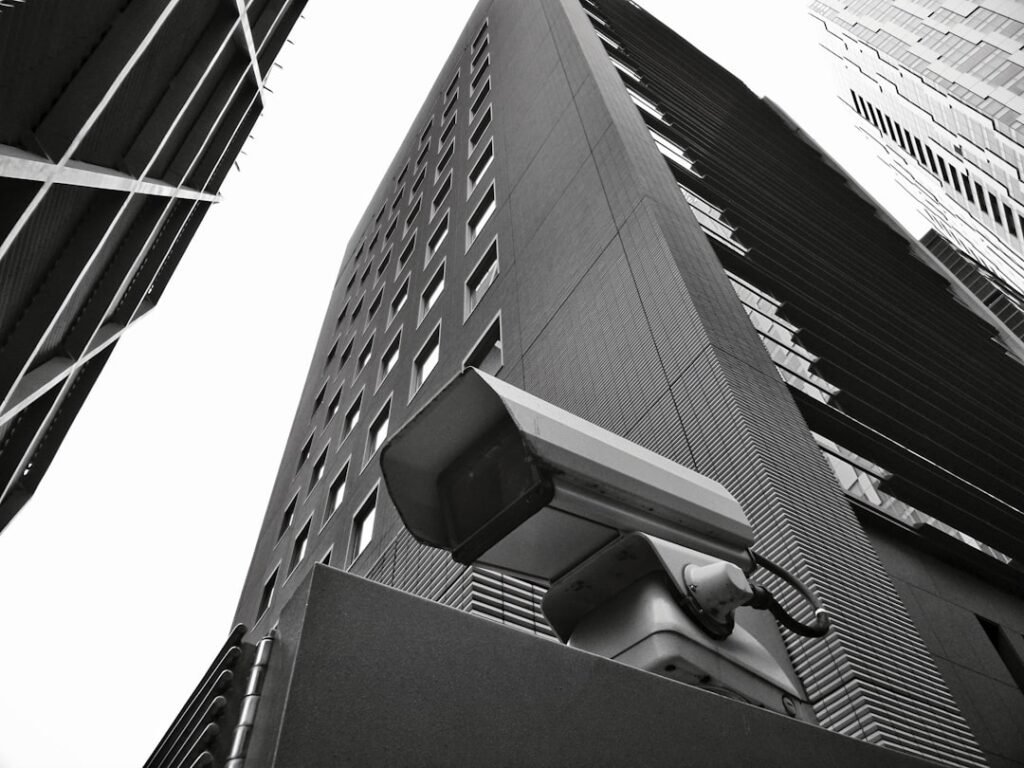
In recent years, the landscape of home security has undergone a remarkable transformation, driven by the rapid advancement of technology. As you navigate through your daily life, the importance of feeling safe and secure in your own home cannot be overstated. Emerging technologies are reshaping how you protect your living space, offering innovative solutions that enhance both convenience and safety.
From smart locks to advanced surveillance systems, these technologies are designed to provide you with peace of mind, allowing you to focus on what truly matters. The integration of cutting-edge technologies into home security systems is not just a trend; it represents a fundamental shift in how you approach safety. With the rise of smart homes, security systems are becoming more interconnected and user-friendly.
You can now monitor your property from anywhere in the world using your smartphone, receive real-time alerts about potential threats, and even control various aspects of your home environment remotely. This article will explore the various emerging technologies that are revolutionizing home security, highlighting their benefits and implications for your everyday life.
Key Takeaways
- Emerging technologies are revolutionizing home security systems, making them more advanced and efficient.
- Smart home integration and automation allow for seamless control and monitoring of security systems from anywhere.
- Artificial intelligence and machine learning enable security systems to learn and adapt to patterns and potential threats.
- Advanced video surveillance and analytics provide enhanced monitoring and detection capabilities for home security.
- Biometric access control and recognition offer a high level of security and convenience for homeowners.
Smart Home Integration and Automation
As you delve deeper into the world of home security, one of the most significant advancements you will encounter is smart home integration. This technology allows various devices within your home to communicate with each other, creating a seamless ecosystem that enhances your overall security. Imagine being able to lock your doors, adjust your thermostat, and turn on your lights all from a single app on your smartphone.
This level of automation not only simplifies your life but also adds an extra layer of protection to your home. Smart home integration goes beyond mere convenience; it empowers you to take control of your security in ways that were previously unimaginable. For instance, you can set up automated routines that simulate your presence at home, deterring potential intruders.
By programming your lights to turn on and off at specific times or having your smart speakers play music when you’re away, you create an illusion of occupancy that can significantly reduce the risk of break-ins. Furthermore, many smart home devices can be integrated with security systems, allowing for real-time monitoring and alerts that keep you informed about any unusual activity.
Artificial Intelligence and Machine Learning
Artificial intelligence (AI) and machine learning are at the forefront of technological innovation in home security systems. These advanced technologies enable devices to learn from patterns and behaviors, making them more effective at identifying potential threats. As you interact with your security system, AI algorithms analyze data from various sources, such as video feeds and sensor inputs, to detect anomalies that may indicate a security breach.
The application of AI in home security is particularly evident in video surveillance systems. With traditional cameras, you might have to sift through hours of footage to find relevant information. However, AI-powered systems can automatically flag suspicious activity and send you alerts in real time.
This not only saves you time but also enhances your ability to respond quickly to potential threats. As these technologies continue to evolve, you can expect even more sophisticated features that will further improve the effectiveness of your home security measures.
Advanced Video Surveillance and Analytics
Video surveillance has long been a cornerstone of home security, but recent advancements have taken this technology to new heights. High-definition cameras equipped with night vision capabilities and wide-angle lenses provide you with a comprehensive view of your property, ensuring that no corner goes unmonitored. Additionally, many modern surveillance systems offer cloud storage options, allowing you to access recorded footage from anywhere at any time.
What sets advanced video surveillance apart is its integration with analytics tools that enhance your ability to monitor and respond to incidents. For instance, some systems utilize facial recognition technology to identify familiar faces and alert you when an unknown individual is detected on your property. This level of sophistication not only improves security but also provides valuable insights into patterns of activity around your home.
By analyzing data over time, these systems can help you identify trends and make informed decisions about your security strategy.
Biometric Access Control and Recognition
As you consider the various options for securing your home, biometric access control emerges as a cutting-edge solution that offers unparalleled convenience and security. Biometric systems use unique physical characteristics—such as fingerprints, facial recognition, or iris scans—to grant access to authorized individuals while keeping intruders at bay. This technology eliminates the need for traditional keys or access codes, which can be lost or stolen.
The appeal of biometric access control lies in its ability to provide a personalized security experience. You can easily grant access to family members or trusted friends without worrying about the risks associated with physical keys. Moreover, many biometric systems come equipped with advanced features such as real-time monitoring and alerts when unauthorized access attempts occur.
As this technology continues to evolve, it is likely that biometric solutions will become increasingly prevalent in residential settings, offering you a higher level of protection than ever before.
Internet of Things (IoT) Devices and Sensors
The Internet of Things (IoT) has revolutionized the way we interact with our environment, and home security is no exception. IoT devices are interconnected gadgets that communicate with each other over the internet, allowing for enhanced monitoring and control of your home security system. From smart doorbells equipped with cameras to motion sensors that alert you when someone approaches your property, IoT devices provide a comprehensive approach to safeguarding your home.
One of the key benefits of IoT devices is their ability to provide real-time data and insights about your home’s security status. For example, if a motion sensor detects movement outside your front door, it can send an instant notification to your smartphone, allowing you to assess the situation immediately. Additionally, many IoT devices can be integrated with other smart home technologies, enabling you to create customized security routines tailored to your lifestyle.
Whether you’re at home or away, these devices work together to ensure that you remain informed and in control.
Cloud-Based Security Solutions
As technology continues to advance, cloud-based security solutions have emerged as a game-changer in the realm of home security systems. These solutions allow you to store and access data remotely via the internet, providing flexibility and convenience that traditional systems cannot match. With cloud-based storage for video footage and sensor data, you can easily retrieve important information whenever needed without worrying about physical storage limitations.
The advantages of cloud-based security extend beyond mere storage capabilities. Many cloud-based systems offer advanced features such as automatic software updates and remote monitoring options that enhance your overall security experience. You can access live feeds from your cameras or receive alerts about unusual activity from anywhere in the world using just your smartphone or tablet.
This level of accessibility ensures that you remain connected to your home’s security at all times, empowering you to take action when necessary.
Cybersecurity and Data Privacy Considerations
While emerging technologies in home security offer numerous benefits, they also raise important concerns regarding cybersecurity and data privacy. As you embrace these innovations, it is crucial to understand the potential risks associated with interconnected devices and cloud-based solutions. Cybercriminals are increasingly targeting smart home devices as entry points into personal networks, making it essential for you to take proactive measures to protect your information.
To safeguard your home security system from cyber threats, consider implementing strong passwords for all devices and regularly updating them. Additionally, ensure that any software or firmware updates are promptly installed to address vulnerabilities that may arise over time. Familiarizing yourself with privacy settings on each device can also help you control what data is shared and with whom.
By being vigilant about cybersecurity practices, you can enjoy the benefits of emerging technologies while minimizing potential risks. In conclusion, the evolution of home security systems through emerging technologies has transformed how you protect your living space. From smart home integration and AI-driven analytics to biometric access control and IoT devices, these innovations offer unprecedented levels of convenience and safety.
However, as you embrace these advancements, it is essential to remain aware of cybersecurity considerations to ensure that your personal information remains secure. By staying informed and proactive about your home security measures, you can create a safe haven for yourself and your loved ones in an increasingly connected world.
If you are interested in learning more about effective strategies for home protection, you should check out the article Effective Strategies for Home Protection. This article provides valuable insights and tips on how to enhance the security of your home and keep your loved ones safe. By implementing the strategies outlined in this article, you can create a more secure environment for your family and belongings.
FAQs
What are some emerging technologies in home security systems?
Some emerging technologies in home security systems include artificial intelligence, facial recognition, smart home integration, and advanced video analytics.
How does artificial intelligence improve home security systems?
Artificial intelligence can improve home security systems by enabling them to learn and adapt to the homeowner’s behavior, detect anomalies, and provide more accurate alerts.
What is facial recognition and how is it used in home security systems?
Facial recognition is a technology that can identify or verify a person from a digital image or video frame. In home security systems, it can be used to recognize authorized individuals and provide access control.
How do home security systems integrate with smart home devices?
Home security systems can integrate with smart home devices such as smart locks, doorbell cameras, and smart lighting to provide a more comprehensive and interconnected security solution.
What are advanced video analytics in home security systems?
Advanced video analytics in home security systems use algorithms to analyze video footage and detect specific events or behaviors, such as motion detection, object recognition, and abnormal activity.