


In an age where technology is rapidly evolving, the integration of voice control into home security systems has become a game-changer. Imagine walking into your home and simply saying, “Lock the doors,” or “Turn on the security cameras,” and having your devices respond instantly. This convenience not only enhances your daily life but also adds a layer of sophistication to your home security measures.
Voice control allows you to manage your security devices hands-free, making it easier to monitor your home while juggling other tasks. As you delve into the world of voice-controlled home security, you’ll discover that it encompasses a range of devices, from smart locks and cameras to alarm systems and motion sensors. The ability to control these devices through voice commands can significantly streamline your home management.
However, as with any technology, understanding the nuances of voice control is essential for maximizing its benefits while minimizing potential drawbacks. This article will explore the advantages and limitations of using voice control for home security, compatibility with various devices, setup processes, security concerns, troubleshooting tips, and future developments in this exciting field.
Key Takeaways
- Voice control for home security devices offers convenience and hands-free operation for users.
- Advantages of using voice control include ease of use, accessibility for all family members, and integration with other smart home devices.
- Limitations of using voice control include potential security and privacy concerns, as well as compatibility issues with older home security devices.
- Setting up voice control for home security devices may require specific instructions and compatibility checks, but can generally be done with the help of user-friendly apps and guides.
- Future developments in voice control for home security devices may focus on improving accuracy, expanding compatibility, and addressing security and privacy concerns.
Advantages and Limitations of Using Voice Control
One of the most significant advantages of voice control for home security devices is the convenience it offers. You can issue commands without needing to fumble with your smartphone or remote control, which is particularly beneficial in emergency situations. For instance, if you find yourself in a precarious situation, being able to verbally command your security system to alert authorities or lock doors can be a lifesaver.
Additionally, voice control can be integrated with other smart home devices, allowing for seamless automation. You can create routines that enable multiple devices to respond simultaneously to a single command, enhancing both security and comfort. However, while the benefits are compelling, there are limitations to consider.
One major concern is the reliability of voice recognition technology. Background noise, accents, and speech clarity can all affect how well your system understands your commands. In some cases, you may find yourself repeating commands or resorting to manual controls when the voice recognition fails.
Furthermore, there are potential privacy issues associated with voice-activated devices. Many systems are always listening for commands, which raises questions about data security and unauthorized access. Balancing convenience with these limitations is crucial as you navigate the world of voice-controlled home security.
Compatibility of Home Security Devices with Voice Control
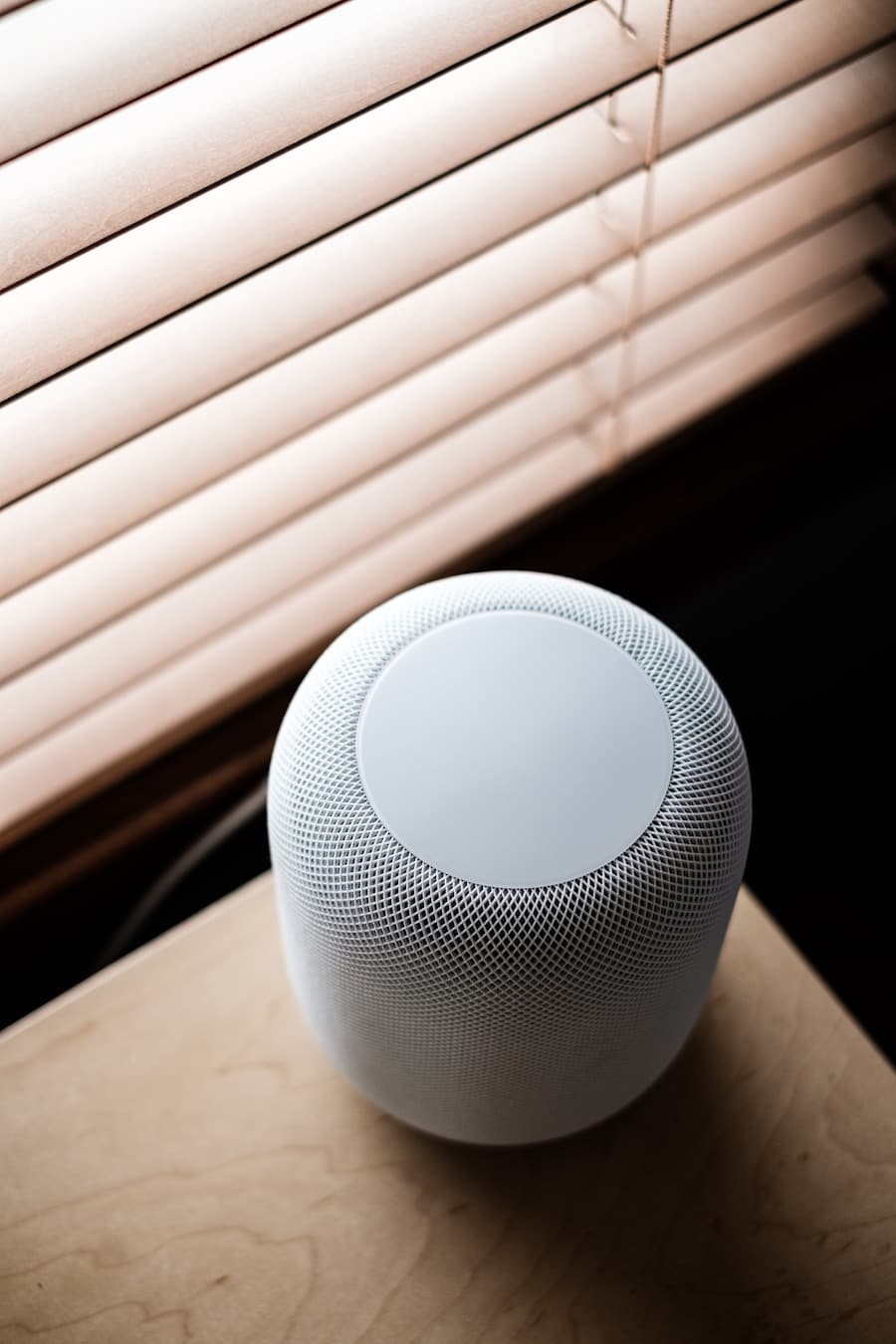
When considering voice control for your home security system, compatibility is a key factor. Not all devices are designed to work with voice assistants like Amazon Alexa, Google Assistant, or Apple Siri. Before investing in new equipment, it’s essential to ensure that your existing devices can integrate seamlessly with your chosen voice control platform.
Many manufacturers now offer products specifically designed for compatibility with popular voice assistants, making it easier for you to build a cohesive smart home ecosystem. To determine compatibility, you should check the specifications of each device and look for labels indicating support for specific voice assistants. Additionally, many manufacturers provide apps that allow you to manage device settings and integrations.
By using these apps, you can often find information about which voice commands are supported and how to set them up effectively. Ensuring that your home security devices are compatible with your preferred voice control system will enhance your overall experience and provide peace of mind knowing that your security measures are functioning optimally.
Setting Up Voice Control for Home Security Devices
Setting up voice control for your home security devices can be a straightforward process if you follow the right steps. First, you’ll need to choose a compatible voice assistant that aligns with your preferences and existing smart home ecosystem. Once you’ve selected a platform, download the corresponding app on your smartphone or tablet.
This app will serve as the central hub for managing your devices and issuing voice commands. After installing the app, you’ll need to connect your home security devices to the voice assistant. This typically involves following prompts within the app to link each device to your account.
You may need to enter specific information or scan QR codes provided by the manufacturer. Once connected, you can customize settings and create routines that suit your lifestyle. For example, you might set up a routine that activates your security system when you say “Goodnight,” ensuring that all doors are locked and cameras are armed with a single command.
Security and Privacy Concerns with Voice Control
While voice control offers numerous benefits for home security, it also raises important security and privacy concerns that you should be aware of. One primary issue is the potential for unauthorized access to your devices. If someone gains access to your voice assistant or its associated accounts, they could potentially issue commands that compromise your home’s safety.
To mitigate this risk, it’s crucial to implement strong passwords and enable two-factor authentication wherever possible. Another concern revolves around data privacy. Many voice-controlled devices continuously listen for commands, which means they are always processing audio data.
This raises questions about how this data is stored and used by manufacturers. You should familiarize yourself with the privacy policies of the devices you use and consider adjusting settings to limit data collection if you’re uncomfortable with how your information is handled. Being proactive about these concerns will help you enjoy the benefits of voice control while safeguarding your privacy.
Troubleshooting and Common Issues with Voice Control
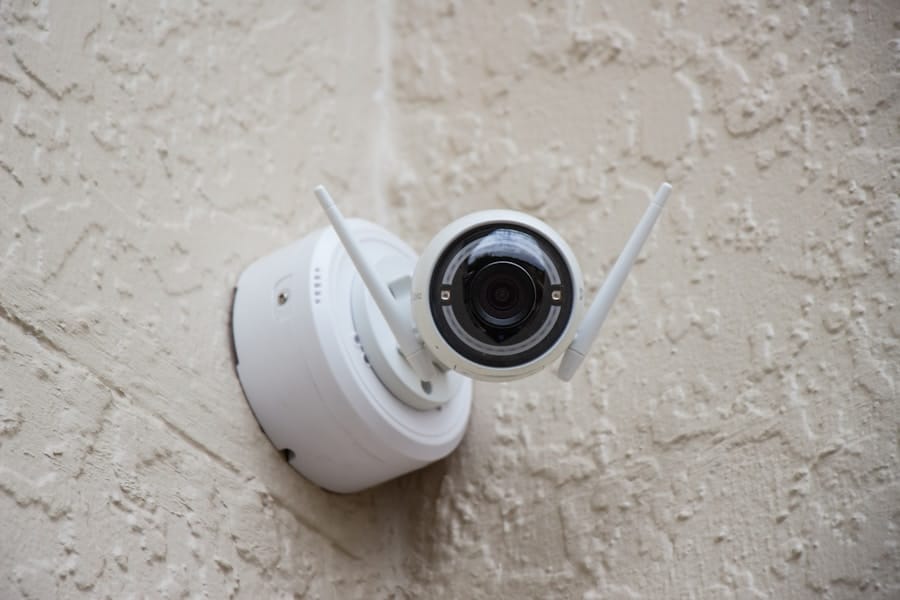
As with any technology, you may encounter issues when using voice control for your home security devices. One common problem is connectivity issues between the voice assistant and the devices themselves. If you find that your commands are not being recognized or executed properly, it may be due to a weak Wi-Fi signal or an unstable internet connection.
Ensuring that your network is robust and that all devices are within range can help alleviate these issues. Another frequent challenge is miscommunication between you and the voice assistant. Sometimes, the system may misinterpret commands due to background noise or unclear speech.
To improve accuracy, try speaking clearly and directly towards the device when issuing commands. If problems persist, consider checking for software updates for both the voice assistant and your security devices, as manufacturers often release updates that enhance performance and fix bugs.
Future Developments in Voice Control for Home Security Devices
The future of voice control in home security is promising, with ongoing advancements in technology likely to enhance functionality and user experience. One area of development is improved natural language processing capabilities, which will allow voice assistants to understand more complex commands and context better. This means that instead of issuing simple commands like “lock the door,” you could potentially ask more nuanced questions or give multi-part instructions that the system would comprehend seamlessly.
Additionally, as artificial intelligence continues to evolve, we can expect more personalized interactions with our voice-controlled systems. Future developments may include systems that learn from your habits and preferences over time, allowing them to anticipate your needs without requiring explicit commands. Imagine a scenario where your home security system automatically adjusts based on your daily routines or alerts you when unusual activity is detected without needing a prompt from you.
Conclusion and Recommendations for Using Voice Control for Home Security Devices
In conclusion, integrating voice control into your home security system can significantly enhance convenience and efficiency in managing your safety measures. However, it’s essential to weigh the advantages against potential limitations and privacy concerns. By understanding compatibility issues and following proper setup procedures, you can create a cohesive smart home environment that meets your needs.
As you explore this technology further, consider implementing strong security practices to protect against unauthorized access and data breaches. Regularly update software and familiarize yourself with troubleshooting techniques to ensure smooth operation of your devices. With ongoing advancements in voice control technology on the horizon, staying informed will help you make the most of these innovations while keeping your home secure.
Ultimately, embracing voice control for home security can lead to a more streamlined and responsive living environment. By taking proactive steps in setup and maintenance while remaining vigilant about privacy concerns, you can enjoy the benefits of this technology while ensuring that your home remains a safe haven for you and your loved ones.
If you are interested in enhancing your home security beyond voice control, you may want to check out this article on tips and tricks for a safer home. This article provides valuable insights on how to improve the security of your home using various methods and technologies. Additionally, you may also find the article on neighborhood watch collaborative home security interesting, as it discusses the benefits of working together with your neighbors to create a safer community.
FAQs
What is voice control for home security devices?
Voice control for home security devices allows users to control their security systems using voice commands. This can include arming and disarming the system, checking the status of sensors, and controlling other connected devices such as smart locks and cameras.
How does voice control for home security devices work?
Voice control for home security devices typically involves using a smart speaker or virtual assistant, such as Amazon Alexa or Google Assistant, to communicate with the security system. Users can issue voice commands to the smart speaker, which then communicates with the security system to carry out the requested actions.
What are the benefits of using voice control for home security devices?
Using voice control for home security devices can provide convenience and ease of use for homeowners. It allows for hands-free operation of the security system, which can be particularly useful when entering or leaving the home with arms full. Voice control can also integrate with other smart home devices, providing a seamless and integrated home automation experience.
Are there any security concerns with using voice control for home security devices?
While voice control for home security devices can offer convenience, there are potential security concerns to consider. Voice commands could potentially be overheard or intercepted, leading to unauthorized access to the security system. It’s important for users to take precautions such as using strong, unique voice passwords and enabling two-factor authentication when available.
What home security devices can be controlled using voice commands?
Many home security devices can be controlled using voice commands, including security systems, smart locks, door and window sensors, motion detectors, and security cameras. Additionally, users can often integrate voice control with other smart home devices such as lights, thermostats, and garage door openers for a comprehensive home automation experience.


