


In today’s digital age, the threat of identity theft looms larger than ever. You may not realize it, but your personal information is constantly at risk from various sources, including online transactions, social media, and even physical documents that you might carelessly discard. Identity theft occurs when someone unlawfully obtains and uses your personal information, such as your Social Security number, credit card details, or bank account information, to commit fraud.
This can lead to significant financial loss, damage to your credit score, and a long, arduous process of reclaiming your identity. The consequences of identity theft can be devastating. Imagine waking up one day to find that your bank account has been drained or that loans have been taken out in your name without your knowledge.
The emotional toll can be just as severe as the financial repercussions. You may feel violated, anxious, and overwhelmed by the prospect of navigating the complex world of identity recovery. Understanding these risks is the first step in taking proactive measures to protect yourself and your personal information from falling into the wrong hands.
Key Takeaways
- Identity theft poses significant risks to individuals, including financial loss and damage to credit scores.
- Security systems can help protect your identity by monitoring and detecting unauthorized access to your home.
- Surveillance cameras provide added security by capturing footage of potential intruders and serving as a deterrent.
- Alarm systems play a crucial role in preventing identity theft by alerting homeowners and authorities to potential security breaches.
- Smart home technology enhances security by allowing homeowners to remotely monitor and control access to their homes.
How Security Systems Can Help Protect Your Identity
Investing in a robust security system can be a game-changer in safeguarding your identity. These systems are designed not only to protect your physical property but also to secure your personal information from potential threats. A comprehensive security system typically includes features such as surveillance cameras, alarm systems, and smart home technology that work together to create a protective barrier around your home and personal data.
By implementing these measures, you can significantly reduce the likelihood of becoming a victim of identity theft. Moreover, security systems often come equipped with monitoring services that provide an added layer of protection. Many companies offer 24/7 monitoring, which means that trained professionals are always on alert for any suspicious activity.
If an unauthorized entry is detected or if there are signs of tampering with your property, these professionals can respond quickly to mitigate any potential threats. This constant vigilance not only protects your physical belongings but also helps ensure that your personal information remains secure.
Utilizing Surveillance Cameras for Added Security

Surveillance cameras are one of the most effective tools in a modern security system. By installing cameras around your home, you create a visual deterrent against potential intruders. Knowing that they are being watched can discourage criminals from attempting to break into your property.
Additionally, many surveillance systems now offer remote access features, allowing you to monitor live feeds from your smartphone or computer. This means you can keep an eye on your home even when you’re miles away, providing peace of mind that your personal space—and by extension, your identity—is being protected. Furthermore, surveillance cameras can play a crucial role in documenting any suspicious activity.
In the unfortunate event that a crime does occur, having recorded footage can be invaluable for law enforcement investigations. This evidence can help identify perpetrators and recover stolen property more effectively. By investing in high-quality cameras with features like night vision and motion detection, you enhance your ability to monitor your surroundings and deter potential threats to your identity.
The Role of Alarm Systems in Identity Theft Prevention
Alarm systems serve as another critical component in the fight against identity theft. These systems are designed to alert you and law enforcement in the event of a break-in or unauthorized access to your home. When an alarm is triggered, it sends an immediate notification to a monitoring center, which can then dispatch emergency services if necessary.
This rapid response can prevent further damage and protect not only your physical assets but also your personal information stored within your home. In addition to traditional alarm systems, many modern setups include smart technology that allows for greater customization and control. For instance, you can set up alerts for specific events, such as when doors or windows are opened unexpectedly.
This level of monitoring enables you to stay informed about who is entering or leaving your home and when. By being proactive about securing your living space with an effective alarm system, you significantly reduce the risk of identity theft stemming from physical breaches.
Integrating Smart Home Technology for Enhanced Security
Smart home technology has revolutionized the way we approach security and identity protection. With devices like smart locks, doorbell cameras, and motion sensors, you can create a highly secure environment tailored to your needs. Smart locks allow you to control access to your home remotely; you can lock or unlock doors from anywhere using your smartphone.
This feature is particularly useful if you need to grant access to trusted individuals while ensuring that unauthorized persons cannot enter. Moreover, integrating smart home technology with your security system enhances overall protection against identity theft. For example, if a motion sensor detects unusual activity outside your home, it can trigger alerts on your smartphone or even activate surveillance cameras automatically.
This interconnectedness allows for a more comprehensive approach to security, ensuring that all aspects of your home work together seamlessly to protect both your physical space and personal information.
Monitoring and Managing Access to Your Home
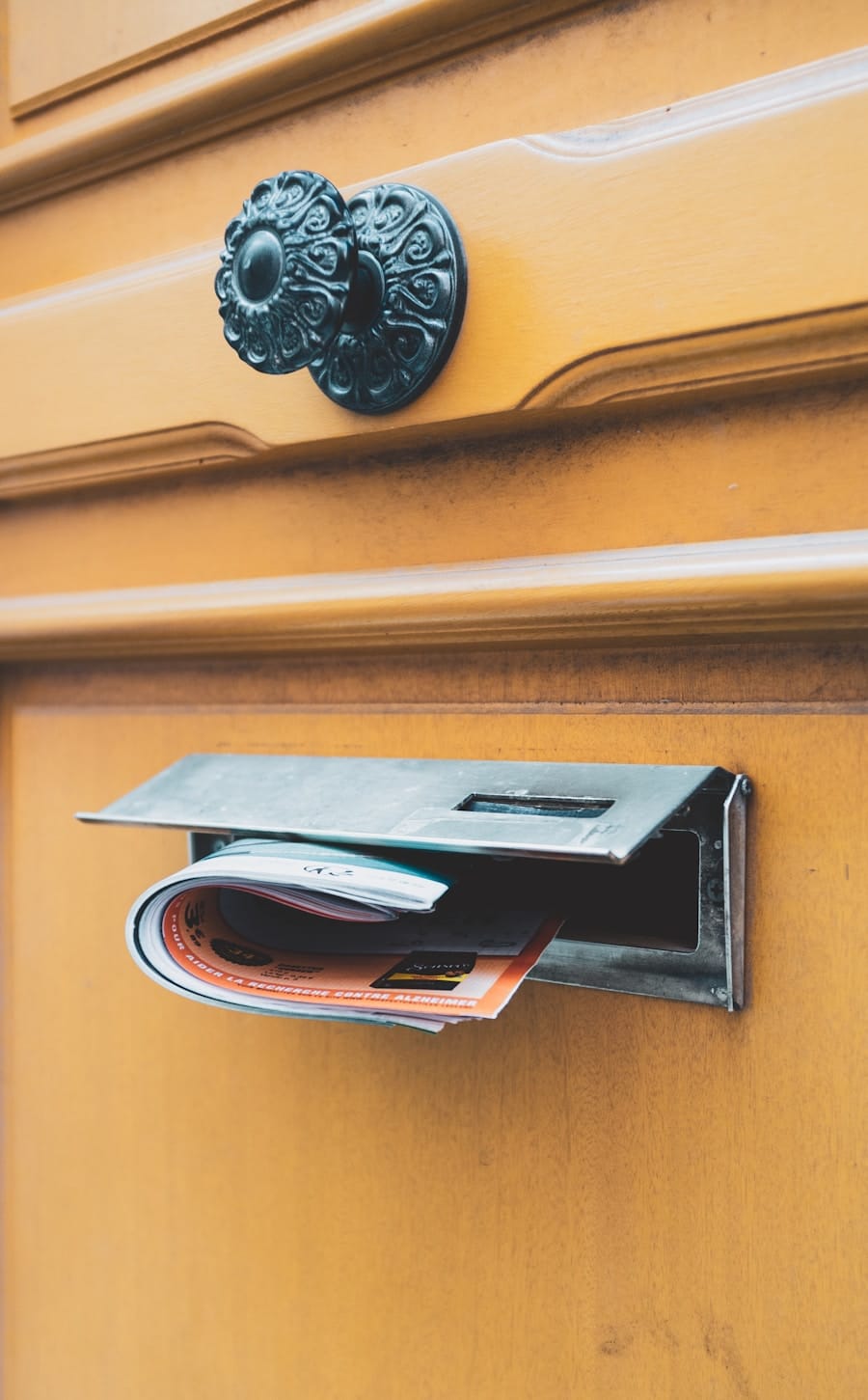
One of the most effective ways to prevent identity theft is by closely monitoring and managing who has access to your home. This includes not only family members but also service providers and guests. By utilizing smart locks and access control systems, you can easily grant or revoke access as needed.
For instance, if a contractor needs to enter your home for repairs, you can provide them with temporary access codes that expire after their visit. Additionally, keeping track of who enters and exits your home is essential for maintaining security. Many smart locks come with features that log entry times and user activity, allowing you to review who accessed your home and when.
This level of oversight helps you identify any unusual patterns or unauthorized entries that could indicate a potential threat to your identity.
Addressing Cybersecurity Threats with Your Security System
While physical security measures are crucial in protecting against identity theft, it’s equally important to address cybersecurity threats that can compromise your personal information online. Many modern security systems now include cybersecurity features designed to safeguard against hacking attempts and data breaches. For example, some systems offer encryption protocols that protect the data transmitted between devices and the monitoring center.
Moreover, integrating cybersecurity measures into your overall security strategy can help you stay ahead of potential threats. Regularly updating passwords for all connected devices and ensuring that software is up-to-date are essential practices for maintaining security. By being proactive about both physical and digital security measures, you create a comprehensive defense against identity theft that addresses all potential vulnerabilities.
Additional Steps to Safeguard Your Identity
In addition to implementing security systems and smart technology, there are several other steps you can take to further safeguard your identity. One effective measure is regularly monitoring your financial accounts for any unauthorized transactions or suspicious activity. Setting up alerts for large purchases or changes in account balances can help you catch potential fraud early on.
Another important step is shredding sensitive documents before disposing of them. Identity thieves often sift through trash bins looking for personal information that can be used for fraudulent purposes. By taking the time to shred documents containing sensitive data—such as bank statements or credit card offers—you reduce the risk of falling victim to identity theft.
In conclusion, protecting yourself from identity theft requires a multifaceted approach that combines physical security measures with digital safeguards. By understanding the risks associated with identity theft and implementing effective security systems—such as surveillance cameras, alarm systems, and smart home technology—you can create a secure environment for yourself and your personal information. Additionally, actively monitoring access to your home and addressing cybersecurity threats will further enhance your defenses against this pervasive issue.
Taking these steps will empower you to take control of your identity and ensure its safety in an increasingly complex world.
If you are interested in learning more about how reliable security services can enhance the safety of your home, check out the article Be Confident in Your Home’s Safety with Reliable Security Services. This article discusses the importance of having a dependable security system in place to protect your property and loved ones. It also highlights the various features and benefits of modern security systems that can help deter potential intruders and keep your home secure.
FAQs
What is identity theft?
Identity theft is the unauthorized use of someone’s personal information, such as their name, Social Security number, or credit card number, to commit fraud or other crimes.
How can a security system help protect against identity theft?
A security system can help protect against identity theft by providing surveillance and monitoring of your home or business, which can deter potential thieves from stealing sensitive documents or personal information.
What features should I look for in a security system to help protect against identity theft?
Look for security systems with features such as video surveillance, motion sensors, and 24/7 monitoring to help protect against identity theft. Additionally, consider systems with smart home integration and remote access to monitor your property from anywhere.
Can a security system prevent all forms of identity theft?
While a security system can help deter and detect certain types of identity theft, it cannot prevent all forms of identity theft. It is important to also take other precautions, such as shredding sensitive documents and monitoring your credit report regularly.
What should I do if I suspect my identity has been stolen?
If you suspect your identity has been stolen, you should immediately contact your financial institutions and credit bureaus to report the theft and take steps to protect your accounts. You should also consider filing a report with the Federal Trade Commission and local law enforcement.


