


In today’s world, security camera footage has become an indispensable tool for both individuals and businesses alike. You may not realize it, but the presence of security cameras can significantly deter criminal activity. When you see a camera, it often serves as a reminder that your actions are being monitored, which can lead to a decrease in unlawful behavior.
This is particularly true in high-traffic areas or places where valuable assets are stored. The mere existence of surveillance can create a sense of safety and security, not just for property owners but also for the general public. Moreover, security camera footage serves as a vital resource in the event of an incident.
Whether it’s a theft, vandalism, or any other crime, having recorded evidence can be crucial for law enforcement investigations. You might find it reassuring to know that this footage can provide clarity and context to events that may otherwise be misinterpreted. In many cases, it can help establish timelines and identify suspects, making it an essential component of modern security measures.
Key Takeaways
- Security camera footage is crucial for enhancing security measures and crime prevention.
- Proper installation of security cameras is essential for effective footage.
- Analyzing security camera footage helps in identifying suspicious activity and for investigative purposes.
- Security camera footage can have legal implications and impact insurance claims, so it’s important to protect privacy rights.
- Advancements in technology are leading to clearer and more detailed security camera footage, shaping the future of public safety.
How Security Camera Footage can Enhance Security Measures
When you think about enhancing your security measures, integrating security camera footage into your strategy is a logical step. These cameras not only monitor activities but also provide real-time alerts when suspicious behavior is detected. This means that you can respond promptly to potential threats, whether you’re at home or away.
The ability to access live feeds from your smartphone or computer allows you to keep an eye on your property from virtually anywhere, giving you peace of mind. Additionally, the integration of advanced analytics with security camera systems can further enhance your security measures. You may find it beneficial to utilize features such as motion detection, facial recognition, and license plate recognition.
These technologies can help you filter through hours of footage to pinpoint specific incidents or individuals of interest. By leveraging these capabilities, you can create a more proactive approach to security, ensuring that you are not just reacting to incidents but actively preventing them.
The Role of Security Camera Footage in Crime Prevention
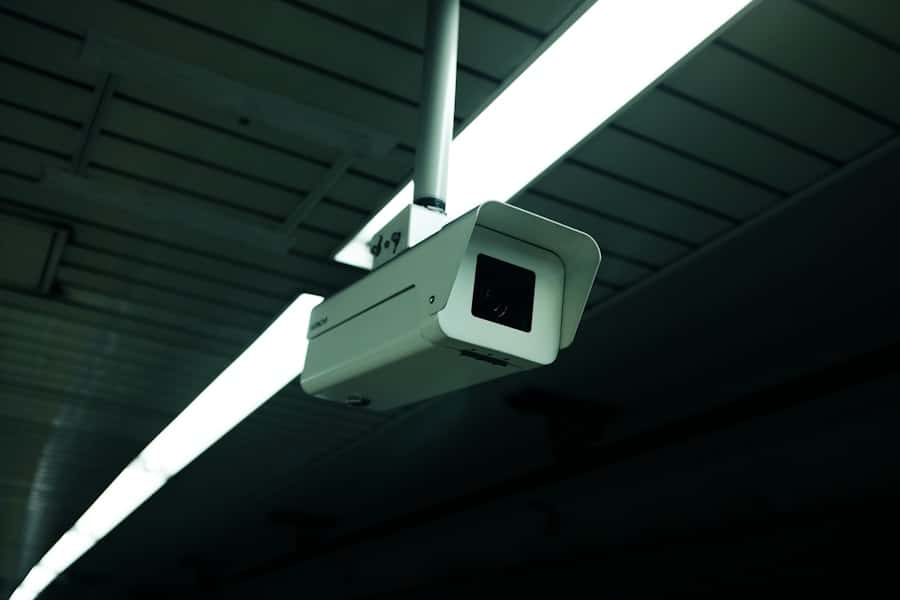
Security camera footage plays a pivotal role in crime prevention strategies. When you install cameras in and around your property, you send a clear message that you are vigilant and prepared to protect your assets. Criminals often seek out easy targets; knowing that they are being recorded can deter them from attempting any illicit activities in the first place.
This preventative aspect is particularly important for businesses, where the financial implications of theft or vandalism can be devastating. Furthermore, the presence of security cameras can foster a sense of community safety. When neighbors see that you have taken steps to secure your property, they may be inspired to do the same.
This collective effort can create a safer environment for everyone involved. You might even consider collaborating with local businesses or community organizations to share footage and information, further enhancing the overall security landscape in your area.
Understanding the Legal Implications of Using Security Camera Footage
While the benefits of security camera footage are clear, it’s essential to understand the legal implications associated with its use. You must be aware of privacy laws and regulations that govern surveillance in your area. For instance, recording audio without consent may be illegal in some jurisdictions, while others may have specific guidelines regarding where cameras can be placed.
Familiarizing yourself with these laws is crucial to ensure that you are compliant and avoid potential legal issues. Additionally, if you plan to use security camera footage for any purpose beyond personal use—such as sharing it with law enforcement or using it in court—you should be aware of the chain of custody requirements. Properly documenting how the footage was obtained and maintained is vital for its admissibility as evidence.
By understanding these legal aspects, you can confidently utilize security camera footage while respecting the rights of others.
Tips for Properly Installing Security Cameras for Effective Footage
To maximize the effectiveness of your security camera system, proper installation is key. You should start by assessing the areas that require monitoring and determining the best locations for your cameras. High-traffic areas, entry points, and blind spots are prime candidates for surveillance.
When positioning your cameras, consider factors such as lighting conditions and potential obstructions that could hinder visibility. Another important aspect is ensuring that your cameras are securely mounted and protected from tampering or vandalism. You might want to invest in weatherproof cameras if they will be placed outdoors, as well as protective housing to shield them from physical damage.
Additionally, regularly checking and maintaining your cameras will help ensure that they continue to function optimally over time. By taking these steps, you can enhance the quality of the footage captured and improve your overall security strategy.
Analyzing Security Camera Footage to Identify Suspicious Activity
Once your security cameras are installed and operational, the next step is analyzing the footage for any suspicious activity. You may find it helpful to set specific parameters for what constitutes “suspicious” behavior based on your unique circumstances. For example, loitering near entry points or unusual movements during off-hours could warrant further investigation.
By being proactive in reviewing footage regularly, you can catch potential threats before they escalate into more serious incidents. Utilizing advanced software tools can also streamline this process. Many modern security systems come equipped with features that allow for easy searching and sorting of footage based on specific criteria such as time stamps or motion detection alerts.
This means that instead of sifting through hours of video manually, you can quickly locate relevant clips that require your attention. By employing these techniques, you can enhance your ability to identify suspicious activity and take appropriate action when necessary.
Utilizing Security Camera Footage for Investigative Purposes
In the unfortunate event that a crime occurs on your property, having access to security camera footage can be invaluable for investigative purposes. You may need to provide this footage to law enforcement agencies as they work to solve the case. The clarity and detail captured by modern cameras can help investigators piece together what happened and identify suspects more effectively than eyewitness accounts alone.
Moreover, security camera footage can also serve as a critical resource for insurance claims. If you experience theft or damage to your property, having recorded evidence can substantiate your claims and expedite the claims process with your insurance provider. You might find it beneficial to keep a secure backup of important footage so that it remains accessible when needed most.
The Impact of Security Camera Footage on Insurance Claims
The presence of security camera footage can significantly impact insurance claims related to theft or property damage. When you file a claim, having video evidence can strengthen your case by providing concrete proof of what transpired during the incident. Insurance companies often require documentation to validate claims, and video footage serves as compelling evidence that can expedite the approval process.
Additionally, having a robust security system in place may even lead to lower insurance premiums over time. Insurers recognize that properties equipped with surveillance systems are less likely to experience losses due to crime, which could result in reduced risk for them. By investing in security cameras and utilizing their footage effectively, you not only protect your assets but also potentially save money on insurance costs.
Protecting Privacy Rights while Using Security Camera Footage
While security camera footage offers numerous benefits, it’s essential to balance these advantages with respect for privacy rights. You should be mindful of where you place cameras and ensure they do not infringe upon areas where individuals have a reasonable expectation of privacy, such as bathrooms or private residences nearby. Being transparent about your surveillance practices can also help alleviate concerns among neighbors or employees.
If you’re using security camera footage for purposes beyond personal use—such as sharing it with law enforcement or using it in public forums—it’s crucial to consider how this may affect individuals’ privacy rights. You might want to implement policies regarding data retention and access control to ensure that sensitive information is handled appropriately. By taking these steps, you can maintain a responsible approach to surveillance while still reaping its benefits.
Advancements in Technology for Clearer and More Detailed Security Camera Footage
The landscape of security camera technology has evolved dramatically over recent years, leading to clearer and more detailed footage than ever before. High-definition (HD) cameras now offer exceptional image quality, allowing you to capture fine details such as facial features or license plate numbers with ease. This level of clarity is invaluable when it comes to identifying suspects or documenting incidents accurately.
Additionally, advancements in artificial intelligence (AI) have enabled features like smart analytics and automated alerts based on specific behaviors detected in the footage. For instance, some systems can differentiate between people and vehicles or recognize unusual patterns of movement that may indicate suspicious activity. By leveraging these technological advancements, you can enhance your surveillance capabilities and improve overall security effectiveness.
The Future of Security Camera Footage and its Role in Public Safety
As technology continues to advance, the future of security camera footage looks promising in terms of enhancing public safety. You may soon see an increase in the integration of smart city initiatives where surveillance systems work collaboratively with other technologies—such as traffic management systems—to create safer urban environments. This interconnectedness could lead to quicker responses during emergencies and improved overall community safety.
Moreover, as public awareness regarding safety grows, so does the demand for transparency in surveillance practices. You might find that future developments will focus on balancing effective monitoring with ethical considerations surrounding privacy rights. As society navigates these complexities, security camera footage will undoubtedly play a crucial role in shaping how we approach safety and security in both private and public spaces moving forward.
In conclusion, security camera footage is an essential component of modern safety strategies for both individuals and businesses alike. By understanding its importance and implications while leveraging advancements in technology, you can create a more secure environment while respecting privacy rights and enhancing community safety.
Security camera footage plays a crucial role in enhancing the safety and security of homes by providing real-time monitoring and evidence collection. For those interested in bolstering their home security measures, an insightful article titled “Enhancing Home Security: The Key to Home Protection” offers valuable tips and strategies. This article delves into various aspects of home security, including the integration of security cameras, to ensure comprehensive protection. You can read more about these strategies by visiting the article at Enhancing Home Security: The Key to Home Protection.
FAQs
What is security camera footage?
Security camera footage refers to the recorded video and/or images captured by surveillance cameras installed in various locations for the purpose of monitoring and recording activities for security and safety purposes.
What are the common uses of security camera footage?
Security camera footage is commonly used for monitoring and recording activities in public places, businesses, homes, and other locations to deter crime, provide evidence in criminal investigations, and ensure the safety and security of people and property.
How is security camera footage stored?
Security camera footage is typically stored on digital video recorders (DVRs), network video recorders (NVRs), or cloud-based storage systems. The footage can be stored for a certain period of time before being overwritten or archived for future reference.
Privacy considerations related to security camera footage include the need to comply with laws and regulations governing the use of surveillance cameras, the protection of individuals’ privacy rights, and the secure handling and storage of sensitive footage to prevent unauthorized access and misuse.
How can security camera footage be accessed and reviewed?
Security camera footage can be accessed and reviewed by authorized personnel, such as security professionals, law enforcement officials, and property owners, through the use of monitoring systems, software applications, and remote access capabilities. Access to footage should be restricted to authorized individuals to maintain security and privacy.


