


Are you looking for a seamless and convenient smart home experience? If so, you may be wondering if it’s possible to integrate your home security system with other smart home devices. The answer is a resounding “yes!” By connecting your security system to other devices such as smart speakers, thermostats, and lights, you can create a cohesive and automated ecosystem that enhances the safety and comfort of your home. In this article, we will explore the benefits of integrating your home security system with other smart home devices, and how this integration can revolutionize your everyday life. Get ready to unlock the full potential of your smart home!

What is a Home Security System?
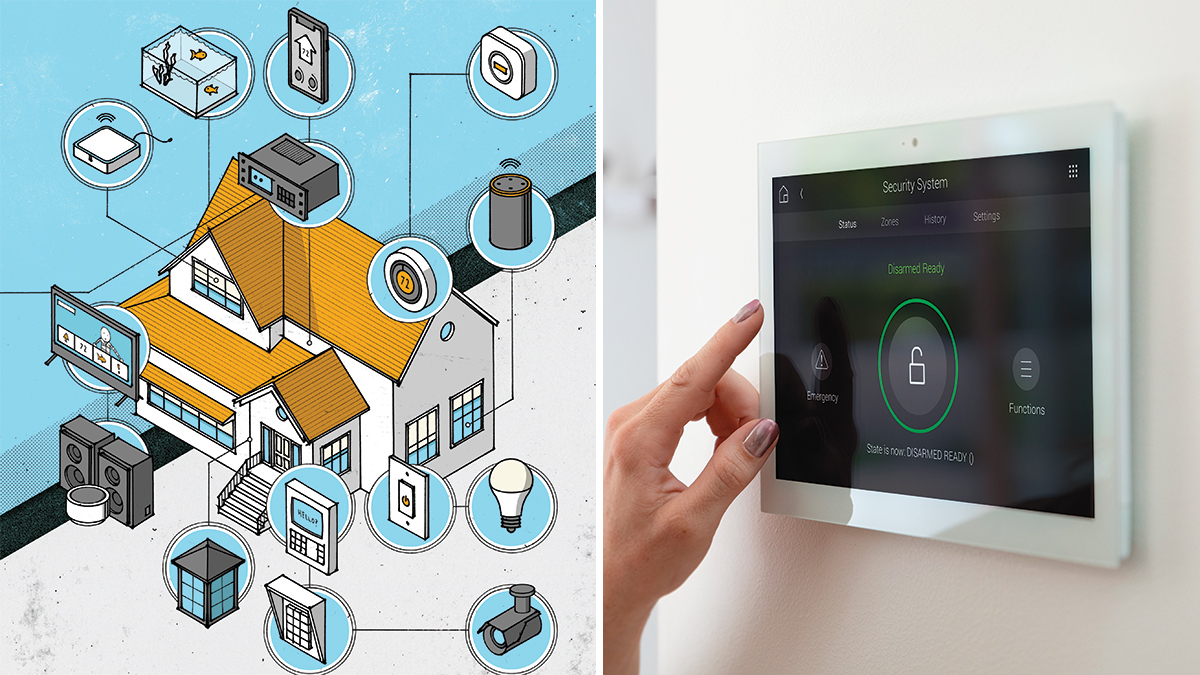
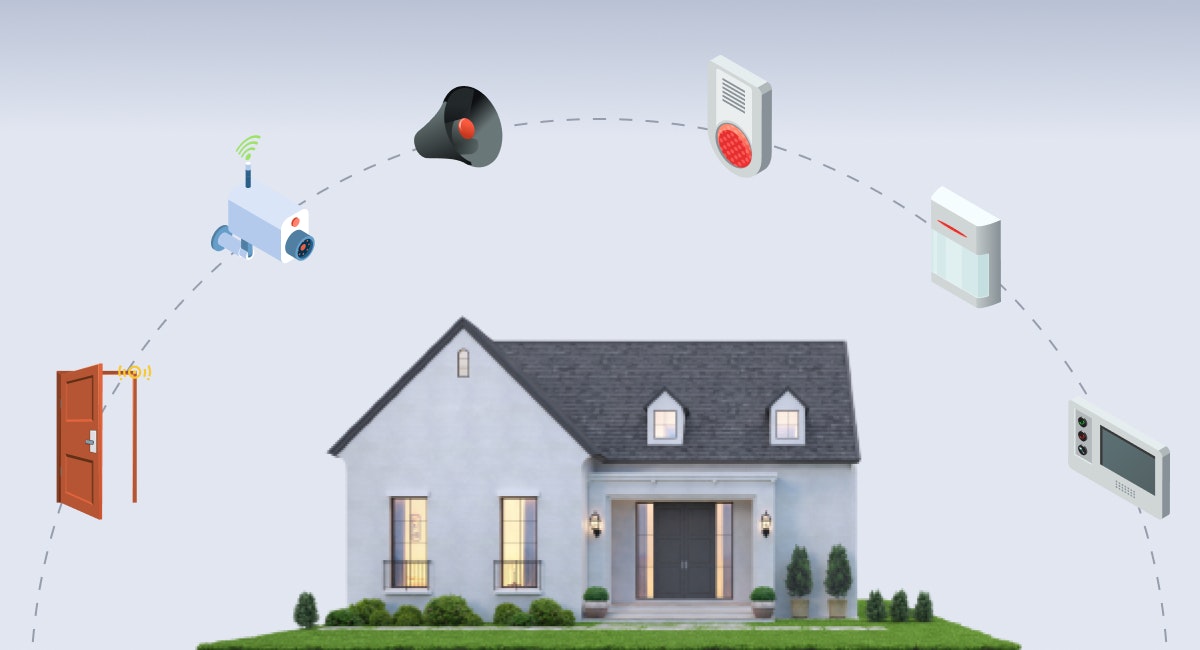
A home security system is a network of devices that are designed to protect your home from intruders, burglaries, and other threats. It consists of various components such as sensors, alarms, cameras, and control panels that work together to provide security and peace of mind for homeowners. The main functionality of a home security system is to detect and deter any unauthorized entry into your property and alert you or monitoring authorities in case of any suspicious activity.
Types of Home Security Systems
There are different types of home security systems available in the market, each offering various features and options to suit different needs and budgets. The most common types include:
1. Burglar Alarm Systems
Burglar alarm systems are the traditional and most basic type of home security systems. They consist of sensors that are placed on doors, windows, and other entry points. When a sensor is triggered, it sets off an audible alarm to alert homeowners or neighbors.
2. Surveillance Systems
Surveillance systems, also known as CCTV systems, include security cameras that monitor and record the activities happening in and around your home. These cameras can be placed both indoors and outdoors, providing visual evidence in case of any incidents or suspicious activities.
3. Access Control Systems
Access control systems enable you to control who has access to your home. They typically involve electronic locks, keypads, or biometric systems that require a specific credential, such as a PIN code or fingerprint, to unlock the doors. This can enhance the security by eliminating the risk of lost or stolen keys.
4. Monitoring Systems
Monitoring systems involve a professional monitoring service that keeps an eye on your home 24/7. When an alarm is triggered, the monitoring center is alerted, and they can dispatch emergency personnel or contact you to verify the situation. This type of system provides an extra layer of protection and peace of mind.
Advantages of Having a Home Security System
Having a home security system offers numerous advantages for homeowners. Here are some key benefits:
-
Protection and Deterrence: A home security system acts as a deterrent to potential intruders, significantly reducing the risk of break-ins and thefts. The mere presence of visible security cameras and alarm systems can make your home an unattractive target for criminals.
-
Peace of Mind: Knowing that your home is protected by a security system allows you to have peace of mind, especially when you are away for work, on vacation, or even when sleeping at night. You can rest assured that your property and loved ones are safe and secure.
-
Remote Monitoring and Control: Many modern home security systems offer remote monitoring and control features. This means you can monitor your home’s security cameras, receive alerts, and even control devices such as locks and lights from anywhere using your smartphone or a dedicated app.
-
Insurance Benefits: Installing a home security system can often lead to lower homeowner’s insurance premiums. Insurance providers often offer discounted rates to homes with security systems, as they are less likely to be targeted by thieves and are better equipped to handle emergencies.
-
Integration Possibilities: One of the significant advantages of a home security system is its compatibility and integration with other smart home devices. By integrating your security system, you can enhance its functionality and take advantage of additional features offered by smart home devices.
What are Smart Home Devices?
Smart home devices, also known as home automation devices or IoT (Internet of Things) devices, are electronic devices that are connected to the internet and can be controlled remotely or automated to perform specific tasks. These devices are designed to make your home more convenient, efficient, and comfortable.

Definition and Purpose
Smart home devices are designed to enhance the functionality and connectivity of your home. They can be controlled remotely through a smartphone app or voice commands, allowing you to manage various aspects of your home from anywhere in the world. The purpose of these devices is to simplify everyday tasks, improve energy efficiency, enhance security, and provide greater convenience to homeowners.
Examples of Smart Home Devices
There is a wide range of smart home devices available on the market. Here are some popular examples:
-
Smart Thermostats: Smart thermostats allow you to control and automate your home’s heating and cooling system. They learn your preferences, adjust the temperature based on your habits, and can be controlled remotely to ensure optimal comfort and energy savings.
-
Smart Locks: Smart locks eliminate the need for physical keys and provide enhanced security. They give you the ability to lock and unlock your doors remotely, grant temporary access to guests, and receive notifications when someone enters or leaves your home.
-
Smart Lighting: Smart lighting systems enable you to control and automate your home’s lighting. You can schedule lights to turn on and off at specific times, adjust brightness and color, and even control them using voice commands through virtual assistants like Google Assistant or Amazon Alexa.
-
Smart Cameras: Smart cameras or security cameras offer advanced features such as motion detection, live video streaming, and cloud storage. They provide an extra layer of security by allowing you to monitor your home in real-time and review recorded footage, all from your smartphone or computer.
Benefits of Using Smart Home Devices
Integrating smart home devices into your home security system can provide several benefits:
-
Convenience: Smart home devices offer convenience by allowing you to control various aspects of your home remotely. Whether it’s adjusting the thermostat, turning off the lights, or locking the doors, you can do it all with just a few taps on your smartphone.
-
Energy Efficiency: Smart thermostats, lighting systems, and other energy-saving devices can help reduce your utility bills by optimizing energy usage. You can automatically adjust temperature settings, schedule lights to turn off when no one is in the room, and even receive energy consumption reports.
-
Enhanced Security: Integrating smart home devices with your security system adds an extra layer of security. You can receive instant alerts on your smartphone if a door or window is opened, monitor security cameras in real-time, and even remotely arm or disarm the security system when needed.
-
Customization and Automation: Smart home devices allow for customization and automation of various tasks. You can create personalized schedules and routines to automate actions like turning on the lights when you arrive home or adjusting the temperature as per your preferences.
-
Peace of Mind: Knowing that your home is protected by an integrated system of smart devices can bring you peace of mind. You can monitor your home, receive alerts for any unusual activity, and have greater control over the security and functionality of your living space.
The Convenience of Integration
Integrating your home security system with smart home devices can provide a seamless and convenient experience. It allows you to have centralized control over various aspects of your home’s security and automation through a single platform or app.

How Integration Enhances the Home Security System
Integrating your home security system with smart home devices enhances its functionality in several ways:
-
Centralized Control: Integration allows you to control your security system, cameras, locks, and other devices from a single app or interface. This eliminates the need for multiple apps and simplifies the management of your smart home ecosystem.
-
Automation: By integrating devices, you can create automation scenarios. For example, you can program your security system to automatically arm itself when you leave home, simultaneously lock all doors, and turn off the lights.
-
Enhanced Notifications: Integration enables you to receive comprehensive notifications. You can receive immediate alerts on your smartphone if a sensor is triggered or if suspicious activity is detected by your security cameras.
-
Interconnected Features: Integrating devices allows for interconnected features. For instance, you can program your security system to turn off all lights when you arm it in “away” mode or automatically unlock the front door when you disable the system using a PIN code.
Benefits of Integrating Home Security System with Smart Home Devices
-
Seamless Experience: Integration provides a seamless experience by combining the functionality of your security system and other smart home devices. You can easily control, automate, and monitor everything from a single interface, simplifying your daily routine.
-
Advanced Security Features: Integrating devices allows you to take advantage of advanced security features. For example, when your security system detects an intruder, it can automatically trigger the security cameras to start recording or activate alarms and strobe lights to scare off potential burglars.
-
Increased Control: Integration offers increased control over your home environment. You can adjust lighting levels, temperature settings, and even open or close blinds remotely, enhancing both security and energy efficiency.
-
Enhanced Energy Savings: Integrating devices like smart thermostats, lighting systems, and appliance control can help optimize energy usage. You can automatically adjust temperature settings and lighting based on occupancy, resulting in significant energy savings.
-
Flexibility and Expandability: Integrating your security system with smart home devices provides flexibility and expandability. You can start with basic integration and gradually add more devices and features as per your needs and budget.
Compatible Smart Home Devices
Not all smart home devices can be integrated with home security systems. However, there are several types of devices that can seamlessly integrate and enhance the functionality of your security system:
1. Smart Locks
Smart locks can be integrated with your home security system to enable remote control and monitoring of your door locks. They offer features like automatic locking, temporary access codes, and real-time alerts, providing an additional layer of security to your home.
2. Smart Lighting
Smart lighting systems can be integrated with your security system to automate lighting based on certain triggers. For example, your lights can turn on automatically when your security system is armed or when motion is detected, giving a perception of occupancy and deterring potential intruders.
3. Smart Thermostats
Smart thermostats can communicate with your security system to adjust temperature settings based on occupancy and alarm status. They can automatically adjust temperature settings when you arm or disarm your security system, helping you save energy without compromising comfort.
4. Security Cameras
Integrating security cameras with your home security system allows for seamless monitoring and recording of footage. You can access live video feeds, receive motion-triggered alerts, and review recorded footage directly from your security system’s app or interface.
5. Motion Sensors
Motion sensors are commonly used in home security systems to detect any movement and trigger alarms. These sensors can also be integrated with other smart home devices to automate actions like turning on lights or triggering cameras when motion is detected.
Popular Brands that Offer Integration
Several popular brands offer compatible smart home devices that can seamlessly integrate with home security systems. Some of these brands include:
-
Ring: Ring offers a wide range of smart security products, including video doorbells, indoor/outdoor cameras, and alarm systems that can be integrated with other compatible devices.
-
Nest: Nest provides smart thermostats, cameras, and doorbell systems that can be integrated with their security systems and other Nest-compatible devices.
-
August: August specializes in smart locks and doorbell cameras that offer easy integration with various home security systems and other smart home devices.
-
Arlo: Arlo offers a range of wireless security cameras that can be integrated with home security systems, providing enhanced monitoring capabilities.
-
Honeywell: Honeywell provides a wide selection of security systems and smart home devices that are designed to work seamlessly together, allowing you to create a customized and integrated system.
Methods of Integration
There are several methods and protocols used for integrating home security systems with smart home devices. The choice of integration method depends on the compatibility and functionality of the devices being used. Some common integration methods include:
1. Z-Wave
Z-Wave is a wireless communication protocol specifically designed for home automation devices. It allows devices to communicate with each other and be controlled remotely. Many home security systems and smart home devices support Z-Wave integration, making it a popular choice for seamless integration.
2. Wi-Fi
Wi-Fi integration is another common method used to connect and control smart home devices. Most smart home devices and security systems have built-in Wi-Fi capabilities, allowing them to connect to your home network and be controlled through apps or voice commands.
3. Bluetooth
Bluetooth integration is often used for short-range communication between devices. It is commonly used for connecting smartphones, tablets, and other mobile devices to smart home devices. Some security systems and devices support Bluetooth integration, providing easy connectivity and control.
4. Other Protocols and Gateways
There are various other protocols and gateways available that enable integration between home security systems and smart home devices. These include Zigbee, Insteon, and proprietary protocols offered by specific manufacturers. Compatibility between devices is essential when using these methods of integration.
Considerations for Integration
When integrating your home security system with smart home devices, there are several factors and considerations to keep in mind:
1. Compatibility of Devices and Systems
Ensure that the smart home devices you choose are compatible with your home security system. Check the manufacturers’ specifications and compatibility lists to ensure seamless integration. Incompatibility can result in limited functionality or even failure to communicate between devices.
2. Installation and Setup Process
Consider the installation and setup process required for integrating devices. Some devices may require professional installation, while others can be set up easily by homeowners. Make sure you have a clear understanding of the installation process and any additional equipment or wiring requirements.
3. Smart Home Hub Requirement
Check if your smart home devices require a central hub or controller for integration. Some devices rely on a centralized hub to communicate with other devices and the security system. Ensure compatibility and consider the additional cost and complexity of setting up a smart home hub if required.
4. Cost Considerations
Consider the cost of integrating your home security system with smart home devices. Some devices and systems may require additional hardware or subscription fees for advanced features. Evaluate your budget and the long-term benefits of integration to make an informed decision.
Key Integration Features
When integrating your home security system with smart home devices, several key features can enhance your overall experience:
1. Remote Access and Control
Integration enables remote access and control of your security system and smart home devices through a smartphone or tablet. You can arm or disarm your security system, control locks and lights, and monitor cameras from anywhere at any time.
2. Automation and Customization
Integration allows for automation and customization of various tasks. You can create personalized schedules, routines, and scenarios that automate actions based on specific triggers or events. For example, you can set your security system to automatically arm when everyone leaves the house.
3. Smart Notifications and Alerts
Integration enables you to receive real-time notifications and alerts on your smartphone or other devices. You can be instantly notified of any security breaches, motion detection, or other events, allowing you to take immediate action.
4. Camera Integration
Integrating security cameras with your home security system allows for seamless access to live video feeds and recorded footage. You can monitor your home in real-time, review footage remotely, and receive alerts if suspicious activity is detected.
Challenges and Solutions
Integrating home security systems with smart home devices can sometimes present challenges. Here are some common challenges and possible solutions:
1. Interference and Connectivity Issues
Interference from other devices or physical barriers can affect the connectivity and communication between devices. To overcome this, ensure that devices are placed within the recommended range of each other and use wireless repeaters or extenders if necessary.
2. Security and Privacy Concerns
Integrating devices raises concerns about the security and privacy of your data. Ensure that all devices and systems used are from reputable manufacturers and follow best practices for securing your home network. Regularly update firmware and passwords to safeguard against potential vulnerabilities.
3. DIY Integration vs. Professional Installation
Some integration methods and devices may require professional installation to ensure proper setup and functionality. Consider your technical skills and comfort level when choosing between DIY integration and professional installation. Professional installation can ensure optimal performance and minimize the risk of compatibility issues.
4. Troubleshooting and Technical Support
In case of any issues or system malfunctions, having access to reliable technical support can be crucial. Check the availability of customer support from the manufacturers or service providers before integrating devices, ensuring prompt assistance if needed.
Examples of Integration
Integrating your home security system with smart home devices can open up a range of possibilities. Here are some examples of popular integration scenarios:
1. Home Security System and Smart Locks
Integrating your home security system with smart locks allows you to remotely lock or unlock your doors, receive real-time notifications when someone enters or exits your home, and even grant temporary access to guests or service providers.
2. Home Security System and Smart Lighting
Integrating your home security system with smart lighting enables you to automate lighting based on security events. For example, when your security system is armed, the lights can turn off to simulate occupancy, or when motion is detected, specific lights can turn on to illuminate the area.
3. Home Security System and Smart Thermostat
Integrating your home security system with a smart thermostat allows for temperature adjustments based on occupancy and security status. For instance, you can program your thermostat to lower the temperature when the security system is armed and raise it when it is disarmed.
4. Home Security System and Security Cameras
Integrating your security cameras with your home security system provides seamless monitoring and surveillance capabilities. You can access live video feeds, receive motion-triggered alerts, and review recorded footage, all from the same interface or app.
Future Trends in Integration
The integration of home security systems with smart home devices is continually evolving with advancements in technology. Here are some future trends to look out for:
1. Advancements in Technology
As technology advances, home security systems and smart home devices will become more sophisticated and interconnected. Improved sensors, advanced AI capabilities, and seamless integration will enhance the overall security and convenience of smart homes.
2. Emerging Integration Standards and Platforms
Standardization of integration protocols and platforms will lead to greater compatibility between different devices and systems. This will allow homeowners to mix and match devices from various manufacturers, creating truly connected and interoperable smart home ecosystems.
3. Expansion of Compatible Devices
The range of compatible smart home devices will continue to expand, offering more options for homeowners seeking to enhance their security systems. From smart appliances to voice-controlled devices, the integration possibilities will grow, allowing for greater customization and convenience.
In conclusion, integrating your home security system with smart home devices offers numerous benefits, including enhanced security, convenience, and energy efficiency. By combining the functionality of your security system with devices such as smart locks, lighting, thermostats, and cameras, you can create a seamless and comprehensive smart home ecosystem. As technology advances and integration standards evolve, the integration possibilities will continue to expand, providing homeowners with even more options to enhance their home security and overall living experience.


