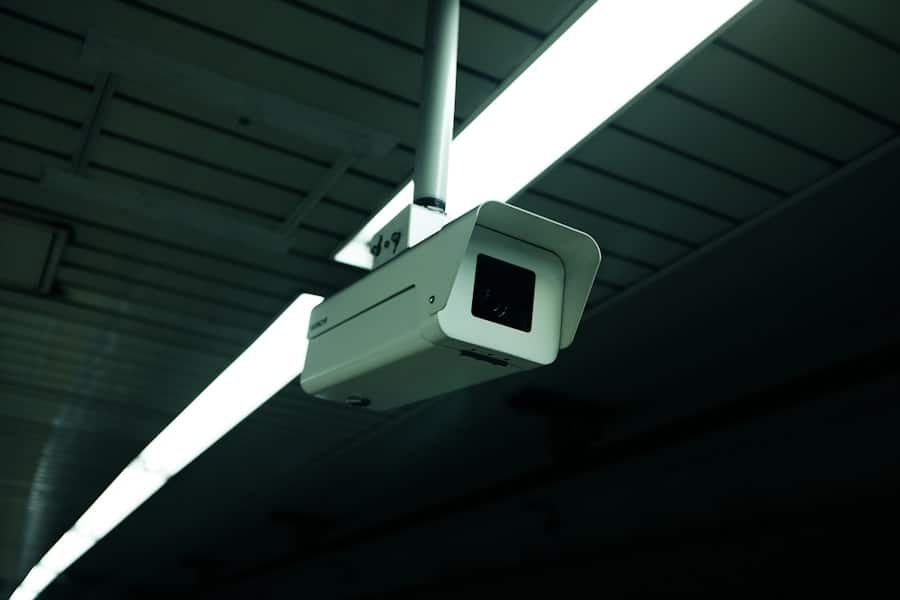
In today’s world, security cameras have become an integral part of both residential and commercial environments. You may have noticed their presence in various locations, from retail stores to office buildings, and even in your neighborhood. These devices serve a dual purpose: they deter criminal activity and provide valuable evidence in the event of an incident.
As you navigate through your daily life, the omnipresence of these cameras can evoke a sense of safety, but they also raise important questions about privacy and transparency. The technology behind security cameras has evolved significantly over the years. You might be familiar with traditional analog systems, but now digital cameras equipped with high-definition capabilities, night vision, and remote access features are commonplace.
This advancement allows you to monitor your property in real-time from anywhere in the world. However, with this increased capability comes a responsibility to inform visitors about the presence of these cameras, ensuring that their rights are respected while maintaining a secure environment.
Key Takeaways
- Security cameras are an important tool for maintaining safety and security in various settings.
- Legal requirements for informing visitors about security cameras vary by location and should be carefully considered.
- Ethical considerations for informing visitors about security cameras include respecting their privacy and autonomy.
- Best practices for notifying visitors about security cameras include clear signage and transparent communication.
- Types of notification methods for security cameras include verbal announcements, written notices, and digital displays.
Legal Requirements for Informing Visitors
When it comes to the legal landscape surrounding security cameras, you must be aware that laws can vary significantly depending on your location. In many jurisdictions, there are specific regulations that require property owners to inform visitors about surveillance systems. This is particularly true in public spaces where individuals have a reasonable expectation of privacy.
You may find that failing to comply with these legal requirements can lead to serious consequences, including fines or legal action. In some regions, signage indicating the presence of security cameras is not just a best practice; it is a legal obligation. You should familiarize yourself with local laws to ensure compliance.
For instance, in certain states, you may be required to post clear and visible notices that inform individuals they are being recorded. By taking these legal requirements seriously, you not only protect yourself from potential liabilities but also foster trust with those who enter your premises.
Ethical Considerations for Informing Visitors

Beyond legal obligations, ethical considerations play a crucial role in how you approach the use of security cameras. You may feel that installing surveillance systems is justified for safety reasons, but it is equally important to consider the impact on individuals’ privacy. Ethical practices dictate that you should be transparent about your surveillance efforts, allowing visitors to make informed decisions about their presence on your property.
You might ponder the implications of surveillance on personal freedoms and the potential for misuse of recorded footage. By openly communicating about the existence of security cameras, you demonstrate respect for individuals’ rights and foster a culture of accountability. This transparency can enhance your reputation and build trust within your community, as people are more likely to feel comfortable knowing they are being monitored for their safety rather than being subjected to invasive surveillance.
Best Practices for Notifying Visitors about Security Cameras
When it comes to notifying visitors about security cameras, adopting best practices can make a significant difference in how your message is received. One effective approach is to use clear and concise signage that is easily visible upon entry to your property. You should ensure that the signs are placed strategically so that they catch the attention of anyone approaching the area.
This proactive measure not only informs visitors but also serves as a deterrent to potential wrongdoers. In addition to physical signage, consider incorporating digital notifications as part of your strategy. If you operate a website or social media channels, you can include information about your security measures online.
This not only reaches visitors before they arrive but also reinforces your commitment to transparency. By combining various notification methods, you create a comprehensive approach that ensures everyone is aware of the surveillance measures in place.
Types of Notification Methods for Security Cameras
There are several effective methods for notifying visitors about security cameras, each with its own advantages. One common method is the use of physical signs placed at entrances or strategic locations throughout your property. These signs should clearly state that surveillance is in operation and may include additional information such as the purpose of the cameras and how footage may be used.
Another method involves utilizing technology to enhance communication. For instance, if you have a website or mobile app associated with your business or property, you can include notifications about security cameras in your terms of service or privacy policy. Additionally, consider sending out newsletters or updates to regular visitors or customers informing them about your security measures.
This multi-faceted approach ensures that individuals are well-informed before they even set foot on your premises.
Potential Consequences for Not Informing Visitors
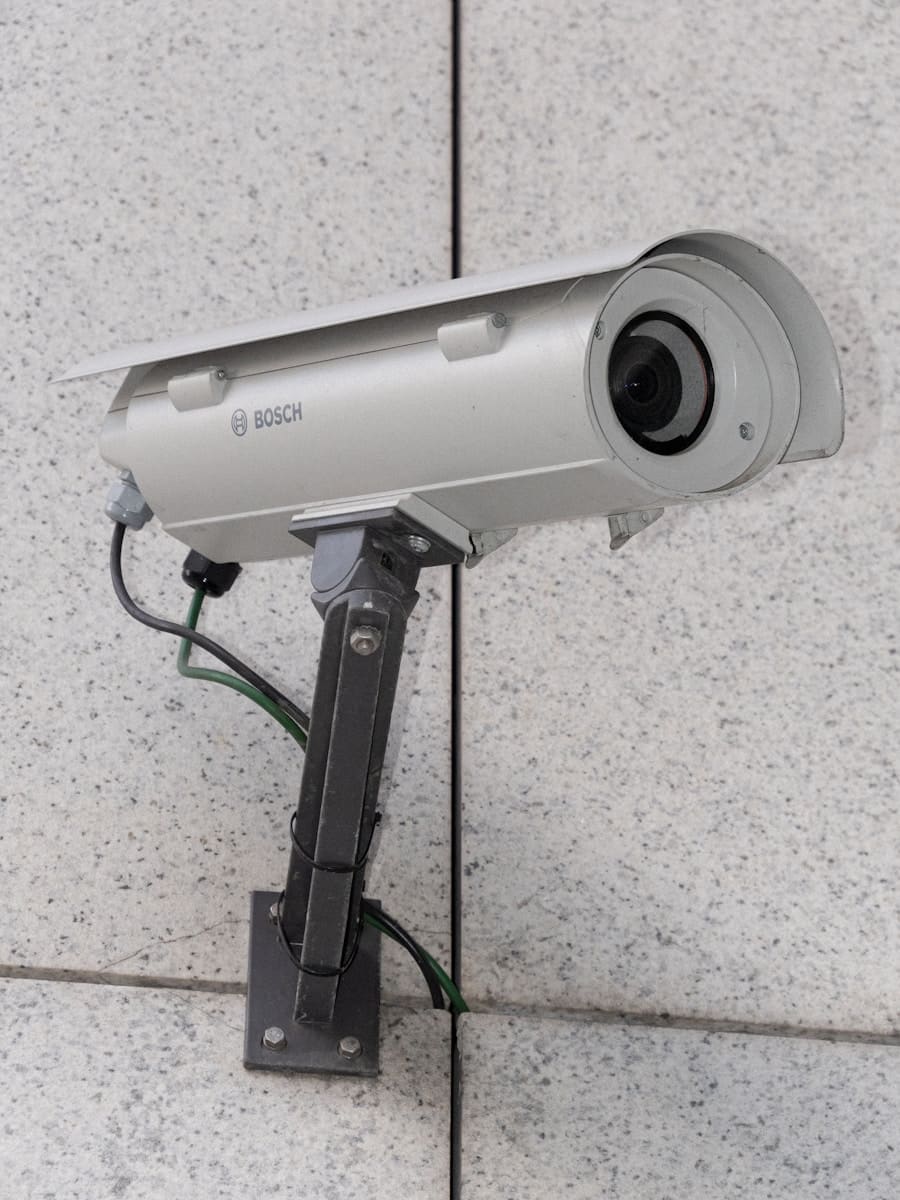
Neglecting to inform visitors about security cameras can lead to a range of negative consequences that you should carefully consider. First and foremost, there is the risk of legal repercussions. If someone feels their privacy has been violated due to undisclosed surveillance, they may pursue legal action against you.
This could result in costly fines or settlements that could have been easily avoided through proper notification. Moreover, failing to communicate about security measures can damage your reputation and erode trust within your community. Visitors who feel surveilled without their knowledge may perceive your establishment as unwelcoming or invasive.
This perception can lead to negative word-of-mouth and deter potential customers or clients from engaging with your business. By proactively informing individuals about security cameras, you not only mitigate legal risks but also foster a positive environment where people feel respected and valued.
Balancing Security and Privacy Concerns
As you navigate the complexities of security camera usage, finding a balance between security needs and privacy concerns is essential. On one hand, you want to ensure the safety of your property and those who enter it; on the other hand, you must respect individuals’ rights to privacy. This delicate balance requires thoughtful consideration and open communication.
One way to achieve this balance is by being selective about where you place cameras and what areas they monitor. You should avoid placing cameras in private spaces such as restrooms or changing areas where individuals have a heightened expectation of privacy. By being mindful of camera placement and openly discussing your surveillance policies with visitors, you can create an environment that prioritizes safety while respecting personal boundaries.
Conclusion and Recommendations for Informing Visitors about Security Cameras
In conclusion, informing visitors about security cameras is not just a legal requirement; it is an ethical obligation that fosters trust and transparency. As you implement security measures on your property, take the time to understand the legal landscape surrounding surveillance and consider the ethical implications of your actions. By adopting best practices for notification and utilizing various communication methods, you can effectively inform individuals about the presence of security cameras.
Ultimately, balancing security needs with privacy concerns is key to creating a safe and welcoming environment for everyone who enters your premises. By being proactive in your communication efforts and respecting individuals’ rights, you can enhance both security and community trust. As you move forward with your surveillance strategies, remember that transparency is not just a policy; it is a commitment to fostering a respectful relationship with those who visit your property.
If you are considering installing security cameras in your vacation home, you may also want to read the article Secure Vacation Homes: Protecting Your Getaway Retreat. This article provides valuable tips on how to secure your vacation property and ensure peace of mind while you are away. Additionally, for more information on home protection in general, check out the article Securing Your Home: A Guide to Home Protection. It offers a comprehensive guide on how to safeguard your home from potential threats. Investing in home protection measures is crucial, as discussed in the article Investing in Home Protection: Worthwhile Measures, which highlights the importance of taking proactive steps to protect your property and loved ones.
FAQs
What are security cameras?
Security cameras are devices that are used to monitor and record activities in a specific area. They are commonly used for surveillance and security purposes in both residential and commercial settings.
Do I need to inform visitors about security cameras?
In most places, it is a legal requirement to inform visitors about the presence of security cameras. This is to ensure transparency and respect for privacy laws. Failure to inform visitors about security cameras may result in legal consequences.
Where should I place signs about security cameras?
Signs about the presence of security cameras should be placed in clearly visible locations, such as entrances and other areas where visitors are likely to enter. The signs should be easily noticeable and provide clear information about the use of security cameras on the premises.
What should the signs about security cameras include?
Signs about security cameras should include information about the presence of cameras, the purpose of their use (e.g. surveillance and security), and contact information for the responsible party or organization. The signs should also be written in a clear and easily understandable language.