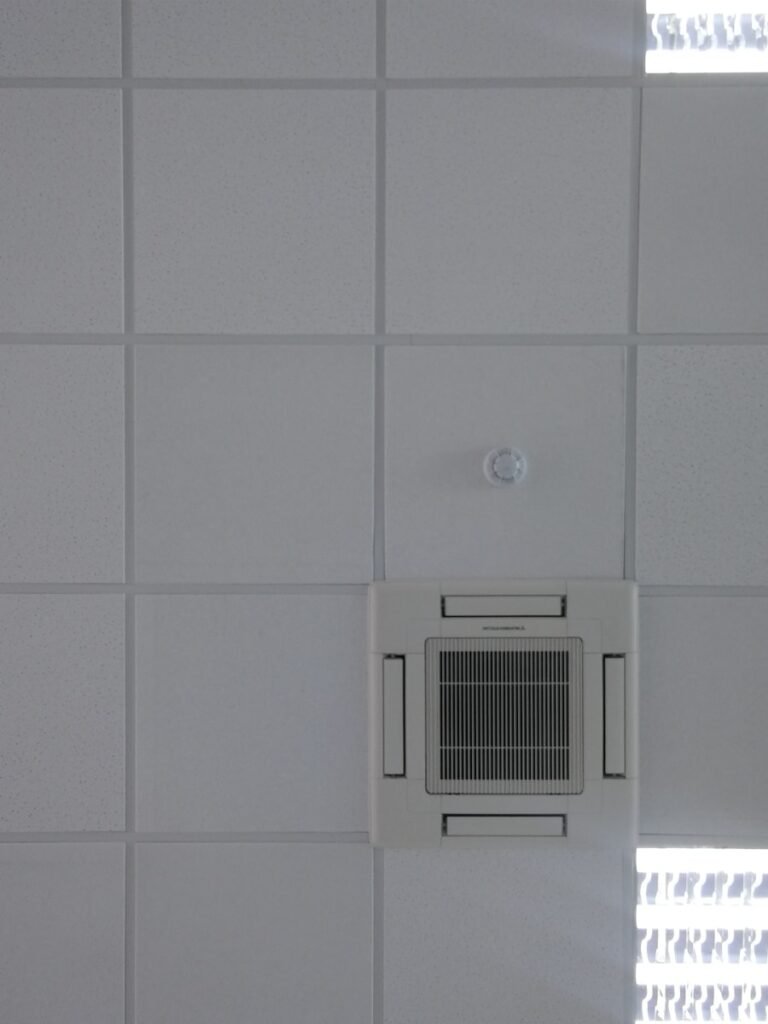
Motion sensors are devices designed to detect movement within a specified area. They have become increasingly prevalent in various applications, from home security systems to smart lighting solutions. As you delve into the world of motion sensors, you will discover that they play a crucial role in enhancing safety, convenience, and energy efficiency.
By understanding how these devices function and their various applications, you can make informed decisions about incorporating them into your environment. At their core, motion sensors are designed to respond to physical movement. This can include anything from a person walking through a room to an animal crossing a yard.
The technology behind these sensors has evolved significantly over the years, leading to more sophisticated and reliable devices. As you explore the different types of motion sensors available, you will find that they utilize various technologies to detect movement, each with its unique advantages and limitations. Understanding these nuances will empower you to choose the right sensor for your specific needs.
Key Takeaways
- Motion sensors detect movement and are commonly used for security and automation purposes.
- They work by detecting changes in infrared radiation, ultrasonic waves, or microwaves caused by movement.
- There are different types of motion sensors including passive infrared (PIR), ultrasonic, and microwave sensors.
- Motion sensors have limitations such as blind spots, limited range, and susceptibility to false alarms.
- Motion sensors can work through walls depending on the type and material of the wall, but their effectiveness may be reduced.
- Factors affecting motion sensor performance include temperature, sensitivity settings, and placement.
- Tips for maximizing motion sensor effectiveness include proper placement, adjusting sensitivity, and regular maintenance.
- Alternatives to motion sensors include video surveillance, glass break sensors, and vibration detectors.
How Motion Sensors Work
How Motion Sensors Work
The underlying technology varies depending on the type of sensor, but the fundamental principle remains the same: detecting movement and responding accordingly.
Passive Infrared (PIR) Sensors
PIR sensors work by measuring the infrared radiation emitted by objects in their vicinity. When a warm body, such as a human or animal, enters the sensor’s field of view, it causes a change in the infrared levels detected by the sensor. This change is what prompts the sensor to activate its response mechanism.
Microwave Sensors
On the other hand, microwave sensors emit microwave signals and measure the reflection of those signals off moving objects. This allows them to detect motion even through walls or other obstacles, making them suitable for various applications.
Types of Motion Sensors

There are several types of motion sensors available on the market today, each designed for specific applications and environments. Passive infrared (PIR) sensors are among the most common types used in residential security systems. They are cost-effective and efficient for detecting human movement within a defined area.
As you consider your options, you may also encounter ultrasonic sensors, which use sound waves to detect motion. These sensors are particularly effective in larger spaces where PIR sensors may struggle to cover the entire area. Another type of motion sensor is the dual-technology sensor, which combines both PIR and microwave technologies.
This hybrid approach enhances detection accuracy and reduces false alarms by requiring both technologies to trigger before activating a response. Additionally, there are photoelectric sensors that rely on light beams to detect movement. These sensors are often used in outdoor applications, such as driveway alarms or security lighting, where they can effectively monitor large areas.
Limitations of Motion Sensors
While motion sensors offer numerous benefits, they are not without their limitations. One significant drawback is their susceptibility to false alarms. Factors such as pets moving within the sensor’s range or environmental changes like wind can trigger unnecessary alerts.
This can lead to frustration and may cause users to disable the system altogether, undermining its intended purpose of enhancing security. Another limitation is the range and sensitivity of motion sensors. Depending on the type and model, some sensors may have a limited detection range or may not be able to accurately detect movement in certain conditions, such as low light or extreme temperatures.
Additionally, obstacles like furniture or walls can obstruct the sensor’s field of view, reducing its effectiveness. As you evaluate motion sensors for your needs, it’s essential to consider these limitations and choose devices that align with your specific requirements.
Can Motion Sensors Work Through Walls?
One common question regarding motion sensors is whether they can detect movement through walls or other solid barriers. The answer largely depends on the type of sensor being used. Microwave sensors have an advantage in this regard; they can penetrate walls and other obstacles due to their ability to emit microwave signals that travel through various materials.
This makes them suitable for applications where detection through barriers is necessary. However, passive infrared (PIR) sensors do not share this capability. They rely on detecting infrared radiation emitted by warm bodies, which cannot pass through walls or solid objects.
Therefore, if you’re considering using motion sensors in areas where walls may obstruct detection, it’s crucial to choose the right type of sensor based on your specific needs and environment.
Factors Affecting Motion Sensor Performance
Several factors can influence the performance of motion sensors, impacting their effectiveness in detecting movement accurately. One primary factor is environmental conditions. Temperature fluctuations can affect how well a sensor detects infrared radiation; for example, if the ambient temperature is too close to that of a human body, it may struggle to differentiate between background noise and actual movement.
Additionally, the placement of motion sensors plays a critical role in their performance. If a sensor is installed too high or too low, or if it faces obstructions like furniture or plants, its ability to detect movement may be compromised. Furthermore, the sensitivity settings of the sensor can also affect its performance; if set too high, it may trigger false alarms from minor movements like falling leaves or passing cars.
Tips for Maximizing Motion Sensor Effectiveness
To ensure that your motion sensors operate at peak performance, consider implementing several best practices during installation and use. First and foremost, proper placement is key. Position your sensors in areas where they have an unobstructed view of potential movement zones while avoiding direct exposure to sunlight or heat sources that could interfere with their operation.
Adjusting sensitivity settings can also enhance performance. Many modern motion sensors come with adjustable sensitivity levels that allow you to fine-tune their responsiveness based on your environment. If you find that your sensor frequently triggers false alarms due to pets or environmental factors, consider lowering its sensitivity to reduce unnecessary alerts.
Regular maintenance is another essential aspect of maximizing motion sensor effectiveness. Dust and debris can accumulate on sensors over time, potentially hindering their performance. Periodically cleaning your devices and checking for any obstructions will help maintain their functionality and ensure they continue to operate as intended.
Alternatives to Motion Sensors
While motion sensors are highly effective for various applications, there are alternative technologies worth considering depending on your specific needs. One such alternative is video surveillance systems equipped with advanced analytics capabilities. These systems can provide real-time monitoring and alert you to unusual activity while offering visual evidence if needed.
Another option is pressure-sensitive mats or pads that detect weight changes when someone steps on them. These devices can be particularly useful in entryways or high-traffic areas where traditional motion sensors may not be as effective due to obstructions or environmental factors. Smart home technology also offers alternatives such as door/window sensors that alert you when a door or window is opened or closed.
These devices can complement motion sensors by providing additional layers of security and monitoring capabilities tailored to your lifestyle. In conclusion, understanding motion sensors involves exploring their functionality, types, limitations, and alternatives available in today’s market. By familiarizing yourself with these aspects, you can make informed decisions about how best to utilize motion sensors in your home or business environment while maximizing their effectiveness and reliability.
If you are interested in learning more about home security systems and how they can protect your property, check out this informative article on home security system services in Fresno, California. This article discusses the various features and benefits of modern security systems, including motion sensors, and how they can help keep your home safe. It also provides valuable tips on choosing the right security system for your needs.
FAQs
What are motion sensors?
Motion sensors are devices that detect movement in their surrounding environment. They are commonly used in security systems, automatic lighting, and smart home devices.
How do motion sensors work?
Motion sensors work by detecting changes in infrared radiation, microwaves, or sound waves in their environment. When movement is detected, the sensor triggers a response, such as turning on a light or sounding an alarm.
Do motion sensors work through walls?
In general, most motion sensors are not designed to work through walls. Walls can block or weaken the signals that the sensors rely on to detect movement.
Are there motion sensors that can work through walls?
There are some specialized motion sensors, such as long-range radar sensors, that are designed to work through walls. However, these sensors are not commonly used in typical home or commercial applications.
What factors can affect the ability of motion sensors to work through walls?
The material and thickness of the walls, as well as any obstructions or interference in the environment, can affect the ability of motion sensors to work through walls. Additionally, the type of technology used in the sensor (infrared, microwave, etc.) can also impact its ability to penetrate walls.