


Picture this: a sudden power outage leaves your neighborhood in darkness. Without warning, a severe storm begins to flood the surrounding streets. As panic sets in, you frantically search for your loved ones, unsure of their whereabouts or how to keep them safe. In moments like these, having a well-thought-out family safety plan becomes more than just a mere precaution – it becomes a lifeline. In this article, you will discover the vital steps to take in order to build an effective emergency preparedness plan, ensuring that your family remains protected and secure in any unforeseen situation.
Why is Emergency Preparedness Important?
Understanding the Need for Emergency Preparedness
Emergency preparedness is crucial for ensuring the safety and well-being of you and your loved ones during times of crisis. Disasters can strike unexpectedly, leaving communities vulnerable and unprepared. By understanding the need for emergency preparedness, you can effectively plan and respond to potential hazards, minimizing the impact on your family.
Impacts of Emergencies on Families
Emergencies can have significant impacts on families both physically and emotionally. Disasters can disrupt essential services such as electricity, water, and transportation, rendering your daily routines inaccessible. Additionally, emergencies can lead to injuries, property damage, and even loss of life. The psychological toll can be equally challenging, causing stress, anxiety, and trauma. By being prepared, you can mitigate these impacts and provide a sense of security for your family.
Benefits of Being Prepared
Being prepared for emergencies offers numerous benefits. First and foremost, it increases your family’s safety and survival chances during a crisis. By having a well-defined emergency plan in place, you can respond quickly and efficiently to any situation. Preparedness also enhances your peace of mind, knowing that you have taken proactive steps to protect yourself and your loved ones. Moreover, being prepared fosters resilience, enabling you to recover more effectively in the aftermath of a disaster. It also sets a positive example for others in your community, encouraging them to prioritize their own emergency preparedness and creating a more resilient society overall.
Identifying Potential Hazards
Types of Emergencies
To effectively prepare for emergencies, it is crucial to identify potential hazards that can occur in your area. These can vary depending on your geographical location. Common examples include natural disasters such as earthquakes, hurricanes, floods, wildfires, and severe storms. Other emergencies may include power outages, chemical spills, terrorist attacks, or public health crises. Understanding the types of emergencies that could occur empowers you to tailor your preparedness efforts accordingly.
Assessing Local Risks
Assessing local risks involves understanding the specific vulnerabilities and hazards that your community faces. Researching historical data, consulting local authorities, and accessing resources like hazard maps and emergency management websites can provide valuable insights. For instance, if you live in an area prone to wildfires, you can focus on fire safety measures and evacuation plans. By assessing local risks, you can prioritize and tailor your preparedness strategies to address the most relevant threats.
Recognizing Specific Threats
In addition to general types of emergencies, it is important to recognize specific threats that may affect you and your family. This can include factors unique to your household, such as the presence of elderly family members, individuals with disabilities, or pets. Identifying these specific threats allows for targeted preparedness actions, ensuring that everyone’s needs are met during an emergency. By recognizing specific threats, you can address them more effectively in your emergency plan.
Creating an Emergency Communication Plan
Establishing Communication Channels
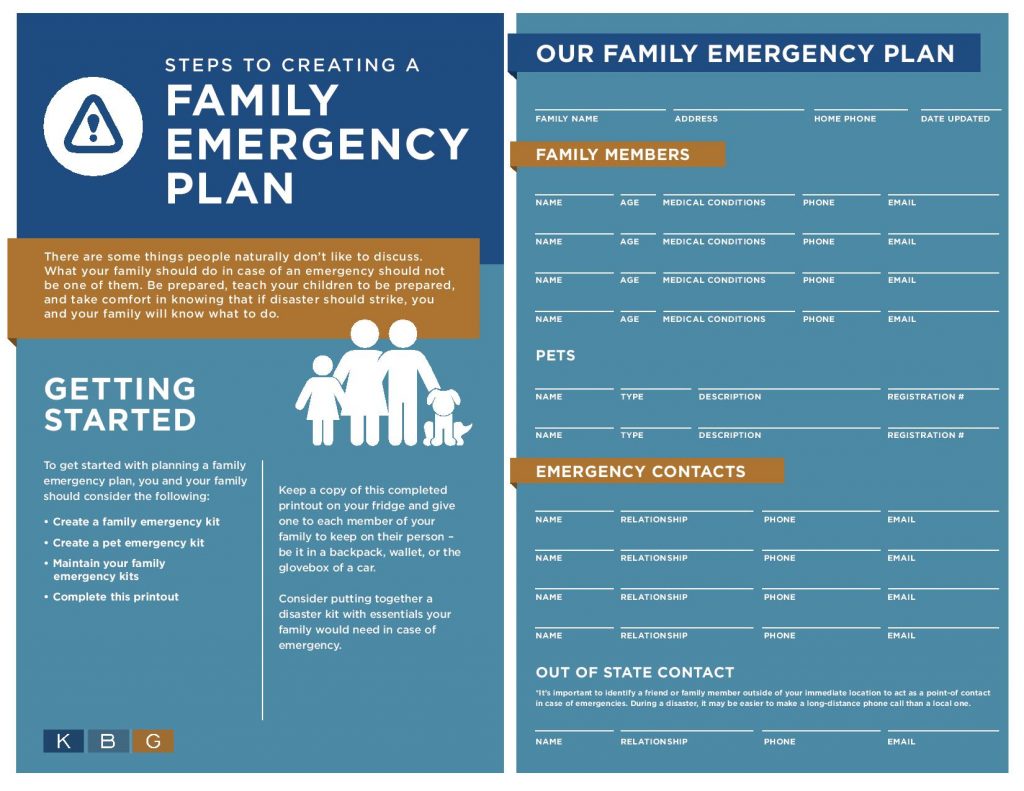
During an emergency, communication is key. Establishing reliable communication channels within your family is vital for coordination and staying informed. Identify primary and backup methods of communication, such as mobile phones, walkie-talkies, or social media platforms. It is also essential to have an agreed-upon out-of-area contact who can serve as a central point of communication for family members to check in and relay information.
Determining Meeting Points
Designating predetermined meeting points is crucial in case your family gets separated during an emergency. Choose a safe and easily accessible location near your home as a primary meeting point. It is also advisable to identify an alternative meeting point further away in case your neighborhood becomes inaccessible. Discuss these meeting points with your family, ensuring that everyone knows where to reunite during an emergency.
Assigning Responsibilities
Assigning responsibilities to each family member ensures that everyone knows what to do during an emergency. Roles can include tasks such as gathering emergency supplies, caring for pets, shutting off utilities, or assisting the elderly or individuals with disabilities. Assigning responsibilities empowers each family member to contribute effectively to the overall preparedness and response efforts.
Assembling Emergency Supplies
Essential Items for an Emergency Kit
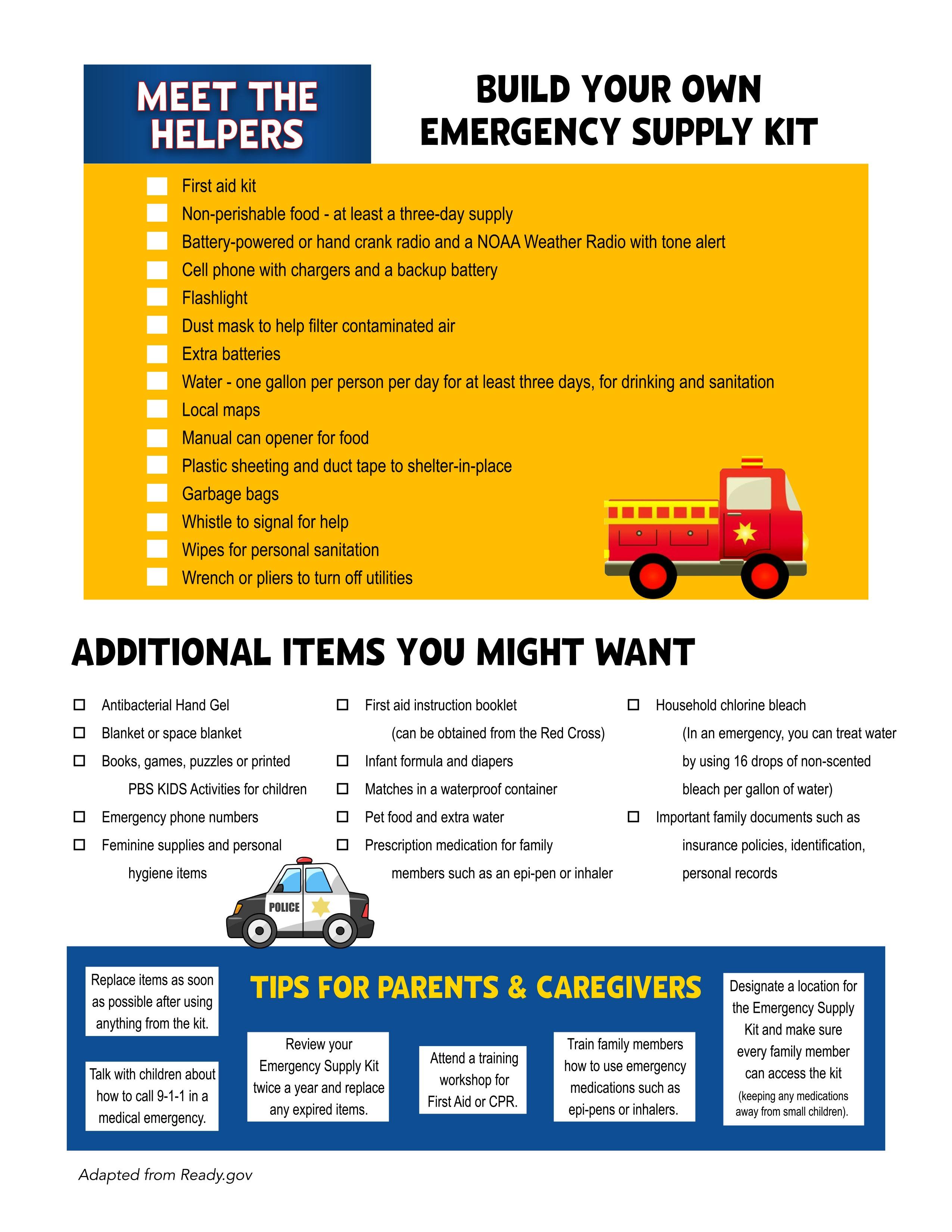
Assembling an emergency kit with essential items is crucial to sustain your family’s well-being during an emergency. This kit should include items such as non-perishable food, water, flashlight, batteries, a portable radio, a first aid kit, prescription medications, personal hygiene items, extra clothing, important documents, cash, and a multi-tool. Customize your emergency kit according to the specific needs of your family members, including any necessary supplies for infants, elderly individuals, or individuals with medical conditions.
Storing Supplies Safely
Ensure that your emergency supplies are stored in a safe and easily accessible location. Keep perishable items within expiry dates and regularly check and replenish your emergency kit. Store your supplies in a waterproof container or bag to protect them from damage. It is also advisable to keep a smaller portable emergency kit in your vehicle for unforeseen situations when you are away from home.
Rotating and Replenishing Inventory
Maintaining a well-stocked and up-to-date emergency kit requires regular rotation and replenishment of supplies. Check expiration dates of food, water, and medications annually, replacing any expired items. Additionally, review and update your emergency contact information, including important documents, as needed. By regularly rotating and replenishing your inventory, you ensure that your emergency supplies are always reliable and ready to use.
Ensuring Adequate Medical Preparedness
Organizing Medical Information
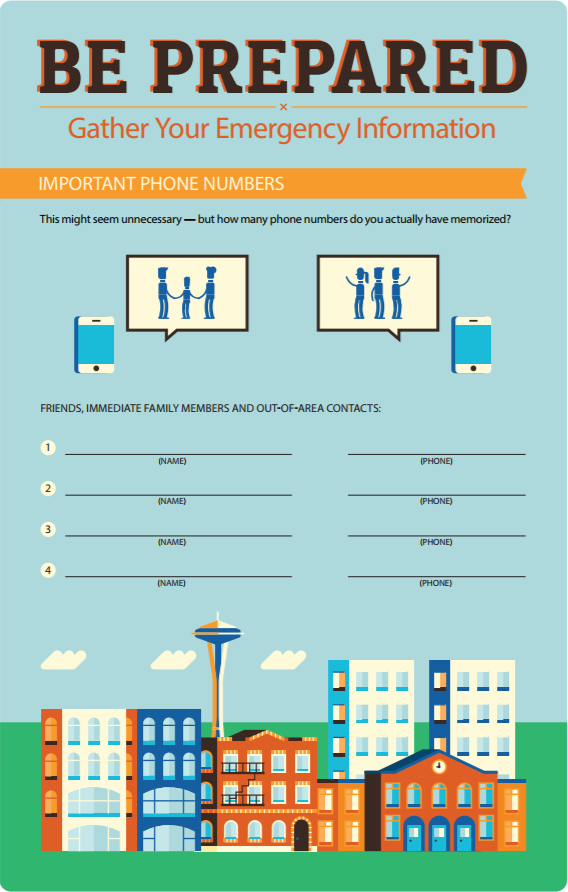
During an emergency, having organized medical information readily available can be lifesaving. Compile important documents such as health insurance details, medical history, prescriptions, and contact information for healthcare providers. Store these documents in a waterproof and easily accessible folder. Additionally, ensure that each family member has a copy of this information in their emergency kits.
Building a First Aid Kit
A well-equipped first aid kit is essential for addressing minor injuries and providing immediate medical assistance during an emergency. Include items such as adhesive bandages, sterile gauze pads, adhesive tape, antiseptic wipes, tweezers, scissors, gloves, a thermometer, and over-the-counter pain relievers. Familiarize yourself and your family with the contents of the first aid kit and their proper usage.
Learning Basic First Aid Skills
In addition to having a first aid kit, learning basic first aid skills can empower you to provide immediate assistance to injured family members or others in need. Consider taking a first aid and CPR certification course to enhance your knowledge and confidence in handling emergencies. These skills can make a significant difference in saving lives and minimizing the severity of injuries during critical situations.
Addressing the Needs of Children and Pets
Creating an Emergency Plan for Children
When preparing for emergencies, it is crucial to include children in the planning process. Create an age-appropriate emergency plan that educates them on what to do in different scenarios, including how to contact emergency services and when and where to meet in case of separation. Teach them how to recognize potential hazards and practice emergency drills regularly to ensure they understand and remember the necessary steps.
Including Pets in the Safety Plan
Pets are family too, and their safety should be prioritized during emergencies. Ensure that your emergency plan includes provisions for your pets. Prepare an emergency kit specifically for your pets, including food, water, medications, identification tags, leashes, and carriers. Research pet-friendly emergency shelters in your area in case evacuation becomes necessary. Familiarize yourself with local regulations regarding pets in emergencies, as requirements may vary.
Identifying Pet-Friendly Emergency Shelters
In the event of an evacuation, it is essential to know which shelters in your area allow pets. Research these pet-friendly emergency shelters in advance and keep a list of their locations and contact information. Be aware that these shelters may have specific requirements, such as up-to-date vaccinations or proof of ownership, so ensure that you have all necessary paperwork readily available.

Considering Special Needs and Disabilities
Accommodating Physical Disabilities
When preparing for emergencies, it is vital to consider the unique needs of individuals with physical disabilities. Take into account accessibility requirements, such as ramps or mobility aids, when identifying meeting points and evacuation routes. Ensure that emergency supplies and communication devices are accessible and usable by individuals with disabilities. Collaborate with local disability organizations to gather additional insights and resources to support individuals with physical disabilities during emergencies.
Planning for Medical Conditions
Individuals with specific medical conditions require additional considerations during emergencies. If you or your family members have medical conditions that require specialized care or equipment, ensure that your emergency plan addresses these needs. Stock up on necessary medications and medical supplies. Consider developing a support network within your community, including neighbors or friends who can assist in case of an emergency.
Meeting Emotional and Mental Health Needs
Emergencies can have a significant impact on emotional and mental well-being. Consider the emotional and mental health needs of your family members when creating your emergency plan. Establish strategies for coping with stress, anxiety, and trauma, such as including calming activities or maintaining contact with loved ones. Stay informed about available community resources and mental health support services that can help during and after an emergency.
Reviewing and Practicing the Safety Plan
Regularly Updating Contact Information
As circumstances change, it is essential to regularly update your emergency contact information. Review contact numbers for emergency services, family members, out-of-area contacts, and important organizations at least once a year or as needed. Ensure that everyone in your household has access to this updated information, including having a laminated card with emergency contact numbers in their wallets or backpacks.
Conducting Evacuation Drills
Regularly practicing evacuation drills is crucial to ensure that everyone in your household knows what to do during an actual emergency. Conduct drills for different scenarios, including fire, severe weather, or earthquakes. Map out evacuation routes and practice them with your family members. Review and address any areas of improvement identified during the drills to enhance the effectiveness of your evacuation plans.
Evaluating and Improving the Plan
Emergency preparedness is a continuous process, and it is important to regularly evaluate and improve your safety plan. After practicing drills or experiencing a minor emergency, take the opportunity to assess the effectiveness of your plan and make necessary adjustments. Seek feedback from family members and modify the plan accordingly. Staying proactive and adaptable ensures that your emergency preparedness efforts remain relevant and effective.
Engaging the Community
Collaborating with Neighbors and Friends
Building a strong network within your community is essential for comprehensive emergency preparedness. Collaborate with neighbors and friends to share knowledge, resources, and support. Establish a neighborhood watch or emergency preparedness group to collectively address community-wide risks and concerns. Engaging with your community fosters a sense of unity and shared responsibility, creating a stronger and more resilient network of support.
Participating in Community Emergency Preparedness Programs
Many communities offer emergency preparedness programs and initiatives. Engage in these programs to enhance your knowledge, skills, and access to resources. Attend workshops, training sessions, or community meetings focused on emergency preparedness. By participating in these programs, you can gain valuable insights, connect with experts, and contribute to the overall resilience of your community.
Sharing Resources and Information
Sharing resources and information within your community is a crucial aspect of emergency preparedness. Create a network where neighbors can share emergency supplies, such as tools, generators, or food, during a crisis. Establish a communication platform, such as a neighborhood email list or social media group, to share updates, warnings, and important information. By collectively sharing resources and information, you enhance the overall preparedness and response capabilities of your community.
Preparing for Specific Types of Emergencies
Natural Disasters (e.g., earthquakes, hurricanes)
Different types of emergencies require specific preparedness measures. For natural disasters like earthquakes or hurricanes, secure heavy items to prevent them from falling during an earthquake or store supplies in a designated safe space. Familiarize yourself with evacuation routes and shelters specific to these types of emergencies. Stay informed about relevant weather alerts and follow instructions from local authorities.
Fires and Home Safety
To prepare for fires, install smoke detectors on every level of your home and ensure their batteries are regularly replaced. Develop a home evacuation plan, including multiple escape routes and a designated meeting area outside. Educate your family members on fire prevention measures, such as avoiding overloaded sockets or unattended candles. Practice fire drills regularly to ensure that everyone knows how to respond quickly and safely.
Power Outages and Utility Failures
During power outages or utility failures, it is important to be prepared for extended periods without electricity or essential services. Keep a stock of non-perishable food, water, and backup power sources such as portable generators or solar chargers. Have alternative lighting options available, such as flashlights or battery-powered lanterns. Unplug electrical appliances to avoid damage from power surges when electricity is restored.
In conclusion, emergency preparedness is essential for safeguarding the well-being of you and your family during times of crisis. By understanding the need for preparedness, identifying potential hazards, creating an emergency communication plan, assembling emergency supplies, ensuring adequate medical preparedness, addressing the needs of children and pets, considering special needs and disabilities, reviewing and practicing the safety plan, engaging the community, and preparing for specific types of emergencies, you can effectively mitigate the impacts of emergencies and build a resilient and secure future. Remember, being prepared is not only a proactive approach, but it is also a demonstration of love, concern, and care for the ones you hold dear. Start building your family safety plan today and take charge of your preparedness journey.


