You’ve worked hard to make your house a home, and now it’s time to ensure its safety and security. In this article, you will discover expert home protection techniques to safeguard your precious abode. From simple yet effective measures like installing security cameras and motion sensor lights to more advanced systems like smart locks and alarm systems, we’ll empower you with the knowledge and tools necessary to keep your home protected. Whether you’re a new homeowner or have been living in your house for years, these tips will give you peace of mind knowing that your home is secure.
Safeguarding Your Home: Expert Home Protection Techniques
Home protection is a vital aspect of ensuring the safety and security of your family and belongings. By implementing expert home protection techniques, you can create a secure environment and have peace of mind. In this comprehensive guide, we will explore various strategies to safeguard your home effectively. From reinforcing entry points to utilizing surveillance systems and alarm systems, as well as enhancing outdoor lighting, fortifying the home perimeter, securing valuables, maintaining home automation, practicing home security habits, joining a neighborhood watch program, and seeking professional home security services, we will cover it all.
1. Securing Entry Points to Your Home
1.1 Reinforcing Doors
Doors are the primary entry points for potential intruders, making it crucial to reinforce them. Start by examining the strength of your doors and considering materials such as solid wood or metal. Reinforce weak points such as hinges and strike plates, and consider adding door braces or bars for extra security. Additionally, installing a deadbolt lock and a door viewer can provide an added layer of protection.
1.2 Upgrading Locks
Locks play a vital role in preventing unauthorized access to your home. Consider upgrading your locks to high-quality deadbolt locks, which are more secure than standard locks. Opt for locks with anti-pick, anti-drill, and anti-bump features for enhanced protection. It is also advisable to change locks periodically, especially when moving into a new home or if you’ve lost your keys.
1.3 Installing Window Security Films
Windows are another vulnerable entry point that can be targeted by potential intruders. Installing window security films can offer an additional layer of protection against break-ins. These films are designed to reinforce glass, making it more difficult for individuals to penetrate. Window security films are often invisible and can also provide benefits such as UV protection and increased privacy.
1.4 Strengthening Garage Security
Many homeowners overlook the security of their garage, which can serve as an easy access point for intruders. To enhance garage security, start by ensuring that the garage door and its opener are in good condition. Consider adding security features such as reinforced locks, motion sensor lights, and security cameras. Additionally, always keep your garage doors locked, including those leading into your home.
2. Using Surveillance Systems
Surveillance systems are a valuable tool for monitoring and deterring potential threats to your home. They provide an extra layer of security by capturing visual evidence and acting as a deterrent for potential intruders. Here are some key points to consider when utilizing surveillance systems:
2.1 Choosing the Right Surveillance Cameras
Selecting the appropriate surveillance cameras is essential for effective home protection. Consider factors such as resolution, field of view, night vision capabilities, and connectivity options. Opt for cameras that suit your specific needs, whether it’s covering outdoor areas, monitoring specific rooms, or capturing footage at night.
2.2 Installing Surveillance Cameras
To maximize the effectiveness of surveillance cameras, strategic placement is crucial. Install cameras at vulnerable entry points, such as doors and windows, as well as areas with valuable assets. Ensure that cameras are well-hidden or protected to prevent tampering. It’s also important to maintain a proper power supply and regularly check camera angles and functionality.
2.3 Utilizing Motion Sensors
Motion sensors are an excellent addition to any surveillance system as they can trigger cameras to start recording when movement is detected. Place motion sensors in key areas around your property to cover a wide range of angles. This way, you can receive immediate notifications and capture any potential threats.
2.4 Integrating Video Doorbells
Video doorbells have become increasingly popular for home security and enable you to see and communicate with individuals at your front door, even when you’re not home. Integrating a video doorbell into your surveillance system allows you to monitor who is at your door and can act as a deterrent to potential intruders.
3. Implementing Alarm Systems
Alarm systems are pivotal in alerting homeowners to potential threats and deterring intruders. They provide an immediate response to unauthorized access and play a crucial role in home protection. Consider the following aspects when implementing alarm systems:
3.1 Wireless Alarm Systems
Wireless alarm systems offer flexibility and convenience, allowing for easy installation and customization. They rely on wireless sensors that communicate with a central control panel, minimizing the need for extensive wiring. Wireless alarm systems are also less susceptible to tampering, as potential intruders cannot easily disable them by cutting wires.
3.2 Connecting to a Monitoring Service
Connecting your alarm system to a monitoring service provides an added layer of security. When an alarm is triggered, the monitoring service will be alerted and can dispatch the appropriate authorities to investigate the situation. This ensures that help is on the way, even if you are unable to respond to the alarm yourself.
3.3 Placing Alarm Sensors Strategically
Proper placement of alarm sensors is crucial for detecting unauthorized access. Install sensors on doors, windows, and other potential entry points to ensure comprehensive coverage. Take into consideration the layout of your home and strategically position sensors to minimize blind spots.
3.4 Setting up Panic Buttons
Panic buttons offer a quick and discreet way to alert authorities in emergency situations. Install panic buttons in easily accessible locations, such as near your bed or key areas in your home. In the event of an intrusion or emergency, simply press the panic button to notify the authorities immediately.
4. Enhancing Outdoor Lighting
Proper outdoor lighting is an effective deterrent for intruders and enhances overall safety on your property. By illuminating the exterior of your home, you create a less attractive target while improving visibility. Consider the following techniques to enhance outdoor lighting:
4.1 Installing Sensor-Activated Lights
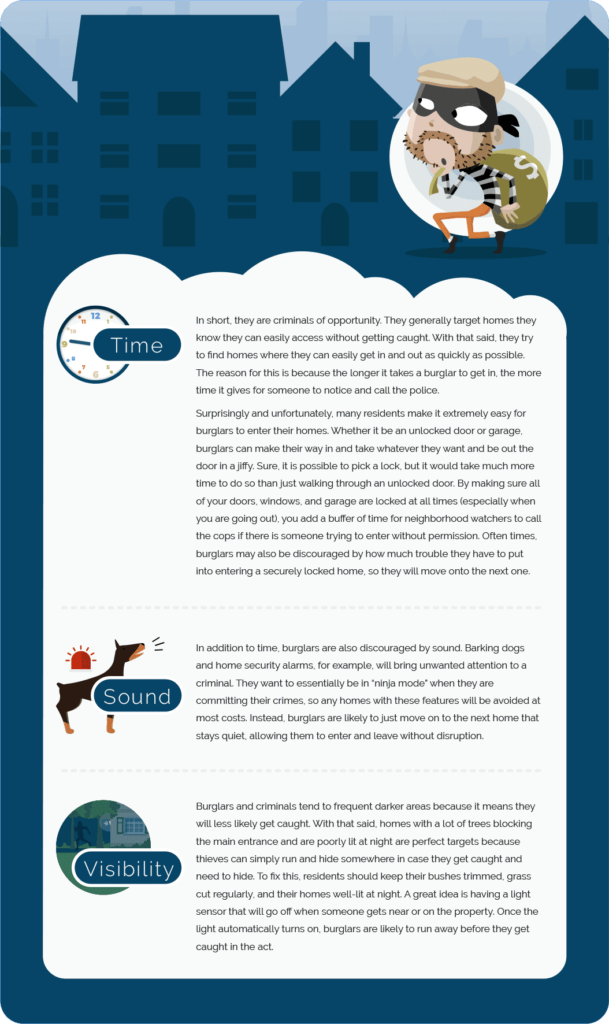
Sensor-activated lights, such as motion sensor lights, automatically illuminate when they detect movement nearby. Install these lights around the perimeter of your home, including entry points and dark areas. Sensor-activated lights not only deter potential intruders but also provide increased visibility for you and your family.
4.2 Utilizing Timers and Smart Lighting
Timers and smart lighting systems allow you to schedule lights to turn on and off at specific times. This can create the illusion of an occupied home, even when you’re away. By simulating activity, you reduce the likelihood of intruders targeting your home.
4.3 Ensuring Adequate Landscape Lighting
Well-lit landscaping can greatly contribute to home protection. Use landscape lighting to illuminate walkways, driveways, and other potential hiding spots around your property. Adequate lighting discourages intruders from attempting a break-in and helps to improve visibility for you and your neighbors.
4.4 Using Motion-Activated Security Path Lighting
Motion-activated path lighting is a convenient and energy-efficient way to ensure safe navigation around your property. These lights turn on automatically upon detecting movement and guide you and your visitors safely to your front door. Additionally, they can deter potential intruders by drawing attention to their presence.
5. Fortifying Home Perimeter
Strengthening the perimeter of your home serves as a crucial layer of defense against unauthorized access. By implementing measures to fortify the perimeter, you deter potential intruders and enhance the overall security of your property. Consider the following techniques:
5.1 Installing Security Fencing and Gates
Security fencing and gates act as a physical barrier, deterring unauthorized access to your property. Choose sturdy materials such as metal or wood and ensure that gates are securely locked when not in use. Install fencing and gates around the entire perimeter of your property to create a secure boundary.
5.2 Utilizing Security Window Bars
Security window bars are a practical and cost-effective solution for protecting vulnerable windows. Install bars on ground-level windows or windows that are easily accessible from the outside. Ensure that the window bars are securely attached to prevent intruders from removing them.
5.3 Employing Shrubbery as Natural Barriers
Strategically placed shrubbery can serve as natural barriers and deter potential intruders. Plant thorny bushes near windows and other entry points to make it difficult for individuals to access your home. Ensure that the shrubbery does not create blind spots or obstruct visibility for surveillance cameras and neighbors.
5.4 Installing Outdoor Security Cameras
Outdoor security cameras are a valuable addition to fortifying your home’s perimeter. Install cameras in key areas around the exterior of your property, covering entry points and potential hiding spots. Visible cameras act as a deterrent, while recorded footage can provide crucial evidence in the event of a break-in.
6. Securing Valuables
Protecting your valuables is an essential part of home protection. By implementing security measures specifically tailored to safeguard your valuable belongings, you can minimize the impact of a potential theft. Consider the following strategies:
6.1 Utilizing a Home Safe
Investing in a high-quality home safe provides a secure place to store valuable items. Choose a safe that is fire-resistant and has a strong locking mechanism. It is advisable to bolt the safe to the floor or a solid surface to prevent it from being easily removed.
6.2 Implementing Hidden Storage Solutions
Consider implementing hidden storage solutions to further protect your valuable possessions. Disguise valuable items in inconspicuous objects or furniture with secret compartments. By keeping your valuables out of sight, you reduce the likelihood of them being targeted by potential intruders.
6.3 Documenting Valuables and Keeping Records
Documenting your valuables and keeping a detailed inventory is an essential step in home protection. Take photographs and make a note of serial numbers, descriptions, and estimated values. This documentation will be invaluable in the event of a theft or damage for insurance purposes and aid law enforcement in recovery efforts.
6.4 Consider Purchasing Security Insurance
Security insurance provides an added layer of financial protection for your valuable possessions. Consult with an insurance professional to determine the appropriate coverage for your specific needs. By investing in security insurance, you can have peace of mind knowing that you are financially protected in the event of a theft or loss.
7. Maintaining Home Automation and Remote Access
Home automation and remote access technologies offer convenience and enhance home security. By integrating these systems into your home, you can have greater control over various aspects of your security. Consider the following techniques:
7.1 Controlling Homes Remotely
Home automation systems allow you to control and monitor your home remotely using your smartphone or computer. From adjusting lighting to arming your alarm system, you can have complete control over your home’s security regardless of your physical location.
7.2 Using Smart Plugs and Outlets
Smart plugs and outlets enable you to remotely control and automate electrical devices and appliances in your home. By scheduling lights, radios, and TVs to turn on and off at specific times, you create the illusion of an occupied home, deterring potential intruders.
7.3 Automating Lighting and Blinds
Automated lighting and blinds can simulate activity in your home, even when you’re away. By programming lights and blinds to turn on and off at specific times, you create the appearance of an occupied home, reducing the likelihood of break-ins.
7.4 Setting Up Smart Door Locks
Smart door locks provide convenience and added security to your home. With these locks, you can remotely lock and unlock your doors, grant temporary access to visitors, and receive notifications when doors are opened or closed. Smart door locks eliminate the need for physical keys and offer greater control over access to your home.
8. Practicing Home Security Habits
In addition to implementing security technology and measures, establishing good home security habits is essential. By incorporating simple yet effective practices into your daily routine, you can significantly reduce the risk of a break-in. Consider the following habits:
8.1 Locking Doors and Windows
Always lock your doors and windows, even when you’re at home. This simple habit can prevent unauthorized access and acts as a visual deterrent for potential intruders. Additionally, ensure that all locks are in good working condition and replace any worn-out or faulty locks promptly.
8.2 Keeping Travel Plans Confidential
When planning a vacation or extended absence from your home, avoid broadcasting your travel plans on social media or to individuals outside your trusted circle. By keeping your travel plans confidential, you minimize the risk of opportunistic burglaries or home invasions.
8.3 Reinforcing Pet Doors
If you have a pet door, ensure that it is secure and cannot be easily manipulated by potential intruders. Consider installing a lockable cover or upgrading to an electronically controlled pet door that responds only to a specific tag attached to your pet’s collar.
8.4 Being Wary of Social Media Posts
Be cautious about sharing photos or details on social media platforms that reveal your address or when you’re away from home. Publicly posting about vacations, events, or expensive purchases can inadvertently provide information to potential criminals that your home may be unoccupied or contain valuable items.
9. Joining a Neighborhood Watch Program
Participating in a neighborhood watch program can significantly enhance the overall security of your community. By actively engaging with your neighbors and working together, you create a network of vigilance and support. Consider the following aspects of joining a neighborhood watch program:
9.1 Engaging with Neighbors
Developing a strong relationship with your neighbors fosters a sense of community and encourages vigilance. Get to know your neighbors, establish lines of communication, and watch out for each other’s homes. By looking out for one another, you can quickly identify and address any suspicious activity.
9.2 Sharing Surveillance Footage
If you have surveillance cameras installed, consider sharing footage with your neighbors and fellow neighborhood watch members. This collaborative approach allows for a broader coverage of potential security concerns and can aid in identifying individuals involved in criminal activities.
9.3 Organizing Home Security Awareness Events
Organizing home security awareness events within your neighborhood can help educate residents on effective home protection techniques. Invite local law enforcement or security experts to provide valuable insights, tips, and resources. By fostering a proactive approach to security, you create a safer neighborhood for everyone.
9.4 Conducting Regular Neighborhood Patrols
Organize and conduct regular neighborhood patrols, where residents take turns walking or driving through the neighborhood to keep an eye out for any unusual activity. This visible presence and proactive approach can act as a strong deterrent to potential criminals.
10. Seeking Professional Home Security Services
For comprehensive and advanced home protection, considering professional home security services can provide peace of mind. Engaging with security experts and utilizing professional-grade equipment can significantly enhance the security of your home. Consider the following options:
10.1 Consulting with Security Experts
Engage the services of security experts to evaluate the vulnerabilities of your home and recommend appropriate security measures. They can provide customized solutions tailored to your specific needs and budgets, ensuring that your home is effectively protected.
10.2 Installing Professional Alarm Systems
Professional alarm systems offer advanced features and a higher level of security. By installing professionally monitored systems, you benefit from round-the-clock monitoring by a dedicated team. These systems can integrate seamlessly with other security components, such as surveillance cameras and access control devices.
10.3 Contracting Private Security Services
In high-risk situations or areas, contracting private security services can provide an additional layer of protection. Private security personnel can conduct regular patrols, monitor surveillance cameras, and respond swiftly to any security breaches. Their presence alone can act as a powerful deterrent to potential intruders.
10.4 Engaging with Local Law Enforcement
Work in collaboration with local law enforcement agencies to strengthen the security of your home and neighborhood. Report any suspicious activities promptly and establish open lines of communication. By working together, you can create a safer community for everyone.
By implementing these expert home protection techniques, you can significantly enhance the security of your home and protect your loved ones and belongings. Remember that home protection is an ongoing process, and staying vigilant and proactive is key to maintaining a safe and secure living environment.