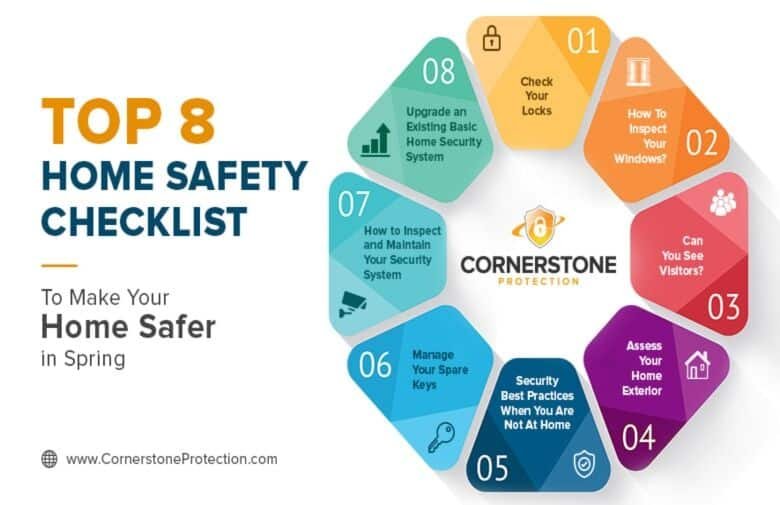
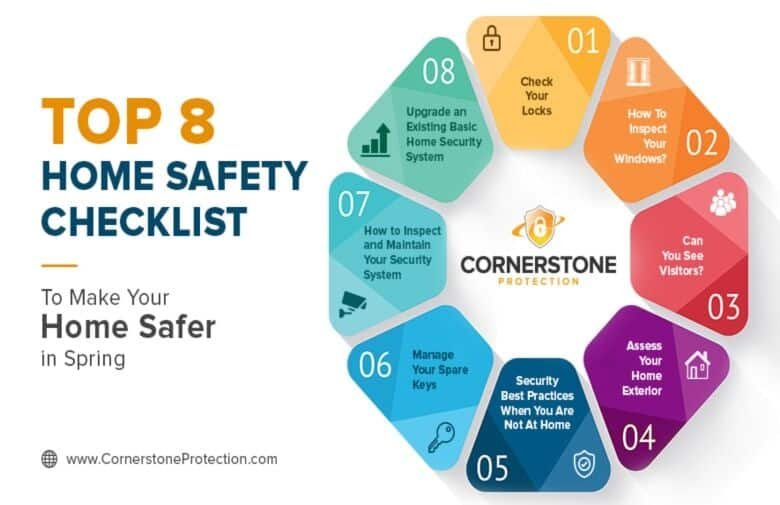
In “Stay Safe and Secure: Home Protection Essentials,” you will discover the key essentials to ensure the safety and security of your home. This informative article provides practical tips and strategies to safeguard your living space, ranging from installing robust security systems to implementing simple yet effective measures. By following these expert recommendations, you can create a secure environment that brings peace of mind and protects your loved ones and belongings.
Home Security Systems
Importance of Home Security Systems
When it comes to keeping your home safe and secure, there is no better investment than a reliable home security system. These systems serve as a crucial deterrent to potential burglars and provide you with peace of mind knowing that your property is protected. Home security systems offer various features, including surveillance cameras, motion sensors, alarms, and even 24/7 monitoring services. With their advanced technology and integration options, these systems not only provide protection but also enable you to remotely monitor your home from anywhere in the world.
Types of Home Security Systems
Choosing the right home security system for your needs can be overwhelming, as there are several options available. The two main types of home security systems are wired and wireless. Wired systems require professional installation and involve running wires throughout your home, while wireless systems are much easier to install and can be integrated with your existing Wi-Fi network. Additionally, you can choose between DIY (Do-It-Yourself) systems or professionally installed systems depending on your comfort level and budget.
Choosing the Right Home Security System
When selecting a home security system, it is important to consider various factors such as your budget, the size of your home, and your specific security needs. Look for a system that provides comprehensive coverage and offers features that align with your priorities. Additionally, consider the reputation and reliability of the security system provider, as well as their customer support services. Reading reviews and seeking recommendations from trusted sources can also help you make an informed decision. Remember, investing in a high-quality home security system is an investment in the safety of your home and loved ones.
Secure Entry Points
Reinforce Exterior Doors
Your exterior doors serve as the first line of defense against intruders, making it essential to reinforce them. Start by inspecting the condition of the doors and their frames. Ensure that the doors are made of solid wood or metal and are not hollow, as these are more durable and resistant to forced entry. Consider adding a door reinforcement kit, which consists of metal plates and extra-long screws that strengthen the doorjamb. Installing a wide-angle peephole can also help you identify visitors before opening the door.
Install a Deadbolt Lock
Adding a deadbolt lock to your exterior doors can significantly enhance their security. Unlike regular locks, deadbolts do not have springs and can only be opened with a key or by turning a thumbturn from the inside. Opt for a deadbolt with a minimum length of one inch, as longer bolts provide better resistance against kick-ins. Make sure the deadbolt is properly installed to maximize its effectiveness. Regularly check and maintain your deadbolt to ensure that it is functioning smoothly.
Upgrade to Smart Locks
If you’re looking for a convenient and secure way to control access to your home, consider upgrading to smart locks. These electronic locks offer keyless entry options, allowing you to unlock your doors using a smartphone, keypad, or even your voice. Smart locks provide added convenience, as you can remotely lock or unlock your doors, grant access to family members or guests, and receive real-time notifications of any activity. With customizable settings and integration with other smart devices, smart locks offer a range of features that enhance both your security and lifestyle.
Install Window Locks
Windows are another common entry point for intruders, and it is crucial to secure them properly. Install window locks on all accessible windows, including those on upper floors. There are various types of window locks available, such as pin locks, key locks, and sliding window locks. Choose sturdy locks that are suitable for your window type and ensure they are properly installed. Additionally, consider reinforcing windows with shatter-resistant film or installing window security bars for added peace of mind.
Secure Sliding Glass Doors
Sliding glass doors can be vulnerable to break-ins if not properly secured. Reinforce the door tracks by placing a thick dowel or metal bar in the track when the door is closed to prevent it from being forced open. Install a security bar that extends across the sliding door frame to further deter potential intruders. Additionally, consider adding a glass break sensor or a contact sensor to your sliding glass doors, which can alert you to any tampering or attempted forced entry.
Outdoor Lighting
Importance of Outdoor Lighting
Outdoor lighting plays a crucial role in enhancing the security of your home. A well-lit exterior acts as a deterrent to potential burglars, as it reduces hiding spots and increases the visibility of any suspicious activity. Adequate outdoor lighting not only protects your home but also ensures the safety of anyone approaching your property during nighttime hours. By illuminating pathways, entrances, and vulnerable areas, you create a safer environment for you and your family.
Types of Outdoor Lighting
There are several types of outdoor lighting options available, each serving a specific purpose. Floodlights provide broad, high-intensity illumination and are typically used to illuminate large areas such as driveways or backyards. Motion sensor lights detect movement and automatically turn on, alerting you to any activity outside. Pathway lights guide visitors and deter intruders by clearly marking entry points and pathways. Additionally, you can opt for decorative lighting such as lanterns or pendant lights to add a touch of style while still providing adequate illumination.
Placement of Outdoor Lighting
Strategic placement of outdoor lighting is essential to maximize its effectiveness. Start by identifying the areas that require illumination, such as entry points, paths, and dark corners. Install lights at a sufficient height to prevent tampering or easy access. Consider using a combination of different lighting types to cover all necessary areas. Motion sensor lights are best placed near entry points or areas with limited visibility. Pathway lights should be installed along walkways and driveways, ensuring a safe and well-lit passage. Experiment with different positions and angles to find the best lighting arrangement for your property.
Security Cameras
Benefits of Security Cameras
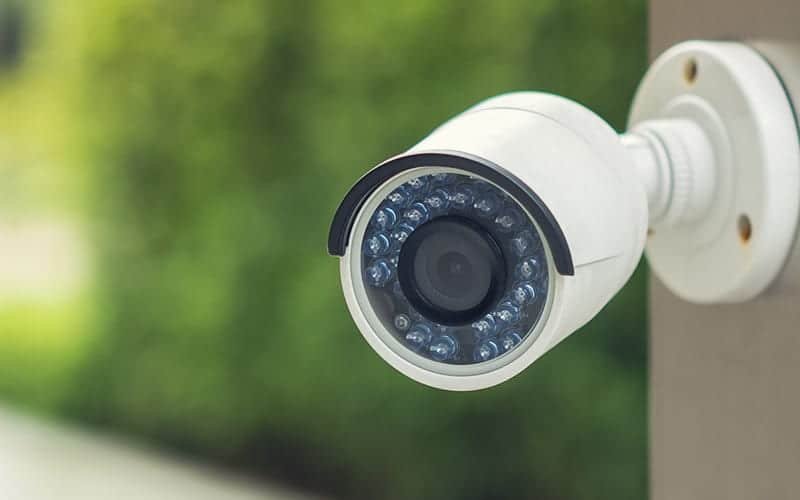
Security cameras not only provide visual surveillance but also act as a powerful deterrent to potential intruders. The presence of cameras can significantly reduce the likelihood of a break-in, as criminals are less likely to target a property with visible security measures. In the unfortunate event of a crime occurring, security cameras capture valuable evidence that can aid law enforcement in identifying and apprehending the perpetrators. Additionally, with advancements in technology, modern security cameras offer features such as high-definition video, night vision, and remote viewing capabilities.
Types of Security Cameras
There are various types of security cameras available, each designed for specific purposes and environments. Dome cameras are the most common type and are often used for indoor surveillance. They provide a wide range of coverage and are less prone to tampering due to their dome-shaped design. Bullet cameras, on the other hand, are typically used for outdoor surveillance and offer a more focused view. PTZ (Pan-Tilt-Zoom) cameras provide the ability to remotely control the camera’s movement and zoom capabilities, allowing you to monitor specific areas or track suspicious activity.
Placement of Security Cameras
Proper placement of security cameras is critical to ensure maximum coverage and effectiveness. Start by identifying the areas that require surveillance, such as entry points, driveways, or high-value assets. Install cameras at a height that is out of reach but still provides a clear view of the desired area. Consider the field of view of each camera and angle them to cover as much area as possible. Position cameras strategically to capture facial features and any identifying details. It is also important to ensure the cameras are protected from harsh weather conditions and have proper lighting for good visibility during nighttime.

Security Alarms
Types of Security Alarms
Security alarms are an essential component of a comprehensive home security system. There are various types of security alarms available, each serving a specific purpose. Burglar alarms detect unauthorized entry attempts and alert both the homeowners and a monitoring center. They often include sensors on doors and windows, as well as motion detectors in key areas of the home. Fire alarms detect smoke or heat and sound an alarm to alert occupants of a potential fire. Carbon monoxide alarms detect the presence of this deadly gas and provide an early warning to prevent carbon monoxide poisoning.
How Security Alarms Work
Security alarms work by utilizing sensors and detectors to monitor specific areas for potential threats. When a sensor is triggered, either by detecting motion, a breach in the sensor’s field, or environmental conditions such as heat or smoke, the alarm system is activated. The system then sounds an audible alarm to alert occupants and, if connected to a monitoring center, notifies the appropriate authorities. Modern security alarm systems often include additional features such as integration with surveillance cameras, mobile alerts, and the ability to arm and disarm remotely.
Setting up Security Alarms
Setting up security alarms requires careful planning and consideration. Start by identifying the areas that require protection and determining the types of sensors needed for each location. Install sensors on all accessible doors and windows, as well as in key areas of the home such as hallways or common living spaces. Consider the layout and floor plan of your home to ensure comprehensive coverage. Follow the manufacturer’s instructions for installing the alarm system, or hire a professional if needed, to ensure proper installation and functionality. Test the alarms regularly to ensure they are in working order and replace batteries as needed.
Home Automation
Benefits of Home Automation
Home automation offers numerous benefits, including enhanced convenience, energy efficiency, and security. With home automation systems, you can control and monitor various aspects of your home remotely or through voice commands. From adjusting your thermostat and turning off lights to locking doors and monitoring security cameras, home automation allows you to create a personalized and interconnected smart home. By integrating your home security system with automation features, you can enjoy seamless control over your security devices and receive real-time alerts on your smartphone or other devices.
Smart Home Security
Integrating your home security system with home automation features can significantly enhance your security measures. With smart home security, you can remotely monitor your security cameras, receive alerts when doors or windows are opened, and even control access to your home through smart locks. Modern home automation systems also offer advanced features like geofencing, where your security system can automatically arm or disarm based on your physical location. By leveraging the power of smart home technology, you can enjoy a higher level of convenience and security in your daily life.
Integrating Home Automation Systems
To integrate your home security system with home automation features, start by ensuring that your security system is compatible with the desired automation platform. Many security system providers offer integration options with popular automation platforms such as Amazon Alexa, Google Assistant, or Apple HomeKit. Follow the manufacturer’s instructions for connecting and setting up your automation devices or consult with a professional if needed. Once connected, you can customize your automation settings and create personalized routines that suit your lifestyle and security needs. Regularly update and maintain your automation system to ensure optimal performance and security.

Secure Wi-Fi Network
Importance of a Secure Wi-Fi Network
In today’s digital age, securing your Wi-Fi network is just as important as securing your physical property. A secure Wi-Fi network prevents unauthorized access to your internet connection and safeguards your personal information. An unsecured Wi-Fi network can be vulnerable to hackers, who may gain access to your devices or steal sensitive data. By implementing proper security measures, you can protect your network, devices, and personal information from potential threats.
Tips for Securing Your Wi-Fi
To ensure the security of your Wi-Fi network, follow these essential tips:
-
Change the default name (SSID) and password of your Wi-Fi router. Use a unique and strong password that combines letters, numbers, and special characters.
-
Enable WPA2 (Wi-Fi Protected Access II) encryption, the most secure option available on most routers. Avoid using WEP (Wired Equivalent Privacy) or WPA (Wi-Fi Protected Access) as they are outdated and less secure.
-
Regularly update your router firmware to ensure that it has the latest security patches and features. Check your router manufacturer’s website for firmware updates or enable automatic updates if available.
-
Disable guest networks if you do not require them or set up a separate guest network with limited access and usage.
-
Enable MAC (Media Access Control) address filtering to only allow specific devices to connect to your network. Each device has a unique MAC address, which can be added to your router’s allowed list.
-
Disable remote management of your router unless necessary, as it can potentially allow unauthorized access to your network.
-
Consider using a virtual private network (VPN) when connecting to public Wi-Fi networks to encrypt your data and protect your privacy.
-
Regularly monitor your network for any suspicious activity or unknown devices connected to your network. Most routers offer an interface that allows you to view connected devices.
By following these tips and maintaining good Wi-Fi security practices, you can significantly reduce the risk of unauthorized access and ensure a secure online environment for you and your family.
Updating Router Firmware
Regularly updating your router’s firmware is crucial for maintaining optimal security and performance. Router firmware updates often include security patches that address newly discovered vulnerabilities or weaknesses. These updates not only protect your network from potential threats but also improve the router’s functionality and compatibility with modern devices and technologies. Check your router manufacturer’s website or the router admin interface for firmware updates. Follow the manufacturer’s instructions to download and install the latest firmware. It is recommended to schedule regular checks for firmware updates or enable automatic updates if offered by your router.
Fire Safety Measures
Importance of Fire Safety Measures
Fire safety is a critical aspect of home protection that should never be overlooked. Fires can cause extensive damage to your property and pose a significant risk to the lives of you and your loved ones. Implementing proper fire safety measures can help prevent fires or minimize their impact, ensuring the safety of everyone in your home. By equipping your home with the necessary fire safety equipment and creating an emergency plan, you can effectively protect yourself, your family, and your property from the devastating effects of fires.
Smoke Detectors and Fire Alarms
Smoke detectors and fire alarms are essential tools for early detection of fires. Install smoke detectors in every bedroom, outside each sleeping area, and on every level of your home. These devices can alert you to the presence of smoke, giving you valuable time to evacuate or take appropriate action. Consider interconnected smoke detectors, where one detector triggers all the others, ensuring that everyone in the house is alerted simultaneously. Regularly test and replace batteries in smoke detectors, typically twice a year, and clean them to ensure proper functionality.
Additionally, consider installing a fire alarm system that goes beyond detecting smoke. These systems can include heat detectors, flame detectors, and carbon monoxide detectors, providing comprehensive coverage against various fire-related hazards. Consult with fire safety professionals or reputable providers to determine the most suitable fire alarm system for your home.
Fire Extinguishers
Having accessible fire extinguishers is crucial for effectively tackling small fires before they escalate. Place fire extinguishers in easily accessible locations throughout your home, such as the kitchen, garage, and near fire-prone areas like fireplaces or electrical panels. Ensure that everyone in your household knows how to use a fire extinguisher properly, following the PASS technique: Pull the pin, Aim at the base of the fire, Squeeze the handle, and Sweep side to side. Regularly check the pressure gauge of your fire extinguishers and replace them according to the manufacturer’s recommendations.
Developing an Escape Plan
Creating a detailed escape plan is paramount to ensure everyone’s safety in the event of a fire. Involve all members of your household in the development of the plan and familiarize them with the escape routes and meeting points. Identify two exits from each room, such as doors or windows, and ensure they are easily accessible and unobstructed. Practice the escape plan regularly, conducting fire drills with your family to reinforce the steps and familiarize everyone with the process. Remember to stay low to avoid smoke inhalation and designate a safe meeting place outside your home where everyone can gather after evacuating.
Additionally, consider installing escape ladders for upper-level bedrooms that do not have easy access to the ground. These portable ladders can be attached to window sills to provide a safe means of escape in case of emergencies.
By implementing fire safety measures, you not only protect your home but also create a safe environment for you and your loved ones.
Home Safes
Importance of Home Safes
A home safe is a valuable investment when it comes to protecting your most important belongings and documents. Home safes provide secure storage for items such as cash, jewelry, important documents, and sentimental valuables. By keeping these items in a safe, you can protect them from theft, fire, or other unforeseen events. Home safes also offer peace of mind, knowing that your most cherished possessions are safely stored and readily accessible when needed.
Types of Home Safes
There are various types of home safes available, each offering different levels of security and functionality. Here are some common types of home safes:
-
Fireproof safes: These safes are designed to withstand high temperatures, protecting your valuables from fire damage. They are constructed with fire-resistant materials and often have a specific fire rating that indicates the time they can resist fire. Consider the fire rating that suits your needs when selecting a fireproof safe.
-
Burglar-proof safes: These safes focus on preventing unauthorized access and feature enhanced security features such as solid steel construction, advanced locking mechanisms, and additional reinforcement. Burglar-proof safes are designed to resist attacks from drills, saws, and other tools commonly used by burglars.
-
Biometric safes: Biometric safes utilize advanced fingerprint recognition technology to provide quick and convenient access to your valuables. These safes store authorized fingerprints, allowing only authorized individuals to open the safe.
-
Wall safes: Wall safes are designed to be concealed within your walls, providing hidden storage for your valuables. They can be installed in various locations, such as behind a painting or within a closet, offering an additional layer of security by keeping them out of sight.
Choosing the Right Home Safe
When choosing a home safe, consider the following factors:
-
Size and capacity: Determine the size and capacity of the safe based on the items you intend to store. Ensure that the safe is spacious enough to accommodate your valuables without overcrowding.
-
Security features: Evaluate the security features of the safe, such as the type of lock, thickness of the walls, and any additional reinforcement. Look for safes with a UL (Underwriter Laboratories) rating, which indicates that the safe has been tested for durability and security.
-
Installation options: Consider where and how you plan to install the safe. Wall safes require professional installation, while floor safes can be concealed within the floor. Ensure that the safe can be securely anchored and installed in a location that is easily accessible yet discreet.
-
Accessibility: Determine the type of lock that best suits your needs. Combination locks provide reliability, while electronic locks offer quick access. Biometric safes offer convenience but may have limitations if authorized fingerprints are not properly registered.
-
Price and budget: Establish a budget for your home safe and explore options within that range. Remember that investing in a high-quality safe is a long-term investment in the protection of your valuables.
Consult with reputable safe manufacturers or professionals to ensure that you select a home safe that meets your specific requirements. Remember to regularly maintain and check your safe to ensure proper functionality and security.
Neighborhood Watch Programs
Benefits of Neighborhood Watch Programs
Neighborhood Watch programs play a significant role in promoting safety and security within communities. These programs involve residents joining together to form a cooperative network focused on preventing crime and watching out for one another. The benefits of neighborhood watch programs include:
-
Deterrence: Neighborhood Watch signs and a visible presence of engaged residents act as a deterrent to potential criminals. The knowledge that a community is actively looking out for suspicious activity can significantly reduce the likelihood of crime.
-
Community cohesion: Neighborhood Watch programs encourage communication and cooperation among neighbors, fostering a stronger sense of community. Residents get to know and trust each other, creating a supportive environment where people look out for one another’s safety.
-
Prompt reporting: Neighborhood Watch participants are encouraged to report suspicious activity or concerns to the police promptly. This timely reporting allows law enforcement to take appropriate action and potentially prevent crimes from occurring.
-
Rapid response: With an active Neighborhood Watch program in place, community members can react quickly to suspicious situations. By looking out for one another and providing assistance, residents can help ensure a swift response from law enforcement or emergency services if needed.
Getting Involved in a Neighborhood Watch Program
If your community does not have a Neighborhood Watch program in place, consider taking the initiative to start one. Here are some steps to get involved in a Neighborhood Watch program:
-
Gauge interest: Talk to your neighbors and gauge their interest in starting a Neighborhood Watch program. Explain the benefits and address any concerns or questions they may have.
-
Contact local law enforcement: Reach out to your local police department or community resource officer to express your interest in starting a Neighborhood Watch program. They can provide guidance, resources, and support in establishing the program.
-
Organize a meeting: Arrange a community meeting to discuss the Neighborhood Watch program and its goals. Consider inviting a representative from the police department to provide information and answer questions.
-
Establish a leadership team: Form a leadership team consisting of committed residents who will oversee the Neighborhood Watch program. Assign roles such as a program coordinator, communications coordinator, and block captains to ensure smooth operation.
-
Conduct training: Organize training sessions for participants to help them understand the principles of Neighborhood Watch and how to effectively observe, document, and report suspicious activity. Invite local law enforcement to provide guidance on crime prevention and reporting procedures.
-
Implement communication channels: Establish a communication system to keep participants informed about ongoing concerns, share crime prevention tips, and relay important information from law enforcement. Utilize various channels such as email, social media groups, or dedicated apps to facilitate communication.
-
Participate actively: Encourage all residents to actively participate in the Neighborhood Watch program by keeping an eye out for suspicious activity, reporting concerns, and attending community meetings. Regularly assess the effectiveness of the program and make adjustments as needed.
By actively participating in a Neighborhood Watch program, you contribute to the safety and security of your community while fostering a strong sense of unity and cooperation among neighbors.
In conclusion, implementing comprehensive home protection measures is crucial for maintaining the safety and security of your property and loved ones. From investing in a reliable home security system to securing entry points, enhancing outdoor lighting, utilizing security cameras and alarms, implementing home automation, securing your Wi-Fi network, practicing fire safety measures, and safeguarding your valuables in home safes, each element plays a vital role in creating a safe and secure living environment. Additionally, participating in neighborhood watch programs further contributes to the overall security of your community. By prioritizing home protection essentials and implementing the suggested measures, you can enjoy peace of mind knowing that you have taken significant steps to safeguard your home and loved ones.