


When it comes to safeguarding your home, video home security systems offer a multitude of advantages that can significantly enhance your peace of mind. One of the most compelling benefits is the ability to monitor your property in real-time. With high-definition cameras strategically placed around your home, you can keep an eye on your surroundings from anywhere in the world.
Whether you’re at work, on vacation, or simply running errands, having access to live footage allows you to stay connected to your home and respond quickly to any suspicious activity. Moreover, video home security systems serve as a powerful deterrent against potential intruders. The mere presence of visible cameras can discourage criminal behavior, as many burglars are less likely to target homes that are clearly monitored.
This proactive approach not only protects your property but also fosters a sense of safety for you and your family. Additionally, many systems come equipped with motion detection features that can alert you to movement in designated areas, further enhancing your security measures.
Key Takeaways
- Video home security systems provide peace of mind and protection for your home and family
- Video home security systems work by using cameras to monitor and record activity in and around your home
- When choosing a video home security system, consider factors such as camera quality, storage options, and remote access capabilities
- Proper installation and setup of your video home security system is crucial for optimal performance
- Integrating your video home security system with other smart home devices can enhance overall home security and convenience
How Video Home Security Systems Work
Understanding how video home security systems operate is essential for maximizing their effectiveness. At their core, these systems consist of cameras that capture video footage and a recording device that stores this data. Most modern systems utilize digital technology, allowing for high-resolution images and seamless integration with the internet.
This connectivity enables you to access your camera feeds remotely through a smartphone app or web portal, providing you with flexibility and convenience. The cameras in these systems often come with various features such as night vision, two-way audio, and pan-tilt-zoom capabilities. Night vision allows you to monitor your property even in low-light conditions, ensuring that you don’t miss any critical events after dark.
Two-way audio enables communication between you and anyone on your property, which can be particularly useful for greeting visitors or deterring unwanted guests. By understanding these functionalities, you can better appreciate how video home security systems work to protect your home.
Choosing the Right Video Home Security System for Your Home
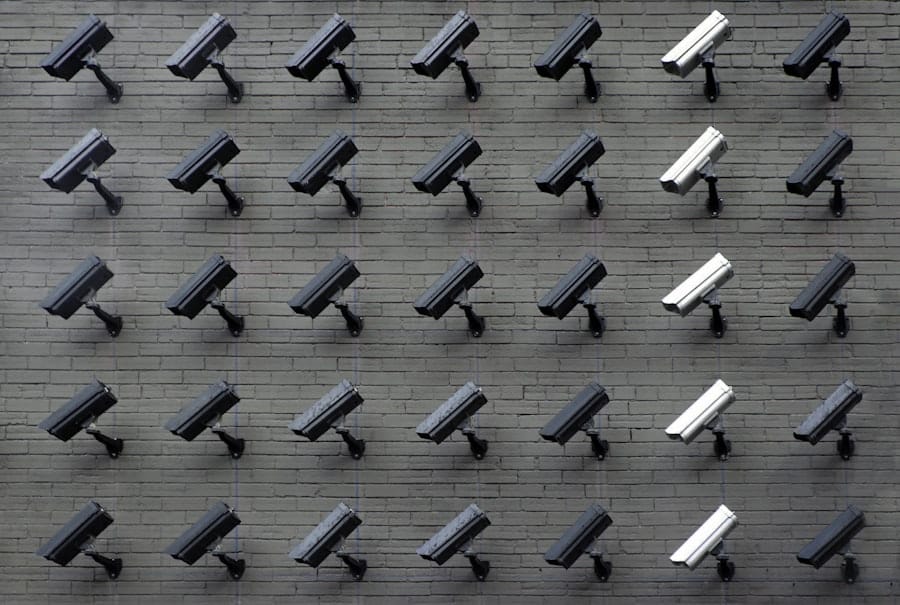
Selecting the ideal video home security system for your residence requires careful consideration of several factors. First and foremost, assess the size and layout of your property. A larger home may necessitate multiple cameras to cover all entry points effectively, while a smaller space might only require a few strategically placed units.
Additionally, consider the specific areas you want to monitor, such as driveways, entrances, or backyards, as this will influence the type and number of cameras you need. Another critical aspect to evaluate is the system’s compatibility with your existing technology. Many modern video home security systems integrate seamlessly with smart home devices, allowing for enhanced functionality and control.
Look for systems that offer mobile app access, cloud storage options, and compatibility with voice assistants like Amazon Alexa or Google Assistant. By choosing a system that aligns with your lifestyle and technological preferences, you can ensure that your video home security solution meets your needs effectively.
Installation and Setup of Video Home Security Systems
Once you’ve chosen the right video home security system for your home, the next step is installation and setup. Depending on the complexity of the system, you may opt for professional installation or tackle the project yourself. If you choose the DIY route, most manufacturers provide comprehensive instructions and online resources to guide you through the process.
Begin by determining the optimal locations for your cameras, ensuring they cover key areas while remaining discreet. After positioning the cameras, you’ll need to connect them to your recording device or cloud service. This typically involves connecting the cameras to your Wi-Fi network and configuring settings through a mobile app or web interface.
Pay close attention to camera angles and ensure that they are securely mounted to prevent tampering. Once everything is set up, take some time to test the system thoroughly. Check the video quality, motion detection settings, and remote access capabilities to ensure everything functions as intended.
Monitoring and Accessing Your Video Home Security System
Monitoring your video home security system is crucial for maintaining a secure environment. Most systems allow you to access live feeds from your cameras through a dedicated app on your smartphone or tablet. This feature enables you to check in on your property at any time, providing reassurance when you’re away from home.
Additionally, many systems offer cloud storage options for recorded footage, allowing you to review past events if necessary. Notifications play a vital role in keeping you informed about any unusual activity detected by your cameras. You can customize alert settings based on your preferences, receiving instant notifications when motion is detected or when specific events occur.
This proactive approach ensures that you remain aware of any potential threats and can take appropriate action if needed. By regularly monitoring your system and reviewing footage, you can enhance your overall security strategy.
Integrating Video Home Security Systems with Other Smart Home Devices
One of the most exciting aspects of modern video home security systems is their ability to integrate with other smart home devices. This interconnectedness allows for a more comprehensive approach to home security and automation. For instance, you can link your video cameras with smart doorbells, motion sensors, and smart locks to create a cohesive security network that enhances your overall safety.
By integrating these devices, you can automate various functions based on specific triggers. For example, if a camera detects motion at your front door, it can automatically unlock the smart lock for authorized visitors or send an alert to your smartphone. This level of automation not only streamlines your daily routines but also provides an added layer of security by ensuring that all components work together seamlessly.
Common Features and Options for Video Home Security Systems
When exploring video home security systems, you’ll encounter a range of features designed to enhance their functionality and effectiveness. One common option is high-definition video quality, which provides clear images that are crucial for identifying individuals or events captured on camera. Many systems also offer wide-angle lenses that expand the field of view, allowing you to monitor larger areas with fewer cameras.
Another popular feature is cloud storage for recorded footage. This option ensures that even if your recording device is damaged or stolen, you still have access to important video evidence stored securely online. Additionally, some systems come equipped with advanced analytics capabilities that can differentiate between people, pets, and vehicles, reducing false alarms and improving overall monitoring accuracy.
Tips for Maximizing the Effectiveness of Your Video Home Security System
To ensure that your video home security system operates at its best, consider implementing several best practices. First and foremost, regularly update the firmware of your cameras and recording devices. Manufacturers often release updates that enhance performance and address security vulnerabilities.
By keeping your system up-to-date, you can ensure optimal functionality and protection against potential threats. Another essential tip is to review camera placements periodically. As landscaping changes or new structures are built around your property, certain areas may become less visible or require additional coverage.
Regularly assessing your setup allows you to make necessary adjustments and maintain comprehensive surveillance of your home. Additionally, consider involving family members in monitoring responsibilities so that everyone is aware of how the system works and can respond effectively in case of an emergency. In conclusion, investing in a video home security system offers numerous benefits that enhance both safety and peace of mind.
By understanding how these systems work and carefully selecting the right one for your needs, you can create a robust security solution tailored to your lifestyle. With proper installation, monitoring practices, and integration with other smart devices, you’ll be well-equipped to protect your home effectively while enjoying the convenience of modern technology.
If you’re considering enhancing the security of your home with a video home security system, you might find the article “Be Confident in Your Home’s Safety with Reliable Security Services” particularly useful. This article discusses various aspects of securing your home and emphasizes the importance of reliable security services. It provides insights into the latest technologies in home security systems and how they can help protect your property and loved ones. For more detailed information, you can read the full article here.
FAQs
What is a video home security system?
A video home security system is a set of cameras and other devices that are installed in and around a home to monitor and record activity. These systems can be used to deter burglars, monitor children and pets, and provide evidence in the event of a break-in or other incident.
How does a video home security system work?
Video home security systems typically consist of cameras, a central control panel, and sometimes additional sensors such as motion detectors or door/window sensors. The cameras capture video footage, which can be viewed in real-time or recorded for later viewing. Many systems also offer remote access, allowing homeowners to view their cameras from a smartphone or computer.
What are the benefits of a video home security system?
Video home security systems provide peace of mind by allowing homeowners to monitor their property while they are away. They can also deter burglars and provide evidence in the event of a break-in. Additionally, some insurance companies offer discounts on homeowners’ insurance for homes with security systems installed.
Are video home security systems easy to install?
Many video home security systems are designed for easy DIY installation, with wireless cameras and simple setup processes. However, some homeowners may prefer to have their system professionally installed to ensure proper placement and functionality.
What should I consider when choosing a video home security system?
When choosing a video home security system, it’s important to consider factors such as the size and layout of your home, the number of cameras needed, whether you want indoor and outdoor coverage, and whether you want additional features such as motion detection or remote access. It’s also important to consider the reputation and reliability of the security system provider.


