


You’re looking to enhance the security of your doors, and you want to know which locks will provide the highest level of protection. With so many options available, it can be overwhelming to determine which types of locks are the most secure. Fortunately, this article will offer valuable insights into the various types of locks that will help you make an informed decision. From deadbolt locks to smart locks, we’ll explore the features and benefits of each, allowing you to choose the best lock to keep your doors safe and secure.
1. Deadbolt Locks
When it comes to securing your doors, deadbolt locks are an excellent choice. Deadbolts provide added security by being more resistant to forced entry compared to traditional spring bolt locks. There are several types of deadbolt locks to choose from, each offering its own unique features and benefits.
1.1 Single Cylinder Deadbolts
Single cylinder deadbolts are the most common type of deadbolt locks used in residential applications. This type of deadbolt uses a key cylinder on the outside and a thumbturn on the inside to lock and unlock the door. It provides a high level of security from outside threats and is easy to operate from the inside.
1.2 Double Cylinder Deadbolts
Double cylinder deadbolts offer an increased level of security compared to single cylinder deadbolts. This type of deadbolt requires a key to lock and unlock the door from both the inside and the outside. It is especially useful for doors with glass panels or windows near the lock, as it prevents intruders from reaching inside and unlocking the door.
1.3 Captive Deadbolts
Captive deadbolts, also known as captive key or captive thumbturn deadbolts, provide an added layer of security. Unlike traditional deadbolts where the key or thumbturn can be removed when the door is unlocked, captive deadbolts keep the key or thumbturn captive, ensuring that it cannot be removed unless the door is locked. This prevents unauthorized access from manipulating the lock mechanism.
2. Smart Locks
In today’s digital age, smart locks have gained popularity for their convenience and enhanced security features. These innovative locks offer keyless entry options and can be controlled remotely through a smartphone or other smart devices. Here are some of the different types of smart locks available:
2.1 Keyless Entry Smart Locks
Keyless entry smart locks eliminate the need for physical keys by allowing you to enter your home with a personalized access code. These locks often have a touchscreen or numeric keypad where you can enter your code to unlock the door. You can also create temporary codes for guests or service providers, ensuring flexibility and convenience.
2.2 Biometric Smart Locks
Biometric smart locks take security to the next level by utilizing your unique biological features, such as fingerprint or retina scans, to grant access. These locks provide a high level of security and eliminate the need for keys or access codes. Biometric data is stored securely within the lock, making it nearly impossible to duplicate or tamper with.
2.3 Remote-Controlled Smart Locks
Remote-controlled smart locks allow you to control and monitor your locks from anywhere using your smartphone or other smart devices. With this feature, you can lock or unlock your doors remotely, receive notifications of activity, and grant access to others even when you’re not at home. These locks provide convenience and peace of mind, especially when it comes to managing access to your property.
3. Mortise Locks
Mortise locks are a popular choice for commercial and high-security applications. These locks are installed within the door, providing a sturdy and durable locking mechanism. Mortise locks are available in different configurations, including:
3.1 Mortise Cylinder Locks
Mortise cylinder locks are commonly used in commercial buildings and offer a high level of security. These locks use a threaded cylinder that screws into the mortise lock body and is secured with a set screw. The cylinder can be replaced or rekeyed easily, providing convenience and flexibility.
3.2 Mortise Sash Locks
Mortise sash locks are often found in residential applications and offer increased security compared to standard mortise locks. These locks have a latch and bolt mechanism that engages with the strike plate, ensuring a secure fit. Mortise sash locks typically have multiple locking points, making it difficult for intruders to force open the door.
4. Keyless Entry Systems
Keyless entry systems provide convenience and security by eliminating the need for traditional keys. These systems use alternative methods, such as keypad entry, proximity cards, or biometrics, to grant access. Here are some common types of keyless entry systems:
4.1 Keypad Entry Systems
Keypad entry systems allow users to enter a pre-set combination of numerical codes to unlock the door. These systems are commonly used in residential and commercial settings, providing convenience and ease of use. Keypad entry systems can also be combined with other security measures, such as alarms or surveillance systems, for enhanced security.
4.2 Proximity Card Entry Systems
Proximity card entry systems use proximity cards or key fobs to grant access to secured areas. These cards or key fobs contain an embedded electronic chip that communicates with the card reader near the door. When the card or key fob is held up to the reader, the door unlocks if the card is authorized. This type of keyless entry system is commonly used in office buildings and allows for easy administration of access privileges.
4.3 Biometric Entry Systems
Biometric entry systems use unique biological features, such as fingerprints or retina scans, to verify and grant access. These systems provide a high level of security as biometric data is difficult to replicate. Biometric entry systems are often used in high-security areas where access control is critical, such as government buildings or research facilities.

5. High-Security Locks
For those seeking the highest level of security, high-security locks are the way to go. These locks are specifically designed to resist manipulation and defeat by advanced burglary techniques. Here are three reputable brands known for their high-security locks:
5.1 Medeco Locks
Medeco locks are renowned for their patented key control systems, making them virtually impossible to duplicate without the owner’s permission. These locks utilize angled key cuts and rotating pins, making them highly resistant to picking, drilling, and other common bypassing techniques. Medeco locks are frequently used in government buildings and other high-security environments.
5.2 Mul-T-Lock Locks
Mul-T-Lock locks are known for their advanced technology and exceptional resistance to tampering. These locks feature a unique pin design that requires special tools and keys for manipulation. Mul-T-Lock locks are pick-resistant, drill-resistant, and offer reinforced key control. They are popular choices for residential and commercial security needs.
5.3 Assa Abloy Locks
Assa Abloy locks are synonymous with high-quality and high-security. These locks feature advanced key control systems and cutting-edge technology, ensuring maximum protection against unauthorized access. Assa Abloy locks are resistant to drilling, picking, and other forced entry methods. They are commonly used in commercial buildings, government facilities, and high-end residential properties.
6. Rim Locks
Rim locks are surface-mounted locks that are commonly used on wooden doors. They are an excellent choice for additional security or as a secondary lock alongside a deadbolt. Rim locks come in different variations, including:
6.1 Outside Mounted Rim Locks
Outside mounted rim locks, also known as rim nightlatches, are installed on the surface of the door on the outside. These locks provide a visible deterrent to potential intruders and can be easily installed and operated. Outside mounted rim locks often have a latch that automatically locks when the door closes.
6.2 Inside Mounted Rim Locks
Inside mounted rim locks, also known as surface-mounted rim locks, are installed on the surface of the door on the inside. These locks are commonly used as secondary locking mechanisms and can be easily installed without the need for major modifications to the door. Inside mounted rim locks often have a traditional key-operated mechanism for locking and unlocking.

7. Euro Cylinder Locks
Euro cylinder locks are widely used in Europe, known for their versatility and ease of installation. These locks are designed to fit into doors that have a Euro profile cylinder cutout. Euro cylinder locks come in different variations, including:
7.1 Single Cylinder Euro Cylinder Locks
Single cylinder Euro cylinder locks operate with a key on one side and a thumbturn on the other. These locks provide convenience and ease of use, allowing quick access from the inside without the need for a key. Single cylinder Euro cylinder locks are commonly used in residential applications.
7.2 Double Cylinder Euro Cylinder Locks
Double cylinder Euro cylinder locks operate with a key on both sides, requiring a key to lock or unlock the door from either side. These locks provide increased security, especially for doors with glass panels or windows, as they prevent unauthorized access from reaching inside through the glass.
7.3 Thumbturn Euro Cylinder Locks
Thumbturn Euro cylinder locks operate with a thumbturn on both sides, eliminating the need for a key. These locks provide convenience and quick access from both the inside and outside. Thumbturn Euro cylinder locks are commonly used in residential settings where ease of use is a priority.
8. Padlocks
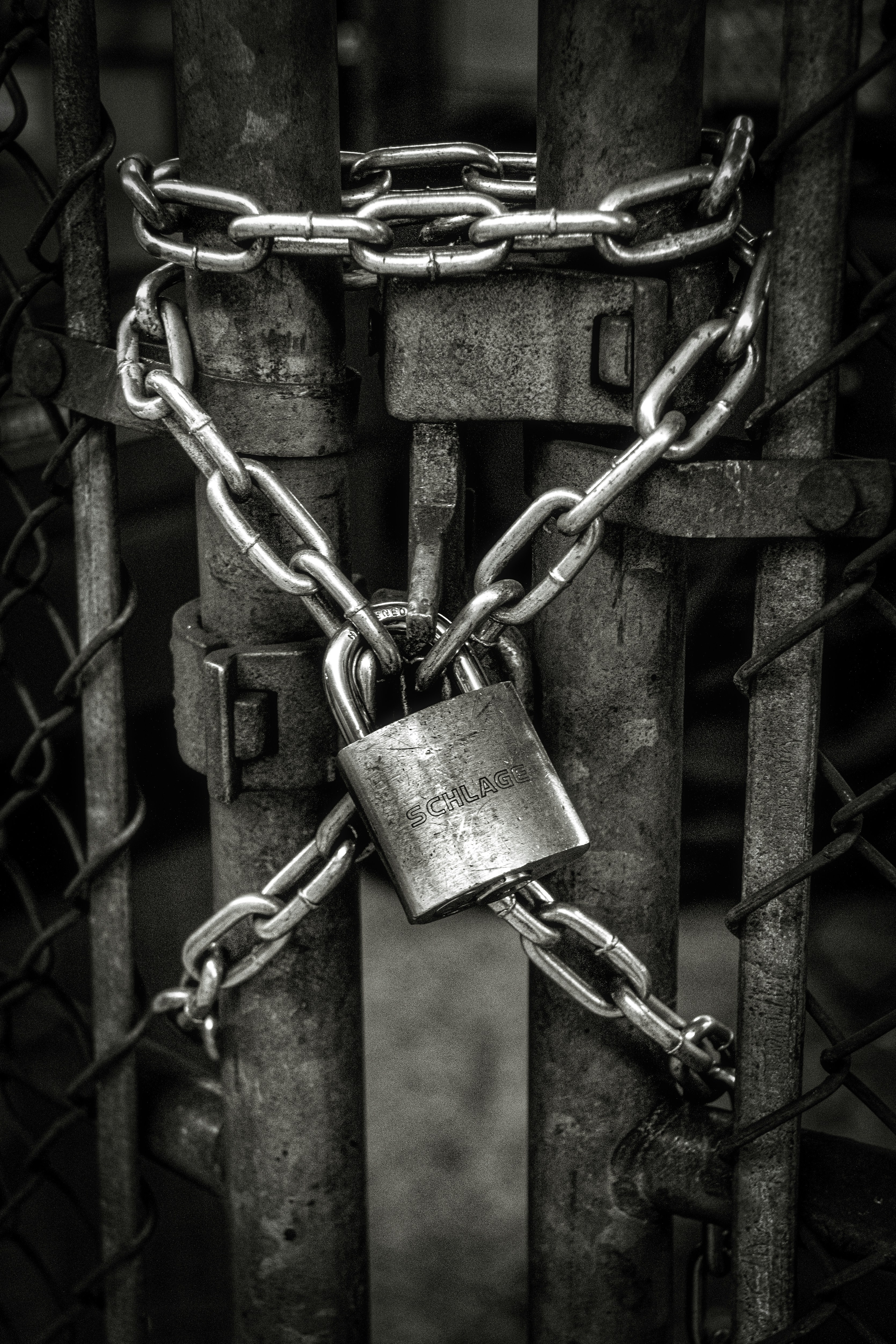
Padlocks are portable locks that can be used to secure a wide range of items, including gates, lockers, and storage units. They come in various designs and offer different levels of security. Here are some common types of padlocks:
8.1 Keyed Padlocks
Keyed padlocks are the most traditional type of padlock and require a key to unlock and lock. These padlocks come in various sizes and strengths depending on the level of security required. Keyed padlocks are commonly used to secure gates, sheds, and other outdoor structures.
8.2 Combination Padlocks
Combination padlocks provide convenience by eliminating the need for keys. Instead, they use a combination of numbers or letters to unlock and lock. Combination padlocks are popular choices for gym lockers, school lockers, and personal luggage.
8.3 Bluetooth Padlocks
Bluetooth padlocks are a modern take on traditional padlocks, allowing wireless control and monitoring via a smartphone app. These padlocks offer convenience and eliminate the risk of losing keys or forgetting combinations. Bluetooth padlocks are commonly used for personal lockers, bicycles, or outdoor equipment.
9. Cam Locks
Cam locks are simple, yet effective locking mechanisms that are often used in cabinets, drawers, and mailboxes. They consist of a cylindrical body with a rotating cam, which locks or unlocks the mechanism when the key is turned. Here are some common types of cam locks:
9.1 Tubular Cam Locks
Tubular cam locks use a round key to operate and are commonly found in vending machines, filing cabinets, and security boxes. These locks provide a high level of security and can be easily rekeyed for added convenience.
9.2 Flat Key Cam Locks
Flat key cam locks are widely used in various applications, including lockers, cash registers, and desk drawers. These locks use a flat key with cuts along the edge to operate the locking mechanism. Flat key cam locks are available in different lengths and strength levels, providing flexibility depending on the specific application.
9.3 High-Security Cam Locks
High-security cam locks provide added protection against picking, drilling, and other forms of tampering. These locks feature intricate keyways and advanced mechanisms to deter unauthorized access attempts. High-security cam locks are commonly used in high-risk environments, such as financial institutions or government facilities.
10. Interchangeable Core Locks
Interchangeable core locks offer versatility and ease of rekeying, making them practical for buildings with high turnover rates or frequent changes in access control. These locks feature a removable core that can be replaced without disassembling the entire lock. Here are some types of interchangeable core locks:
10.1 Key Removable Core Locks
Key removable core locks allow for quick and easy core replacement or rekeying by using a special control key. When the control key is inserted into the core, it can be easily removed, allowing for seamless rekeying. Key removable core locks are commonly used in commercial buildings and institutions.
10.2 Control Keyway Core Locks
Control keyway core locks provide an added level of key control and security. These locks utilize special control keys that are required to remove and replace the core. Control keyway core locks are often used in applications where strict key control is necessary, such as government facilities or healthcare settings.
10.3 Construction Core Locks
Construction core locks are temporary locks commonly used during the construction or renovation of buildings. These locks have a removable core that allows quick and easy replacement when needed. Construction core locks are designed to provide basic security and can be easily replaced with a permanent core once construction is complete.
In conclusion, the highest level of security for your doors can be achieved by selecting the right type of lock based on your specific needs and requirements. Deadbolt locks, smart locks, mortise locks, keyless entry systems, high-security locks, rim locks, Euro cylinder locks, padlocks, cam locks, and interchangeable core locks all offer various levels of security and convenience. By understanding the different types of locks available and their features, you can make an informed decision to ensure the utmost safety for your property. Remember to consider factors such as the level of resistance to forced entry, ease of use, and the specific needs of your application when choosing the right lock.


