


Imagine feeling safe and secure in your own home, knowing that a highly intelligent system is watching over you and your loved ones. It’s no longer just a dream, thanks to the power of artificial intelligence (AI). In this article, we will explore how AI is revolutionizing home security, from enhanced surveillance capabilities to proactive threat detection. Get ready to discover how this groundbreaking technology is transforming the way we protect our homes and bringing unparalleled peace of mind.

Enhancing Traditional Security Measures
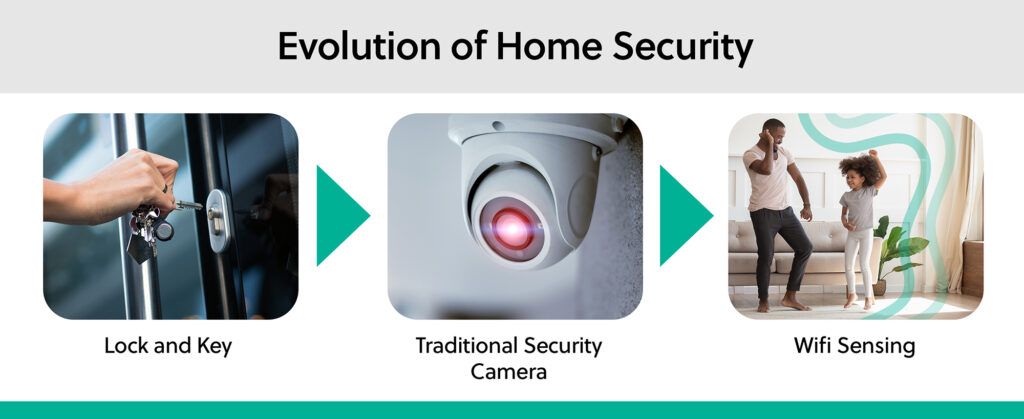
Traditional security measures, such as surveillance cameras, have served as a deterrent and a means of identifying criminal activities for many years. However, with advancements in artificial intelligence (AI), these measures can now be enhanced to provide even greater effectiveness and efficiency.
Integrating AI-powered surveillance cameras
By integrating AI into surveillance cameras, these devices can now not only capture video footage but also analyze and interpret it in real-time. AI-powered cameras can detect and track suspicious movements, objects, or individuals, alerting homeowners or authorities when necessary. This technology enables a proactive approach to security, allowing for faster response times and increased protection.
Using facial recognition technology
One of the most significant advancements in AI-powered security systems is facial recognition technology. This technology allows cameras to identify individuals by analyzing their facial features. By utilizing facial recognition, homeowners can have an added layer of security by setting their surveillance systems to detect and notify them of any unrecognized or potentially threatening individuals on their property.
Implementing voice recognition systems
Voice recognition systems provide another innovative way to enhance traditional security measures. By implementing this technology, homeowners can control their security systems using voice commands, making it easier and quicker to arm or disarm alarms, lock doors, or activate other security features. Voice recognition systems add convenience while maintaining a high level of security.
Predictive Analysis for Proactive Security
Predictive analysis, powered by AI and machine learning algorithms, takes home security to the next level. This technology has the capability to proactively identify and alert homeowners of potential threats before they occur, allowing for more efficient and effective security measures.
Utilizing machine learning algorithms for risk assessment
Machine learning algorithms analyze vast amounts of data collected from various sources, such as surveillance cameras, sensors, and even online platforms, to assess potential risks. By learning from patterns and trends, these algorithms can predict potential security breaches and provide homeowners with a proactive warning.
Analyzing data to identify patterns and anomalies
Through AI-powered data analysis, patterns and anomalies can be identified and assessed to determine potential security risks. By analyzing data collected from different sources, such as motion sensors, door access logs, and even weather patterns, security systems can detect unusual activities and alert homeowners, helping prevent potential security breaches.
Providing real-time alerts for potential threats
Real-time alerts are crucial in proactive security measures. AI-powered security systems can send instant notifications to homeowners’ mobile devices when unusual activities or potential threats are detected. This allows homeowners to respond promptly, whether it’s contacting authorities or taking necessary actions to ensure their safety.

Smart Monitoring and Remote Control
With the advancement of AI technology, monitoring and controlling home security systems have become easier and more accessible than ever before. Homeowners can now remotely monitor and control their security systems using their mobile devices, providing convenience and peace of mind.
Enabling remote monitoring via mobile devices
AI-powered security systems can be connected to homeowners’ mobile devices, allowing for remote monitoring from anywhere, at any time. With the ability to access live video feeds, receive real-time alerts, and control security features remotely, homeowners can stay connected and have complete control over their home security even when they are away.
Controlling security systems with voice commands
With the integration of AI voice recognition systems, controlling security systems has become more convenient and hands-free. Homeowners can now issue voice commands to their security systems, such as arming or disarming alarms, locking doors, or turning on/off surveillance cameras, without the need for physical interaction. This feature adds convenience while maintaining a high level of security.
Customizing security settings from anywhere
AI-powered security systems provide homeowners with the flexibility to customize their security settings from anywhere. Whether it’s adjusting motion detection sensitivity, setting specific security schedules, or creating user-specific access permissions, homeowners can easily personalize their security settings to meet their specific needs and preferences.
Virtual Assistance and Home Automation
In addition to providing enhanced security, AI technology has also revolutionized the concept of virtual assistance and home automation, bringing convenience and efficiency into every aspect of everyday life.
Integrating AI assistants for enhanced security management
AI assistants, such as Amazon Alexa or Google Assistant, can be integrated into home security systems to provide comprehensive security management. With virtual assistance, homeowners can easily control and monitor their security systems using voice commands, receive real-time updates on the security status, and even access recorded footage simply by asking their AI assistant. This integration enhances the overall user experience and simplifies security management.
Automating routine tasks for improved convenience
AI technology enables automation of routine tasks, such as turning lights on and off, adjusting thermostats, or locking doors, based on homeowners’ preferences and schedules. This not only adds convenience but also enhances security by creating a simulated presence, giving the illusion that someone is home even when homeowners are away. Automated routines ensure that essential security measures are taken care of, providing peace of mind to homeowners.
Creating a seamless connected home ecosystem
AI-powered home security systems can be seamlessly integrated with other smart home devices, creating a connected ecosystem that enhances security and automation. By integrating security cameras with smart door locks, motion sensors with lighting systems, or even surveillance systems with environmental sensors, homeowners can have a comprehensive and cohesive approach to home security. This integration allows for interaction and collaboration between devices, further enhancing the effectiveness and efficiency of home security measures.

Adaptive and Learning Security Systems
AI technology allows for the development of adaptive and learning security systems, constantly evolving to meet homeowners’ needs and stay one step ahead of potential threats. These systems learn from user behaviors and patterns, improving their detection accuracy over time.
Developing AI systems that adapt to user behaviors
AI-powered security systems can learn and adapt to homeowners’ behaviors and routines, distinguishing between normal activities and potential threats. For example, if a homeowner typically arrives home from work around 6 p.m., the system will recognize this pattern and adjust the security settings accordingly. By adapting to user behaviors, security systems minimize false alerts while maintaining a high level of detection accuracy.
Improving detection accuracy over time through machine learning
Through machine learning algorithms, AI-powered security systems continuously improve their detection accuracy over time. By analyzing data from multiple sources, identifying patterns, and learning from past events, these systems become more adept at distinguishing between authorized and unauthorized activities. This improvement in accuracy ensures that security systems are reliable and effective in detecting potential threats.
Enhancing home security based on user preferences
AI technology allows homeowners to personalize their security systems based on their preferences. Whether it’s adjusting motion sensor sensitivity to reduce false alarms, setting specific security schedules, or customizing user permissions, AI-powered security systems can be tailored to meet individual needs. This level of customization enhances the overall home security experience and provides homeowners with peace of mind.
Data Privacy and Protection
While the integration of AI brings numerous benefits to home security systems, it’s crucial to prioritize data privacy and protection. AI-powered security systems must implement robust encryption methods, secure cloud storage, and stringent data handling practices to safeguard user privacy.
Implementing robust encryption methods
To ensure the privacy and security of user data, AI-powered security systems should use robust encryption methods. By encrypting data while it’s transmitted and stored, sensitive information becomes unreadable to unauthorized individuals, reducing the risk of data breaches.
Ensuring secure cloud storage of surveillance data
AI-driven security systems often store surveillance footage and other data in the cloud. It is essential for security providers to prioritize secure cloud storage to protect this information from unauthorized access. Robust security measures, such as encryption and access controls, should be implemented to ensure the integrity and confidentiality of the data stored in the cloud.
Protecting user privacy with rigorous data handling practices
AI-powered security systems handle sensitive personal data, including video footage and user preferences. Security providers must establish rigorous data handling practices to protect user privacy. This includes implementing strict access controls, conducting regular security audits, and ensuring compliance with data protection regulations. By prioritizing data privacy, AI-powered security systems can provide homeowners with peace of mind and maintain user trust.
Enhanced Deterrence with AI-enabled Features
In addition to providing advanced detection and monitoring capabilities, AI-enabled security systems offer features that enhance deterrence, making homes less attractive targets for potential intruders.
Simulating presence with AI-powered lighting and audio
AI-powered security systems can simulate presence by controlling lighting and audio devices. By automatically turning on lights when motion is detected or playing pre-recorded audio messages, homeowners can create the illusion that someone is present, even when the house is vacant. This deterrent significantly reduces the likelihood of intrusions, as potential intruders are less likely to target homes that appear occupied.
Utilizing smart doorbell cameras for visitor identification
AI-powered smart doorbell cameras provide an additional layer of security by allowing homeowners to identify and interact with visitors remotely. With facial recognition technology, homeowners can be alerted when someone approaches their door and can see and speak to the visitor through their mobile device. This feature enhances home security by providing homeowners with the ability to verify visitors’ identities and control access to their homes.
Implementing AI-based alarm systems for prompt response
AI-based alarm systems can provide prompt response capabilities in case of emergencies or security breaches. By integrating detection sensors with AI algorithms, these systems can differentiate between normal events and potential threats. When a potential threat is detected, the alarm system can immediately alert homeowners and authorities, ensuring a swift response to mitigate potential risks.
Seamless Integration with IoT Devices
The Internet of Things (IoT) has revolutionized how devices communicate and interact with each other. AI-powered security systems can seamlessly integrate with IoT devices, creating a comprehensive ecosystem that enhances overall home security.
Connecting AI-powered security systems with IoT devices
By connecting AI-powered security systems with IoT devices, homeowners can create a network of interconnected devices that work together to enhance home security. For example, security cameras can communicate with motion sensors, environmental sensors, and even smart door locks. This integration allows for the exchange of information and provides a holistic approach to home security.
Enhancing collaboration and automation with smart home devices
AI-enabled security systems can collaborate and automate tasks with other smart home devices. For instance, when a security camera detects motion in a specific area, it can trigger the lighting system to turn on in that area, effectively deterring potential intruders. This collaboration between devices enhances home security by providing a synchronized response to potential threats.
Improving overall home security through comprehensive integration
Comprehensive integration of AI-powered security systems with IoT devices improves the overall effectiveness of home security measures. By combining the capabilities of various devices, homeowners can ensure that their homes are protected from multiple angles. Whether it’s surveillance cameras, motion sensors, or smart locks, the integration of these devices creates a comprehensive security solution that provides homeowners with peace of mind.
Reducing False Alarms with AI Algorithms
False alarms can be a significant inconvenience and can diminish the effectiveness of home security systems. AI algorithms can help reduce false alarms by improving the accuracy of detection and distinguishing between authorized and unauthorized activities.
Implementing intelligent video analytics for accurate detection
AI-powered security systems utilize intelligent video analytics to accurately detect potential threats. By analyzing video footage in real-time, these algorithms can distinguish between normal events, such as a pet passing by, and potential security breaches, such as an intruder. This reduces the occurrence of false alarms, ensuring that homeowners are only alerted when necessary.
AI algorithms can learn and recognize authorized activities based on user behaviors and patterns. By understanding homeowners’ routines and preferences, security systems can identify normal activities and distinguish them from potential threats. This capability significantly reduces false alarms and ensures that homeowners are only notified of actual security risks.
Minimizing false alerts to prevent unnecessary response
False alerts can lead to unnecessary responses, causing inconvenience and potential costs for homeowners. AI-powered security systems aim to minimize these false alerts by constantly learning and adapting. With machine learning algorithms, these systems become more accurate over time, reducing the occurrence of false alarms and providing homeowners with a reliable and effective security solution.
Future Prospects and Innovations
The integration of AI in home security systems offers countless possibilities for future innovation and advancement. As technology continues to evolve, there are several exciting prospects on the horizon.
Implementing biometric authentication for heightened security
Biometric authentication, such as fingerprint or iris recognition, holds promise for enhancing home security. By implementing AI-powered biometric authentication, homeowners can ensure that only authorized individuals have access to their homes, significantly reducing the risk of unauthorized entry.
Integrating AI-powered drones for aerial surveillance
AI-powered drones have the potential to revolutionize home security by providing aerial surveillance capabilities. Drones equipped with cameras and AI algorithms can patrol the surroundings, detect potential threats, and relay real-time video feeds to homeowners or security personnel. This innovation offers an additional layer of security, especially for larger properties.
Exploring the potential of AI to detect and prevent emerging threats
As AI technology continues to advance, researchers and developers are exploring its potential to detect and prevent emerging threats. Whether it’s identifying new types of cyberattacks or analyzing patterns to predict potential security vulnerabilities, AI has the potential to revolutionize how home security systems adapt and respond to rapidly evolving threats.
In conclusion, AI technology has revolutionized home security by enhancing traditional measures, enabling proactive security through predictive analysis, providing smart monitoring and remote control capabilities, integrating virtual assistance and home automation, developing adaptive and learning security systems, prioritizing data privacy and protection, enhancing deterrence with AI-enabled features, seamlessly integrating IoT devices, reducing false alarms with AI algorithms, and offering numerous prospects for future innovation. With AI-powered home security systems, homeowners can enjoy enhanced protection, convenience, and peace of mind, knowing that their homes and loved ones are secure.


