


When you think about home security, a variety of devices may come to mind. From alarm systems to surveillance cameras, these tools are designed to protect your home and loved ones. Understanding the different types of home security system devices is crucial for making informed decisions about your safety.
You might find that some devices are more suited to your needs than others, depending on your lifestyle and the specific vulnerabilities of your home. For instance, motion detectors can alert you to any unusual activity around your property, while door and window sensors can notify you if someone tries to gain unauthorized access. Surveillance cameras, both indoor and outdoor, provide visual evidence of any incidents that may occur.
Additionally, smart locks allow you to control access to your home remotely, giving you peace of mind when you’re away. By familiarizing yourself with these devices, you can create a comprehensive security plan tailored to your unique situation.
Key Takeaways
- Understanding the different home security system devices is crucial for effective scheduling and usage.
- Scheduling home security system devices is important for maximizing their efficiency and ensuring comprehensive protection.
- Scheduling home security system devices can be done through the system’s control panel or mobile app, allowing for customization and flexibility.
- The benefits of scheduling home security system devices include energy savings, convenience, and enhanced security.
- Common mistakes to avoid when scheduling home security system devices include overlooking regular maintenance and failing to update schedules as needed.
The Importance of Scheduling Home Security System Devices
Scheduling your home security system devices is an often-overlooked aspect of maintaining a secure environment. You may not realize that simply having these devices installed is not enough; they need to be actively managed to ensure optimal performance. Scheduling allows you to set specific times for your devices to operate, which can enhance their effectiveness and provide a greater sense of security.
For example, you might want your outdoor lights to turn on at dusk and off at dawn, creating the illusion that someone is home even when you’re not. Similarly, scheduling your surveillance cameras to record during specific hours can help you monitor activity when you’re away. By taking the time to schedule these devices, you can create a more proactive approach to home security, making it harder for potential intruders to target your property.
How to Schedule Home Security System Devices
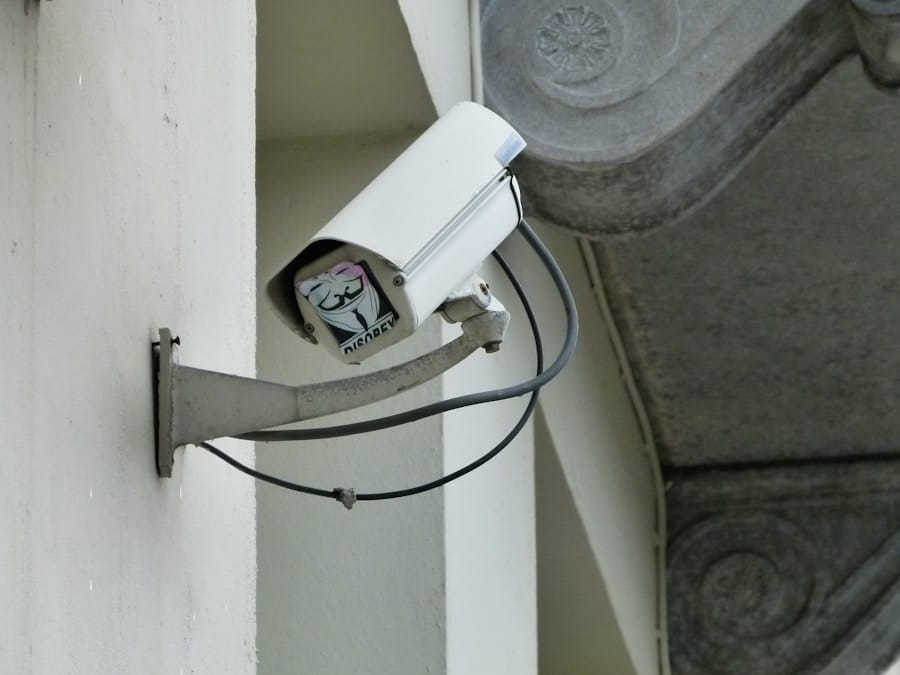
Scheduling your home security system devices may seem daunting at first, but it can be a straightforward process once you understand the steps involved. Most modern security systems come with user-friendly apps or interfaces that allow you to customize settings easily. Start by reviewing the user manual for each device, as it will provide specific instructions on how to access scheduling features.
Once you’ve familiarized yourself with the interface, begin by identifying which devices you want to schedule. For instance, if you have smart lights, consider setting them to turn on at sunset and off at sunrise. If you have a security camera, you might want it to record during the night when you’re most vulnerable.
After determining the desired schedule for each device, input the times into the app or interface. Don’t forget to test the settings after scheduling to ensure everything is functioning as intended.
Benefits of Scheduling Home Security System Devices
The benefits of scheduling your home security system devices extend beyond mere convenience; they can significantly enhance your overall safety and peace of mind. One of the primary advantages is the ability to create a consistent security routine that deters potential intruders. When lights turn on automatically or cameras begin recording at specific times, it sends a clear message that your home is being monitored.
Additionally, scheduling can help you save energy and reduce costs. For example, if you have smart lights that are programmed to turn off during the day when natural light is abundant, you’ll save on electricity bills while still maintaining a secure environment. Furthermore, scheduled devices can provide you with real-time alerts and notifications, allowing you to stay informed about any unusual activity around your home.
Common Mistakes to Avoid When Scheduling Home Security System Devices
While scheduling your home security system devices can be beneficial, there are common pitfalls that you should be aware of to maximize their effectiveness. One mistake is failing to regularly review and update your schedules. Life changes—such as new work hours or family dynamics—can affect when you’re home or away.
If you don’t adjust your schedules accordingly, you may inadvertently leave gaps in your security. Another common error is neglecting to test your scheduled settings periodically. Just because you’ve set a schedule doesn’t mean it will work flawlessly forever.
Devices may require updates or maintenance over time, and testing ensures that everything is functioning as expected. Additionally, be cautious about over-scheduling; too many devices operating simultaneously can lead to confusion or even malfunction.
Integrating Home Security System Devices with Smart Home Technology
In today’s digital age, integrating your home security system devices with smart home technology can elevate your security measures significantly. Smart home systems allow for seamless communication between various devices, enabling them to work together in harmony. For instance, if a motion detector senses movement outside your home, it can trigger outdoor lights to turn on and send an alert to your smartphone.
You might also consider using voice-activated assistants like Amazon Alexa or Google Assistant to control your security devices hands-free. This integration not only enhances convenience but also allows for more sophisticated scheduling options. For example, you could set up routines where certain devices activate based on specific triggers—like locking doors when you leave for work or turning on cameras when you go to bed.
Tips for Maximizing the Efficiency of Scheduled Home Security System Devices
To get the most out of your scheduled home security system devices, consider implementing a few best practices. First and foremost, ensure that all devices are connected to a reliable Wi-Fi network. A stable connection is essential for remote access and real-time notifications.
If you’re experiencing connectivity issues, it may be worth investing in a Wi-Fi extender or upgrading your internet plan. Another tip is to utilize geofencing technology if available with your devices. Geofencing allows your security system to recognize when you’re leaving or approaching home based on your smartphone’s location.
This feature can automatically adjust schedules based on your whereabouts—turning on lights as you arrive home or activating cameras when you leave. Lastly, regularly review and analyze any alerts or notifications from your devices; this data can provide valuable insights into patterns of activity around your home.
The Future of Scheduled Home Security System Devices
As technology continues to evolve, the future of scheduled home security system devices looks promising. Innovations in artificial intelligence and machine learning are paving the way for smarter systems that can adapt to your lifestyle and preferences over time. Imagine a security system that learns when you’re typically home or away and adjusts its settings accordingly without requiring manual input.
Moreover, as smart home technology becomes more integrated into our daily lives, the potential for enhanced security measures will only grow. You may soon find yourself relying on advanced analytics that predict potential threats based on historical data or even receive proactive alerts about unusual patterns in activity around your property. By embracing these advancements and staying informed about new developments in home security technology, you can ensure that your home remains a safe haven for years to come.
If you are interested in learning more about modern home security solutions, you may want to check out the article Beyond Locks and Alarms: Modern Home Security Solutions. This article discusses innovative ways to enhance the security of your home beyond traditional methods. It provides valuable insights into the latest technologies and strategies that can help protect your property and loved ones.
FAQs
What is a home security system?
A home security system is a network of integrated electronic devices designed to secure a home against intruders and other potential dangers such as fire and carbon monoxide.
Can I schedule the functioning of home security system devices?
Yes, many modern home security systems offer the ability to schedule the functioning of devices such as cameras, lights, and alarms. This allows homeowners to automate their security system based on their daily routines and preferences.
How can I schedule the functioning of home security system devices?
The process of scheduling the functioning of home security system devices varies depending on the specific system being used. In general, it typically involves accessing the system’s control panel or mobile app and setting up specific times for devices to activate or deactivate.
What are the benefits of scheduling the functioning of home security system devices?
Scheduling the functioning of home security system devices can provide several benefits, including increased convenience, energy savings, and enhanced security. By automating the system based on regular patterns, homeowners can ensure that their home is always protected without having to manually adjust the devices.
Are there any limitations to scheduling the functioning of home security system devices?
While scheduling the functioning of home security system devices can be highly beneficial, there may be limitations depending on the specific system being used. Some systems may have restrictions on the number of devices that can be scheduled or the types of scheduling options available. It’s important to review the capabilities of a specific system before setting up schedules.


