


In an age where technology is rapidly evolving, the importance of home security devices cannot be overstated. You may find yourself increasingly concerned about the safety of your home and loved ones, prompting you to explore various security solutions. Home security devices have become essential tools in safeguarding your property, providing peace of mind and a sense of control over your environment.
With the rise of smart technology, these devices are not only more effective but also more user-friendly, allowing you to monitor and manage your home security from virtually anywhere. As you delve into the world of home security, you will discover a plethora of options designed to meet diverse needs and preferences. From traditional locks and alarms to advanced smart cameras and motion sensors, the choices can be overwhelming.
However, understanding the different types of devices available and how they can be integrated into your home will empower you to make informed decisions. This article aims to guide you through the various aspects of home security devices, including their types, programming, emergency scenarios, and the benefits they offer.
Key Takeaways
- Home security devices are essential for protecting your home and loved ones from potential threats.
- There are various types of home security devices available, including cameras, alarms, sensors, and smart locks.
- Programming home security devices involves setting up schedules, rules, and notifications to customize their functionality.
- In emergency scenarios, programmed actions can include contacting authorities, sounding alarms, and sending alerts to your phone.
- Programming home security devices offers benefits such as peace of mind, convenience, and enhanced security, but there are also limitations and considerations to keep in mind.
Types of Home Security Devices
When it comes to home security devices, variety is the name of the game. You might start with the most basic forms of security, such as door locks and window locks, which serve as your first line of defense against intruders. These traditional locks have evolved over time, with many now featuring advanced mechanisms that enhance their effectiveness.
You may also consider deadbolts or smart locks that can be controlled remotely via your smartphone, adding an extra layer of convenience and security. In addition to locks, alarm systems play a crucial role in deterring potential threats. You can choose from wired or wireless systems, each with its own set of advantages.
Wireless systems are particularly appealing for their ease of installation and flexibility, allowing you to place sensors in various locations without the hassle of running wires throughout your home. Furthermore, surveillance cameras have become increasingly popular, providing real-time monitoring and recording capabilities. Whether you opt for indoor or outdoor cameras, these devices can help you keep an eye on your property and provide valuable evidence in case of an incident.
Programming Home Security Devices
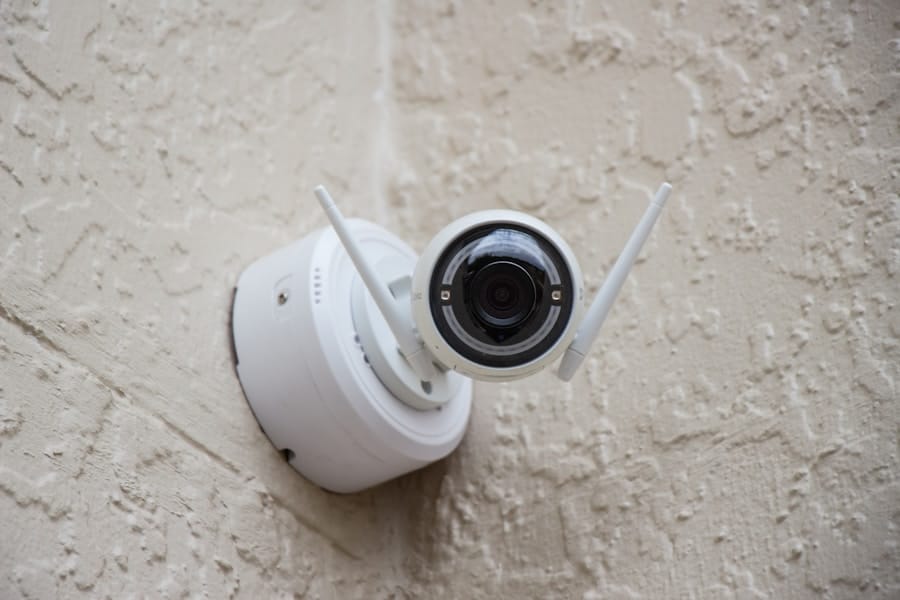
Once you’ve selected the right home security devices for your needs, the next step is programming them for optimal performance. You may find that many modern security systems come with user-friendly interfaces that make programming straightforward. Typically, this involves connecting your devices to a central hub or app on your smartphone, allowing you to customize settings according to your preferences.
For instance, you can set specific times for your lights to turn on or off, or program your cameras to send alerts when motion is detected. Moreover, programming your home security devices can enhance their functionality significantly. You might want to create specific routines that align with your daily life.
For example, if you leave for work every morning at 8 AM, you can program your system to lock all doors and activate the alarm automatically at that time. This not only streamlines your routine but also ensures that your home is secure even when you’re preoccupied with other tasks. Additionally, many systems allow for remote access, enabling you to make adjustments on the fly if plans change unexpectedly.
Emergency Scenarios and Actions
Despite your best efforts to secure your home, emergencies can still occur. It’s essential to be prepared for various scenarios that may arise, such as break-ins, fires, or medical emergencies. In the event of a break-in, having a well-programmed security system can make all the difference.
You may want to ensure that your alarm system is set to trigger immediately upon unauthorized entry, alerting both you and local authorities. Additionally, some systems allow for silent alarms that notify law enforcement without alerting the intruder. Fires and carbon monoxide leaks are other critical emergencies that require immediate action.
You should consider integrating smoke detectors and carbon monoxide detectors into your home security system. These devices can be programmed to send alerts directly to your phone or trigger alarms throughout your home when danger is detected. In such situations, having a clear plan in place is vital; knowing how to respond quickly can save lives and minimize damage.
Examples of Programmed Actions
The beauty of modern home security devices lies in their ability to be programmed for specific actions tailored to your lifestyle. For instance, you might program your smart lights to simulate occupancy when you’re away on vacation. By setting them to turn on and off at random intervals in the evening, you create the illusion that someone is home, which can deter potential burglars from targeting your property.
Another example could involve integrating your security cameras with motion sensors. When motion is detected outside your home during certain hours—say between 10 PM and 6 AM—you could program the system to send an immediate alert to your phone while simultaneously turning on outdoor lights. This not only helps you stay informed but also serves as a deterrent by illuminating any potential intruders’ path.
The possibilities are vast; by thinking creatively about how you use these devices, you can enhance both security and convenience.
Benefits of Programming Home Security Devices
Programming your home security devices offers numerous benefits that extend beyond mere convenience. One significant advantage is increased peace of mind; knowing that your system is tailored to respond effectively in various situations allows you to focus on other aspects of life without constant worry about security threats. This sense of safety can be particularly comforting for families with children or elderly members who may be more vulnerable.
Additionally, programmed actions can lead to improved energy efficiency in your home. For example, by scheduling lights to turn off automatically when not needed or adjusting thermostats based on occupancy patterns, you can reduce energy consumption and lower utility bills. Furthermore, many modern systems provide insights into usage patterns and potential vulnerabilities, allowing you to make informed decisions about enhancing your home’s security further.
Limitations and Considerations
While programming home security devices offers numerous advantages, it’s essential to recognize their limitations as well. One primary concern is reliance on technology; if a power outage occurs or if your internet connection fails, some devices may become inoperable. Therefore, it’s wise to have backup systems in place—such as battery-operated alarms or traditional locks—to ensure continued protection during emergencies.
Another consideration is the potential for false alarms. If not programmed correctly or if sensors are overly sensitive, you may find yourself dealing with frequent alerts that can lead to alarm fatigue. This could result in ignoring legitimate alerts when they occur.
To mitigate this risk, take the time to fine-tune settings based on your environment and lifestyle; regular maintenance checks can also help ensure that all devices function optimally.
Conclusion and Recommendations
In conclusion, investing in home security devices is a proactive step toward safeguarding your property and loved ones. By understanding the various types available and how to program them effectively, you can create a comprehensive security system tailored to your unique needs. The benefits of programming these devices extend beyond mere protection; they enhance convenience and energy efficiency while providing peace of mind.
As you embark on this journey toward improved home security, consider starting with a few essential devices that align with your lifestyle. Gradually expand your system as needed, ensuring that each component works harmoniously together. Remember to regularly review and update your programming settings based on changes in your routine or environment.
By taking these steps, you’ll not only enhance the safety of your home but also enjoy the many conveniences that modern technology has to offer.
There is an interesting article on investing in home protection that discusses the importance of taking worthwhile measures to ensure the safety of your home. This article delves into the various options available for enhancing home security, including the use of advanced home security devices that can be programmed to perform certain actions during emergencies. It provides valuable insights on how investing in a reliable home security system can offer peace of mind and protection for you and your loved ones.
FAQs
What are home security devices?
Home security devices are electronic systems designed to protect homes from intruders, monitor for fire and smoke, and provide emergency assistance.
Can home security devices be programmed to perform certain actions during emergencies?
Yes, many home security devices can be programmed to perform certain actions during emergencies, such as contacting emergency services, sounding alarms, and sending alerts to homeowners.
What types of emergencies can home security devices respond to?
Home security devices can respond to a variety of emergencies, including break-ins, fires, carbon monoxide leaks, and medical emergencies.
How are home security devices programmed to respond to emergencies?
Home security devices are typically programmed using a control panel or a mobile app, where users can set up specific actions to be taken in the event of an emergency.
What are some examples of actions that home security devices can perform during emergencies?
Examples of actions that home security devices can perform during emergencies include contacting emergency services, activating sirens and alarms, sending alerts to homeowners’ smartphones, and triggering automated lighting and door locks.


