


When it comes to safeguarding your home, understanding your security system is paramount. You may have invested in various components, such as alarms, motion detectors, and cameras, but knowing how they work together is essential for maximizing their effectiveness. A security system is not just a collection of devices; it’s a cohesive unit designed to protect your property and loved ones.
Familiarizing yourself with the functionalities of each component will empower you to make informed decisions about upgrades or changes. Moreover, understanding your security system involves recognizing its limitations and strengths. For instance, you might have a state-of-the-art camera that offers high-definition video but lacks night vision capabilities.
By identifying these gaps, you can take proactive steps to enhance your system. This knowledge will also help you communicate effectively with professionals if you decide to seek assistance or advice. Ultimately, a well-rounded understanding of your security system will enable you to create a safer environment for yourself and your family.
Key Takeaways
- Understanding your security system is crucial for choosing the right home security cameras.
- There are different types of home security cameras to consider, such as wired, wireless, and outdoor cameras.
- Compatibility factors to consider include the type of security system, power source, and connectivity options.
- Checking manufacturer specifications is important to ensure that the security cameras are compatible with your existing system.
- Upgrading your security system for compatibility may be necessary to integrate new cameras effectively.
Types of Home Security Cameras
As you explore the world of home security cameras, you’ll find a variety of options tailored to different needs and preferences. One popular type is the indoor camera, which is designed to monitor the interior of your home. These cameras can help you keep an eye on pets, children, or any suspicious activity when you’re away.
Many indoor cameras come equipped with features like two-way audio and motion detection, allowing you to interact with anyone in the room through your smartphone. On the other hand, outdoor cameras are built to withstand the elements and provide surveillance for the exterior of your property. These cameras often feature weatherproof casings and night vision capabilities, ensuring that they can capture clear footage regardless of the time of day or weather conditions.
Additionally, some outdoor models come with advanced features such as facial recognition and smart alerts, which can notify you of unusual activity in real-time. By understanding the different types of cameras available, you can select the ones that best suit your security needs.
Compatibility Factors to Consider
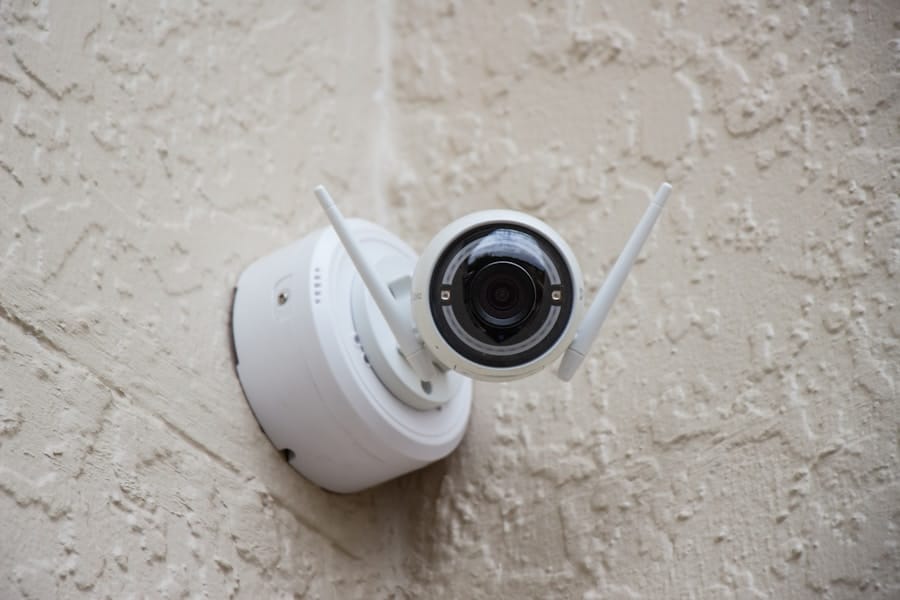
When integrating new components into your existing security system, compatibility is a crucial factor to consider. Not all devices are designed to work seamlessly together, so it’s essential to ensure that any new camera or sensor you purchase can communicate effectively with your current setup. This includes checking whether they operate on the same frequency or protocol, such as Wi-Fi or Z-Wave.
If you’re not careful, you may end up with devices that cannot share information or trigger alerts as intended. Another compatibility factor to keep in mind is the software used by your security system. Many modern security devices rely on mobile apps for monitoring and control.
Therefore, it’s vital to verify that the app associated with your new device is compatible with your existing system’s software. This will not only streamline your user experience but also enhance the overall functionality of your security setup. By taking these compatibility factors into account, you can avoid potential headaches down the line and ensure a more cohesive security solution.
Checking Manufacturer Specifications
Before making any purchases for your security system, it’s wise to check the manufacturer specifications of both your existing devices and any new components you’re considering. These specifications provide valuable insights into how well different devices will work together. For instance, if you’re looking at a new camera, you’ll want to confirm its resolution, field of view, and connectivity options.
This information will help you determine whether it meets your needs and aligns with your current system. Additionally, manufacturer specifications often include details about compatibility with other brands or systems. Some manufacturers design their products to work exclusively within their ecosystem, while others offer more flexibility for integration with third-party devices.
By carefully reviewing these specifications, you can make informed choices that enhance your security system without unnecessary complications. This diligence will ultimately lead to a more effective and reliable home security solution.
Upgrading Your Security System for Compatibility
As technology evolves, so too do the options available for home security systems. If you’ve identified compatibility issues within your current setup, it may be time to consider upgrading certain components. This doesn’t necessarily mean overhauling your entire system; instead, you can selectively replace outdated devices with newer models that offer better integration capabilities.
For example, if your existing cameras lack smart features, upgrading to models that support Wi-Fi connectivity and mobile app control can significantly enhance your system’s functionality. Moreover, upgrading your security system can also improve its overall performance and reliability. Newer devices often come equipped with advanced features such as improved image quality, enhanced motion detection algorithms, and better data encryption for added security.
By investing in compatible upgrades, you not only address existing issues but also future-proof your system against emerging threats and technological advancements. This proactive approach will ensure that your home remains secure for years to come.
Consulting with a Professional
If you’re feeling overwhelmed by the complexities of upgrading or integrating new components into your security system, consulting with a professional can be a wise decision. Security experts possess the knowledge and experience necessary to assess your current setup and recommend suitable upgrades or replacements based on your specific needs. They can also help you navigate compatibility issues that may arise when introducing new devices into your home.
Additionally, professionals can provide valuable insights into the latest trends and technologies in home security. They may suggest innovative solutions that you hadn’t considered or inform you about products that offer better compatibility with your existing system. By seeking expert advice, you can save time and avoid costly mistakes while ensuring that your home security remains robust and effective.
Testing Compatibility
Once you’ve made upgrades or integrated new components into your security system, it’s essential to conduct thorough testing to ensure everything works as intended. Start by checking the connectivity between devices; for instance, verify that your new camera can communicate with your existing alarm system or mobile app without any issues. This step is crucial because even minor compatibility problems can lead to significant gaps in your home security.
In addition to connectivity tests, evaluate the functionality of each device within the context of your overall system. For example, if you’ve added a new motion sensor, check whether it triggers alerts on your smartphone as expected or if it interacts correctly with other components like lights or alarms. By taking the time to test compatibility thoroughly, you can identify any potential issues early on and address them before they compromise your home’s safety.
Ensuring Smooth Integration
Achieving smooth integration of new components into your home security system requires careful planning and execution. Start by creating a comprehensive layout of your existing setup, noting where each device is located and how they interact with one another. This visual representation will help you identify potential areas for improvement and ensure that any new devices are strategically placed for optimal performance.
Furthermore, consider utilizing smart home hubs or platforms that facilitate communication between different devices from various manufacturers. These hubs can serve as a central point for managing all aspects of your security system, allowing for seamless integration and control through a single interface. By prioritizing smooth integration during upgrades or expansions of your security system, you’ll create a more cohesive and effective solution that enhances the safety of your home.
In conclusion, understanding and enhancing your home security system involves several key steps—from grasping how each component functions together to ensuring compatibility when introducing new devices. By taking the time to research different types of cameras, checking manufacturer specifications, consulting professionals when needed, and testing compatibility thoroughly, you can create a robust security solution tailored to meet your unique needs. With careful planning and execution, you’ll be well on your way to achieving a safer living environment for yourself and those you care about most.
If you are wondering if your security system is compatible with your home security cameras, you may also be interested in reading about the benefits of investing in a home security system. Our Secure Home offers valuable insights into why investing in a home security system is worth it, providing peace of mind and protection for your family and property. Check out their article here for more information on the importance of having a reliable security system in place.
FAQs
What is a security system compatibility with home security cameras?
A security system’s compatibility with home security cameras refers to the ability of the security system to integrate and work seamlessly with the home security cameras. This includes the ability to control and monitor the cameras through the security system’s interface.
How can I determine if my security system is compatible with my home security cameras?
To determine compatibility, you should check the specifications and features of both your security system and home security cameras. Look for information on compatibility with third-party devices, protocols such as ONVIF or RTSP, and any specific integration capabilities.
What are some common compatibility issues between security systems and home security cameras?
Common compatibility issues include differences in communication protocols, proprietary technology that limits integration, and limitations in the number or type of cameras that can be connected to the security system.
Can I use a security system and home security cameras from different manufacturers?
Yes, it is possible to use a security system and home security cameras from different manufacturers if they are compatible with each other. However, it is important to ensure that the devices can communicate and work together effectively.
What are some solutions if my security system is not compatible with my home security cameras?
If compatibility issues arise, you can consider using a separate video management system (VMS) to integrate the security system and cameras, or investing in a security system and cameras from the same manufacturer to ensure seamless compatibility.


