


In today’s world, security system technology has become an essential component of home safety. As you navigate through the myriad of options available, you may find yourself overwhelmed by the advancements that have transformed traditional security measures into sophisticated systems. From smart locks to high-definition cameras, these technologies are designed to protect your home and loved ones.
However, as a pet owner, you face unique challenges in ensuring that your furry friends are safe while also maintaining a secure environment. The integration of technology into home security has not only enhanced protection but has also made it more user-friendly. You can now monitor your property remotely, receive real-time alerts, and even control your security features from your smartphone.
This level of convenience allows you to keep an eye on your pets while ensuring that your home remains secure. However, the intersection of pet ownership and security technology presents a complex landscape that requires careful consideration and planning.
Key Takeaways
- Security system technology is constantly evolving to address the challenges of pet-friendly settings.
- Motion sensors play a crucial role in distinguishing between pets and intruders, minimizing false alarms.
- Video surveillance is an important tool for identifying potential threats and monitoring pet activity.
- Advancements in artificial intelligence have enhanced pet recognition, improving the accuracy of security systems.
- Regular maintenance and testing are essential for balancing pet safety and home security in a pet-friendly setting.
The Challenges of Pet-Friendly Security Systems
As a pet owner, you may have experienced the frustration of false alarms triggered by your beloved animals. Traditional security systems often struggle to differentiate between human movement and that of pets, leading to unnecessary alerts and potential panic. This challenge can be particularly daunting for those who have larger breeds or multiple pets, as their movements can easily set off motion detectors.
You might find yourself questioning whether it’s possible to have a robust security system without compromising the comfort and safety of your pets. Moreover, the presence of pets can complicate the installation and functionality of various security devices. For instance, some cameras may not be positioned optimally if they are placed too low to the ground, resulting in blind spots or ineffective monitoring.
Additionally, certain sensors may be overly sensitive, causing them to react to everyday pet activities like jumping or running around. As you consider your options, it’s crucial to seek out solutions that cater specifically to the needs of both your home security and your furry companions.
How Motion Sensors Distinguish Between Pets and Intruders

One of the most significant advancements in pet-friendly security systems is the development of motion sensors that can differentiate between pets and potential intruders. These sensors utilize advanced technology to analyze movement patterns and sizes, allowing them to filter out the harmless antics of your pets while still alerting you to any suspicious activity. This capability not only reduces false alarms but also enhances the overall effectiveness of your security system.
When selecting motion sensors for your home, look for models that incorporate pet immunity features. These sensors are designed with specific thresholds that can ignore movements below a certain height or weight, effectively distinguishing between a small dog or cat and an adult human intruder. By investing in this technology, you can enjoy peace of mind knowing that your pets can roam freely without triggering unnecessary alerts while still maintaining a vigilant watch over your property.
The Role of Video Surveillance in Identifying Potential Threats
Video surveillance plays a crucial role in modern security systems, providing you with visual evidence that can help identify potential threats. With high-definition cameras strategically placed around your home, you can monitor both the interior and exterior of your property in real-time. This capability is particularly beneficial for pet owners, as it allows you to keep an eye on your pets while also ensuring that no unauthorized individuals are lurking nearby.
Many contemporary video surveillance systems come equipped with features such as motion detection alerts and two-way audio communication. This means that if a camera detects movement, you will receive an instant notification on your smartphone, allowing you to check the live feed immediately. If you notice an intruder or suspicious activity, you can take appropriate action quickly.
Additionally, some systems allow you to interact with your pets through the camera, providing reassurance and comfort when you’re away from home.
Advancements in Artificial Intelligence for Enhanced Pet Recognition
Artificial intelligence (AI) has revolutionized various industries, and home security is no exception. The integration of AI into security systems has led to significant advancements in pet recognition technology. With machine learning algorithms, these systems can analyze video footage and accurately identify whether the movement is caused by a pet or a person.
This capability not only minimizes false alarms but also enhances the overall efficiency of your security measures. As AI continues to evolve, you may find that some systems offer customizable settings that allow you to adjust sensitivity levels based on your specific needs. For instance, if you have multiple pets or larger animals, you can fine-tune the system to ensure it recognizes their movements without compromising security.
This level of personalization empowers you to create a safe environment for your pets while maintaining robust protection against potential threats.
Tips for Optimizing Your Security System for Pet-Friendly Settings
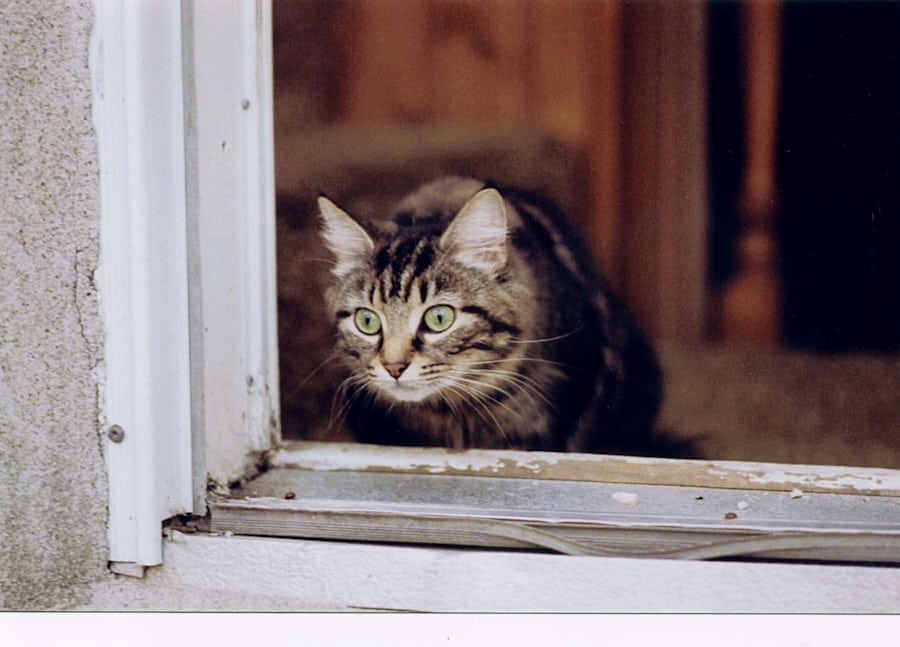
To ensure that your security system works harmoniously with your pets, consider implementing several optimization strategies. First and foremost, invest in pet-friendly motion sensors that are designed to ignore smaller animals while still detecting human movement effectively. This will significantly reduce false alarms and provide peace of mind as your pets move about freely.
Additionally, strategically position cameras and sensors throughout your home to cover all entry points without obstructing your pets’ natural movements. Placing cameras at higher elevations can help capture a broader view while minimizing the chances of being triggered by pet activity. Furthermore, consider using wireless systems that allow for flexible placement without the hassle of extensive wiring.
Another tip is to regularly update your system’s software and firmware. Many manufacturers release updates that enhance functionality and improve performance over time. By keeping your system up-to-date, you ensure that it operates at its best while adapting to any new advancements in technology.
The Importance of Regular Maintenance and Testing
Regular maintenance and testing of your security system are vital components in ensuring its effectiveness over time. As a pet owner, it’s essential to establish a routine for checking all components of your system, including cameras, sensors, and alarms. This practice not only helps identify any potential issues but also ensures that everything is functioning correctly when you need it most.
Testing motion sensors periodically can help you determine if they are accurately distinguishing between pets and intruders. You might want to simulate various scenarios by walking through the detection zones with and without your pets present. This will give you valuable insights into how well the system performs in real-life situations and allow you to make any necessary adjustments.
Additionally, consider scheduling professional inspections at least once a year. A trained technician can assess the overall health of your system and provide recommendations for upgrades or improvements based on the latest technology available.
Balancing Pet Safety and Home Security
In conclusion, finding the right balance between pet safety and home security is an ongoing journey for every pet owner. As technology continues to advance, there are increasingly effective solutions available that cater specifically to the needs of both humans and their furry companions. By investing in pet-friendly security systems equipped with motion sensors, video surveillance, and AI capabilities, you can create a safe environment for your pets while ensuring robust protection against potential threats.
As you navigate this landscape, remember that regular maintenance and testing are crucial in keeping your security system functioning optimally. By taking proactive steps to optimize your setup and staying informed about new advancements in technology, you can enjoy peace of mind knowing that both your home and pets are secure. Ultimately, achieving this balance allows you to live harmoniously with your beloved animals while safeguarding what matters most—your family and home.
If you are considering investing in a home security system but are unsure of which one is right for you, check out this article on choosing the right home security system for your needs. It provides valuable information on the different types of systems available and how to determine which one will best suit your specific requirements. This article will help you make an informed decision to ensure your home is properly protected.
FAQs
What is a security system?
A security system is a network of devices designed to detect and prevent unauthorized entry into a building or area. It typically includes sensors, cameras, and an alarm system.
Can a security system differentiate between a cat and a burglar?
Some advanced security systems are equipped with pet-friendly motion sensors that can differentiate between the movement patterns of a pet and a potential intruder. These sensors are designed to ignore the movement of small animals while still detecting human-sized intruders.
How do pet-friendly motion sensors work?
Pet-friendly motion sensors use a combination of infrared technology and advanced algorithms to analyze the size, shape, and movement patterns of objects within their detection range. This allows them to distinguish between the movement of a pet and that of a human.
What are the limitations of pet-friendly motion sensors?
While pet-friendly motion sensors are effective at reducing false alarms caused by pets, they may still be triggered by larger animals or unusual pet behavior. It’s important to carefully position and calibrate these sensors to minimize the risk of false alarms.


