


In an age where safety and security are paramount, home security devices have become essential for protecting your property and loved ones. These devices range from simple locks and alarms to sophisticated surveillance systems that can be monitored remotely. As a homeowner, you may find yourself overwhelmed by the myriad of options available, each promising to enhance your security.
Understanding the various types of home security devices and their functionalities is crucial in making an informed decision that best suits your needs. Home security devices serve as the first line of defense against potential threats, whether they come in the form of burglaries, vandalism, or even natural disasters. With advancements in technology, these devices have evolved significantly, incorporating features such as motion detection, night vision, and smartphone connectivity.
As you explore the world of home security, it’s important to consider not only the effectiveness of these devices but also their power sources, as this can greatly impact their reliability and performance.
Key Takeaways
- Home security devices are essential for protecting your home and loved ones from potential threats.
- Batteries play a crucial role in powering home security devices, and it’s important to choose the right type and maintain them properly.
- Alternative power sources such as solar power can provide a sustainable and reliable energy solution for home security devices.
- Solar-powered home security devices offer the advantage of being environmentally friendly and cost-effective in the long run.
- Hardwired home security devices provide a reliable power source and are not dependent on batteries, but installation can be more complex.
Importance of Batteries in Home Security Devices
Understanding the Importance of Battery Type
Understanding the importance of batteries in these devices is vital for a secure environment. Moreover, the type of battery used can affect the longevity and reliability of your home security devices. Some devices may rely on standard alkaline batteries, while others may use rechargeable lithium-ion batteries.
The Impact of Battery Choice on Maintenance
The choice of battery can influence how often you need to replace or recharge them, which directly impacts the overall maintenance of your security system. As you consider your options, it’s essential to evaluate how battery life aligns with your lifestyle and security needs.
Making an Informed Decision
Alternative Power Sources for Home Security Devices

While batteries are a common power source for home security devices, there are alternative options that can enhance their reliability and reduce maintenance efforts. One such alternative is the use of hardwired systems, which connect directly to your home’s electrical supply. This eliminates the need for battery replacements and ensures that your devices remain powered continuously.
However, hardwired systems may require professional installation and can be more expensive upfront. Another alternative power source gaining popularity is solar energy. Solar-powered home security devices harness sunlight to generate electricity, making them an eco-friendly option that can operate independently of your home’s electrical grid.
This not only reduces your carbon footprint but also provides a reliable power source in areas prone to power outages. As you explore these alternatives, consider how they align with your values and the specific requirements of your home security setup.
Solar-Powered Home Security Devices
Solar-powered home security devices are revolutionizing the way homeowners approach security. These devices utilize solar panels to capture sunlight and convert it into energy, allowing them to function without relying on traditional power sources. This innovation is particularly beneficial for outdoor security cameras and motion sensors that may be installed in remote areas where access to electricity is limited.
One of the significant advantages of solar-powered devices is their low maintenance requirements. Once installed, they can operate autonomously as long as they receive adequate sunlight. This means you won’t have to worry about changing batteries or dealing with power outages affecting their performance.
Additionally, many solar-powered security devices come equipped with built-in batteries that store excess energy for use during cloudy days or nighttime, ensuring continuous operation.
Hardwired Home Security Devices
Hardwired home security devices offer a robust solution for those seeking a reliable and consistent power source. These systems are connected directly to your home’s electrical wiring, providing a steady flow of electricity that eliminates concerns about battery life or replacements. This reliability makes hardwired systems particularly appealing for critical components like alarms and surveillance cameras.
However, while hardwired systems boast numerous advantages, they also come with certain drawbacks. Installation can be more complex and may require professional assistance, which can increase costs significantly. Additionally, if there is a power outage in your area, hardwired systems may become inoperable unless they are equipped with backup batteries.
As you weigh the pros and cons of hardwired devices, consider your specific needs and whether the benefits outweigh the potential challenges.
Advantages and Disadvantages of Battery-Free Home Security Devices
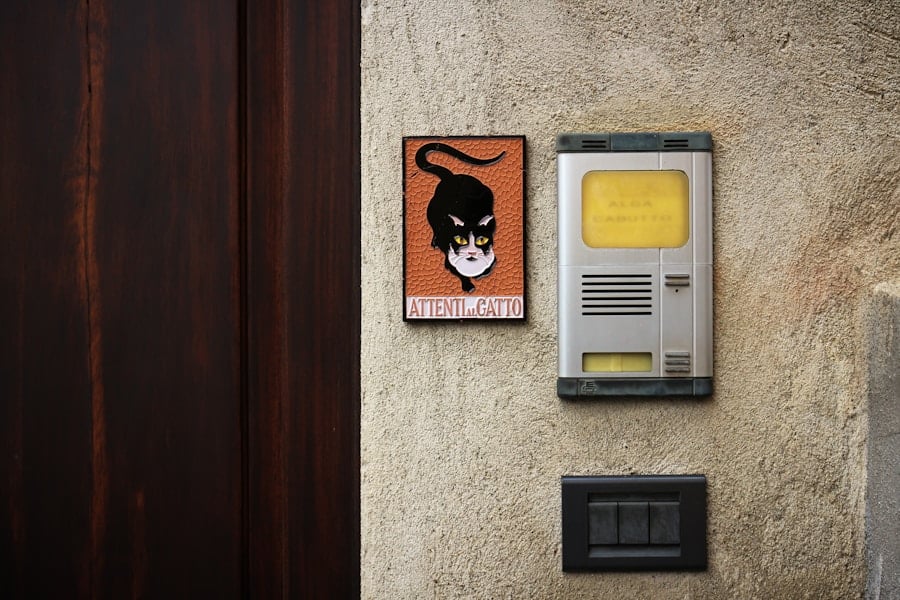
Battery-free home security devices present a unique set of advantages and disadvantages that you should consider when selecting a system for your home. One of the most significant benefits is the elimination of battery-related maintenance tasks. You won’t have to worry about regularly checking battery levels or replacing dead batteries, which can be particularly advantageous for busy homeowners or those who travel frequently.
On the flip side, battery-free systems often rely on a constant power supply, which can be a disadvantage during power outages or electrical failures. If your home experiences a blackout, these devices may cease to function unless they have backup power options in place. Additionally, hardwired systems can be more expensive upfront due to installation costs and the need for professional assistance.
As you evaluate battery-free options, it’s essential to consider how these factors align with your lifestyle and security priorities.
Tips for Maintaining Battery-Free Home Security Devices
To ensure that your battery-free home security devices remain functional and effective, regular maintenance is key. Start by conducting routine inspections of all components to check for any signs of wear or damage. This includes examining wiring connections, ensuring that cameras are clean and unobstructed, and testing alarm systems to confirm they are operational.
Another important aspect of maintenance is keeping software up to date. Many modern security devices come equipped with smart technology that requires periodic updates to enhance functionality and address potential vulnerabilities. By staying proactive with software updates, you can ensure that your system remains secure against emerging threats.
Additionally, consider creating a maintenance schedule that outlines when to perform these checks to help you stay organized and ensure nothing falls through the cracks.
Choosing the Right Home Security Device for Your Needs
In conclusion, selecting the right home security device involves careful consideration of various factors, including power sources, installation requirements, and maintenance needs. Whether you opt for battery-powered devices, solar-powered solutions, or hardwired systems, understanding the advantages and disadvantages of each option will empower you to make an informed decision. Ultimately, your choice should align with your lifestyle, budget, and specific security needs.
Take the time to assess your property and identify potential vulnerabilities before investing in a system. By doing so, you can create a comprehensive home security plan that not only protects your property but also provides peace of mind for you and your loved ones. Remember that the best home security device is one that fits seamlessly into your life while offering reliable protection against potential threats.
If you are interested in exploring different home security systems that do not rely on batteries, you may want to check out the article


