


In an age where technology seamlessly integrates into our daily lives, home security systems have evolved beyond mere surveillance. One of the most innovative features that you can leverage is temperature monitoring. This capability not only enhances your home’s security but also plays a crucial role in maintaining a comfortable and safe living environment.
Imagine being able to monitor the temperature of your home remotely, ensuring that your heating or cooling systems are functioning optimally, and preventing potential damage from extreme temperatures. Temperature monitoring through your security system can provide peace of mind, especially if you live in areas prone to extreme weather conditions. Whether it’s the sweltering heat of summer or the biting cold of winter, having the ability to keep an eye on your home’s temperature can help you take proactive measures.
This article will delve into the technology behind temperature monitoring, its benefits, setup procedures, and how to integrate it with other home automation features, ensuring you make the most of this valuable addition to your security system.
Key Takeaways
- Home security system temperature monitoring is a valuable feature that helps protect your home from potential damage caused by extreme temperatures.
- Understanding the technology behind temperature monitoring involves sensors that detect temperature changes and communicate with your security system to alert you of any potential issues.
- Using your security system for temperature monitoring provides benefits such as early detection of HVAC malfunctions, frozen pipes, and fire prevention.
- Setting up temperature monitoring with your security system involves placing sensors in key areas of your home and programming alerts for specific temperature thresholds.
- Integrating temperature monitoring with other home automation features allows for a comprehensive and convenient way to manage and monitor your home’s temperature.
Understanding the Technology Behind Temperature Monitoring
At the heart of temperature monitoring in home security systems lies a network of sensors designed to detect and report temperature changes in real-time. These sensors can be strategically placed throughout your home, allowing for comprehensive coverage. When the temperature deviates from a preset range, the system triggers alerts, which can be sent directly to your smartphone or other connected devices.
This technology ensures that you are always informed about the conditions within your home, even when you are miles away. The sensors used in these systems often employ advanced technology such as thermistors or infrared sensors. Thermistors are highly sensitive and can provide accurate readings over a wide range of temperatures, making them ideal for residential use.
On the other hand, infrared sensors can detect temperature changes without direct contact, which can be particularly useful in monitoring areas that are difficult to access. Understanding how these technologies work will empower you to make informed decisions about where to place your sensors for maximum effectiveness.
Benefits of Using Your Security System for Temperature Monitoring
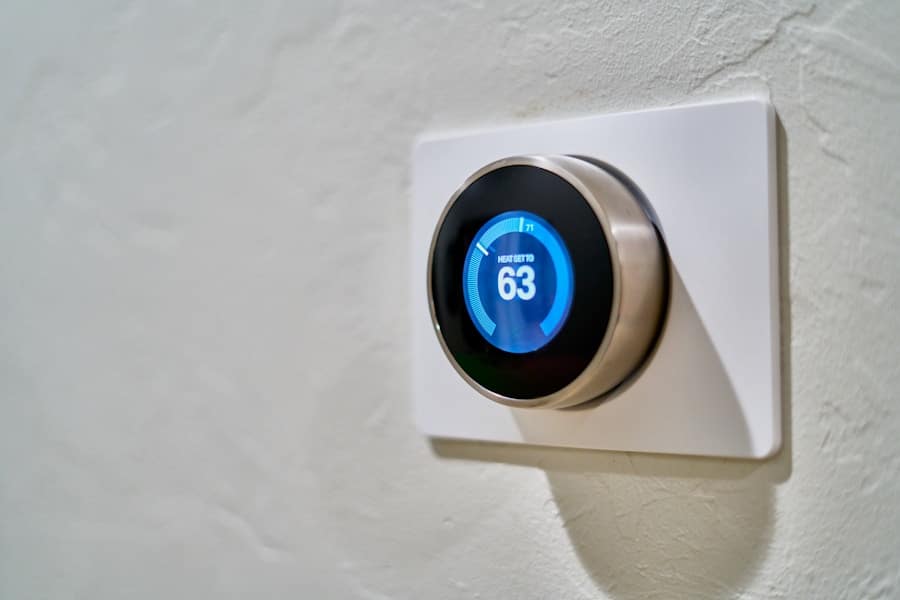
Integrating temperature monitoring into your home security system offers numerous advantages that extend beyond mere convenience. One of the primary benefits is the ability to prevent damage caused by extreme temperatures. For instance, if you live in a region where winter temperatures can plummet, a sudden drop in indoor temperature could lead to frozen pipes and significant water damage.
With temperature monitoring, you can receive alerts when temperatures fall below a certain threshold, allowing you to take action before disaster strikes. Additionally, using your security system for temperature monitoring can lead to energy savings. By keeping track of your home’s heating and cooling needs, you can adjust your thermostat accordingly, ensuring that energy is not wasted on heating or cooling an empty house.
Many modern systems even allow for remote adjustments, meaning you can change the temperature settings from anywhere using your smartphone. This not only contributes to a more comfortable living environment but also helps reduce your energy bills over time.
How to Set Up Temperature Monitoring with Your Security System
Setting up temperature monitoring with your security system is typically a straightforward process that can be completed in just a few steps. First, you’ll need to ensure that your security system is compatible with temperature sensors. Most modern systems come equipped with this feature or allow for easy integration with third-party sensors.
Once you’ve confirmed compatibility, you can begin by purchasing the necessary sensors and installing them in key areas of your home. After installation, you’ll need to configure the sensors through your security system’s app or control panel. This usually involves setting desired temperature thresholds and alert preferences.
For example, you might want to receive notifications if the temperature rises above 80°F or drops below 32°F. Once configured, test the system to ensure that alerts are functioning correctly and that you receive notifications as expected. This initial setup will lay the groundwork for effective temperature monitoring in your home.
Integrating Temperature Monitoring with Other Home Automation Features
One of the most exciting aspects of modern home security systems is their ability to integrate with other home automation features. By linking temperature monitoring with devices such as smart thermostats, smart blinds, and HVAC systems, you can create a cohesive environment that responds intelligently to changing conditions. For instance, if your temperature sensor detects that the house is getting too warm during the day, it can automatically adjust your smart thermostat to cool down the space without any manual intervention.
Moreover, integrating temperature monitoring with other smart devices allows for enhanced energy efficiency and comfort. You could set up routines where your blinds close during peak sunlight hours to reduce heat gain while simultaneously adjusting the thermostat to maintain a comfortable indoor climate. This level of automation not only simplifies your daily life but also contributes to significant energy savings over time.
Tips for Maximizing the Effectiveness of Temperature Monitoring
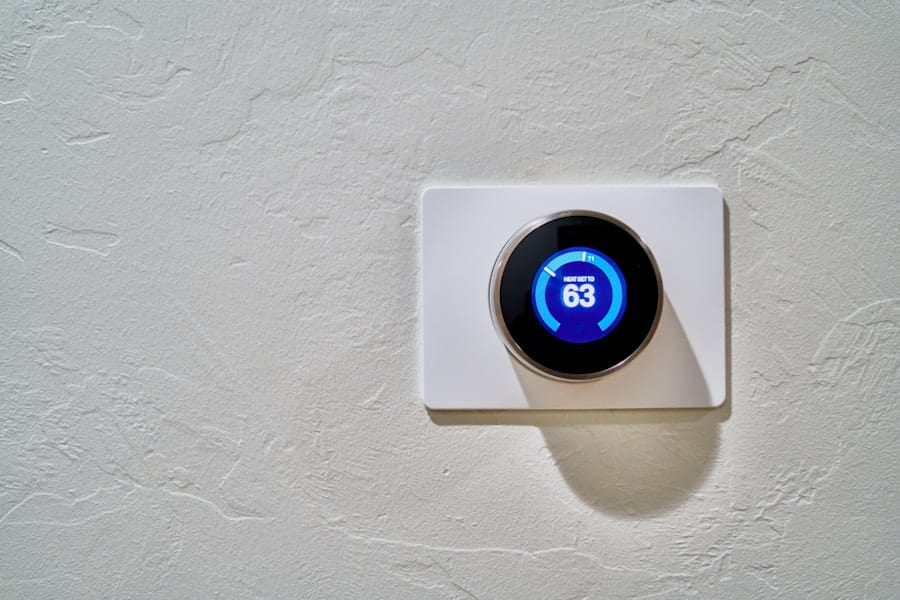
To truly maximize the effectiveness of temperature monitoring within your security system, consider a few key strategies. First, ensure that you place sensors in strategic locations throughout your home. Areas such as basements, attics, and near windows or doors are particularly important as they are often more susceptible to temperature fluctuations.
By covering these critical areas, you can gain a more accurate picture of your home’s overall climate. Additionally, regularly check and maintain your sensors to ensure they are functioning correctly. Dust and debris can accumulate on sensors over time, potentially affecting their accuracy.
Periodically cleaning them and checking their battery levels will help maintain optimal performance. Furthermore, consider setting up multiple alerts for different scenarios—such as high temperatures during summer months or low temperatures during winter—to ensure you are prepared for any situation.
Potential Drawbacks and Limitations of Using Your Security System for Temperature Monitoring
While there are many benefits to using your security system for temperature monitoring, it’s essential to be aware of potential drawbacks and limitations as well. One significant concern is reliance on technology; if there is a power outage or internet disruption, your monitoring capabilities may be compromised. It’s crucial to have backup systems in place or alternative methods for checking on your home during such events.
Another limitation is that not all security systems offer advanced features or compatibility with various sensors. If you have an older system or one that lacks integration capabilities, you may find it challenging to implement effective temperature monitoring without investing in upgrades or new equipment. Therefore, it’s wise to research and choose a security system that meets both your current needs and future aspirations regarding home automation.
Making the Most of Your Security System for Home Temperature Monitoring
In conclusion, incorporating temperature monitoring into your home security system is a smart move that enhances both safety and comfort in your living space. By understanding the technology behind it and leveraging its benefits, you can protect your home from potential damage while also enjoying energy savings and increased convenience. Setting up this feature is relatively simple and can be integrated with other smart home devices for an even more streamlined experience.
As you embark on this journey toward smarter home management, remember to stay proactive about maintenance and regularly assess how well your system meets your needs. With careful planning and implementation, you can create a secure and comfortable environment that adapts intelligently to changing conditions—ultimately making your home a safer place for you and your loved ones.
If you are interested in safeguarding your home while traveling, you may want to check out this article on safeguarding your home while traveling. It provides valuable tips and insights on how to ensure your home is secure even when you are away. Additionally, if you are looking for home security system services in Salt Lake City, Utah or Chattanooga, Tennessee, you can find more information in these articles: home security system service in Salt Lake City, Utah and home security system service in Chattanooga, Tennessee. These articles offer details on the services available in these areas to help you choose the best option for your home security needs.
FAQs
Can I use my security system to monitor my home’s temperature?
Yes, many modern security systems come with temperature monitoring capabilities.
How does temperature monitoring work with a security system?
Temperature monitoring with a security system typically involves the use of sensors that can detect and report the temperature in different areas of the home.
What are the benefits of using a security system for temperature monitoring?
Using a security system for temperature monitoring can help you detect and address issues such as freezing pipes, overheating appliances, or extreme temperature changes that could indicate a fire.
Can I receive alerts for temperature changes with my security system?
Yes, many security systems allow you to set up alerts for temperature changes, so you can be notified if the temperature in your home goes above or below a certain threshold.
Can I control the temperature in my home using my security system?
Some security systems offer the ability to integrate with smart thermostats, allowing you to control the temperature in your home remotely through the security system’s app or control panel.


