


In today’s digital age, home security has taken on a whole new meaning with the rise of Internet of Things (IoT) devices. These interconnected devices, such as smart locks, security cameras, and motion sensors, provide convenience and peace of mind. However, they also present new risks and challenges when it comes to protecting your home and personal data. In this article, we will explore the potential vulnerabilities of IoT devices and provide practical tips on how to navigate these risks effectively. So, whether you’re a tech-savvy homeowner or just starting to dip your toes into the world of smart home devices, read on to ensure your home security remains robust in the digital era.
The Importance of Home Security in the Digital Age
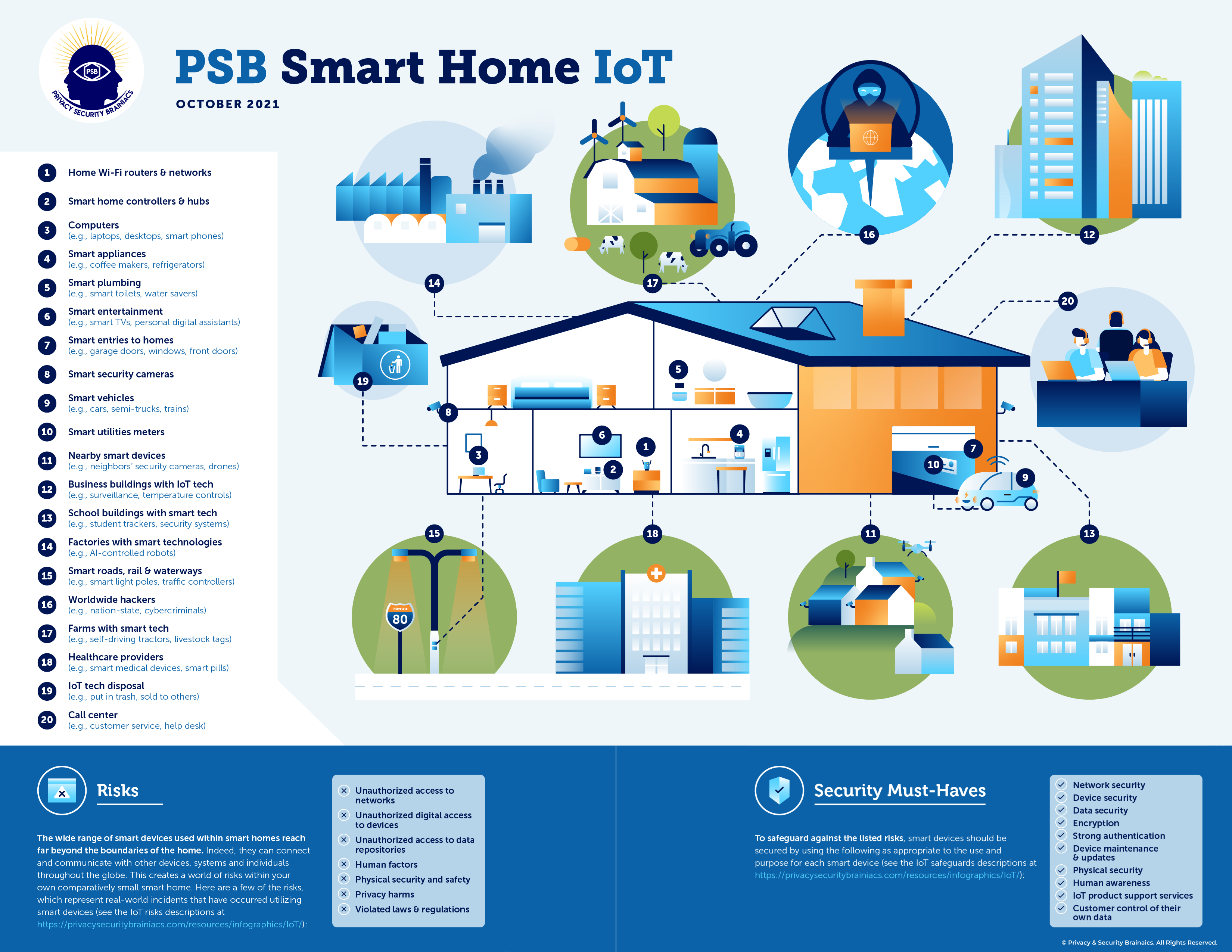
In today’s digital age, ensuring the security of your home has become more critical than ever before. With the increasing prevalence of Internet of Things (IoT) devices, our homes have become interconnected and vulnerable to various threats. It is essential to understand the evolving risks associated with IoT devices, the role they play in home security, and the proactive measures that can be taken to protect ourselves and our homes.
Understanding the Evolving Threats
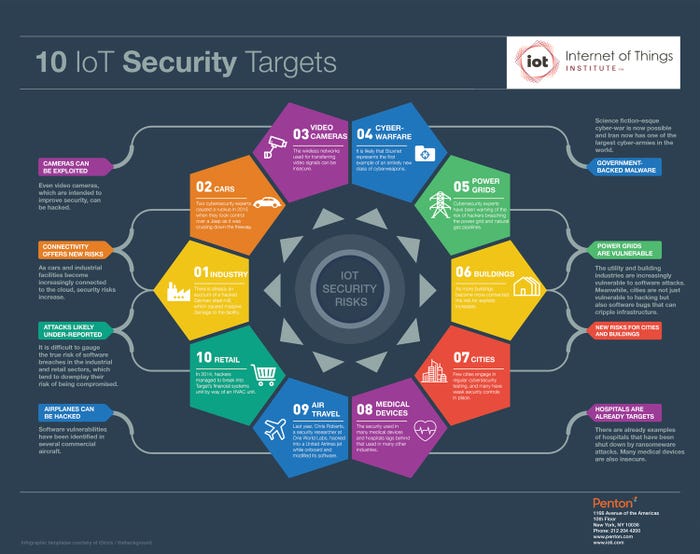
As technology advances, so do the threats we face in the digital realm. Hackers and cybercriminals are constantly finding new ways to exploit vulnerabilities in IoT devices. These interconnected devices, such as smart thermostats, security cameras, and voice assistants, can be accessed remotely, making them potential targets for unauthorized access and malicious activities.

The Role of IoT Devices in Home Security
While IoT devices offer convenience and automation in our daily lives, they also play a vital role in home security. From smart locks to surveillance cameras, these devices allow us to monitor and control our homes remotely. However, their connectivity also introduces vulnerabilities and potential entry points for hackers. It is crucial to understand and mitigate these risks adequately.
The Need for Proactive Measures
Relying solely on manufacturers to provide secure devices is not enough. As homeowners, we must take proactive measures to protect our homes and the IoT devices connected to them. By implementing the right security practices and making informed choices, we can minimize the risks associated with these devices and ensure our peace of mind.

Risks Associated with IoT Devices
IoT devices have inherent risks that need to be addressed to maintain proper home security. By understanding these risks, we can take steps to mitigate them effectively.
Vulnerabilities in Device Software and Firmware
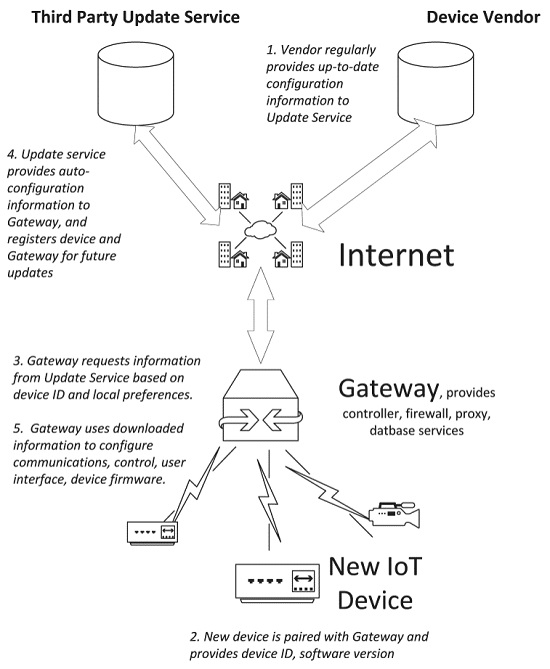
One significant risk associated with IoT devices is vulnerabilities in their software and firmware. Manufacturers often release updates to fix security flaws and improve device performance. It is crucial to keep your devices up to date with the latest software version to ensure you have the latest security patches.
Inadequate Authentication and Authorization Mechanisms
Weak authentication and authorization mechanisms in IoT devices can leave them vulnerable to unauthorized access. It is essential to use strong and unique passwords for each device, as well as enable two-factor authentication when available. These additional security measures can significantly enhance the protection of your devices and minimize the risk of unauthorized access.
Lack of Encryption in Data Transmission
Data transmitted between IoT devices and the control interfaces should be encrypted to protect it from interception or tampering. Ensuring that your devices use secure communication protocols, such as Transport Layer Security (TLS), can help safeguard your data and maintain the privacy of your home.
Weak or default passwords are a common entry point for hackers. It is essential to choose strong passwords that are not easily guessable or commonly used. Utilizing a password manager can also help generate and store complex passwords securely.
Privacy Concerns with Data Collection and Storage
Many IoT devices collect and store personal data to enhance their functionality. However, this data can be valuable to hackers if not adequately protected. It is crucial to review the privacy policies and data-sharing settings of your IoT devices and opt for devices that prioritize privacy and offer adequate data protection measures.
Protecting Your IoT Devices
Taking proactive steps to protect your IoT devices is crucial in maintaining the security of your home. Here are some best practices to consider:
Keeping Your Devices Up to Date
Regularly check for software updates provided by manufacturers and apply them promptly. These updates often include security patches that address known vulnerabilities in the device’s software or firmware.
Using Strong and Unique Passwords
Set strong and unique passwords for each of your IoT devices. Avoid using easily guessable passwords and consider using a password manager to help generate and securely store complex passwords.
Enabling Two-Factor Authentication
Whenever possible, enable two-factor authentication for your IoT devices. This additional layer of security provides an extra barrier for unauthorized access to your devices.
Configuring Network Settings for Enhanced Security
Take advantage of the security settings provided by your wireless router. Configure your network to use encryption such as Wi-Fi Protected Access (WPA2) or WPA3 to secure the communication between your devices and the router.
Regularly Reviewing and Managing Device Permissions
Review and manage the permissions granted to your IoT devices. Some devices might require access to certain features or data, but it is essential to limit access to only what is necessary.
Implementing Secure Communication Protocols
Ensure that your IoT devices use secure communication protocols, such as TLS, for transmitting data. This adds an extra layer of protection to prevent interception or tampering of your sensitive information.
Securing Your Home Network
Securing your home network is a vital step in protecting your IoT devices and maintaining the overall security of your home. Here are some measures to consider:
Using a Strong Network Password
Set a strong and unique password for your home network. Avoid using default or easily guessable passwords, as they can be exploited by hackers.
Enabling Network Encryption
Enable encryption protocols, such as WPA2 or WPA3, to protect the communication between your devices and your wireless router. This helps prevent unauthorized access to your network.
Securing Your Wireless Router
Change the default login credentials of your wireless router to prevent unauthorized access. Also, disable remote management if it is not necessary for your setup.
Setting Up a Separate Guest Network
If your router supports it, set up a separate guest network for visitors. This network should be isolated from your main network to prevent unauthorized access to your IoT devices and sensitive information.
Monitoring Network Activity
Regularly monitor the network activity of your IoT devices to identify any suspicious or unauthorized connections. Many routers provide features to view and manage connected devices, allowing you to detect and mitigate potential security threats.
Choosing Secure IoT Devices
When selecting IoT devices for your home, it is essential to prioritize security features and choose reputable manufacturers. Here are some considerations:
Researching Device Security Features
Before purchasing an IoT device, research its security features. Look for devices that offer robust authentication mechanisms, encrypted communication, and regular software updates.
Examining Manufacturers’ Track Record in Security
Check the manufacturer’s track record in providing secure devices and addressing vulnerabilities. Look for prompt responses to security issues and regular software updates for their devices.
Verifying the Device’s Software Update Process
Ensure the IoT devices you choose have a reliable and secure software update process. Regular software updates are critical in addressing security vulnerabilities and maintaining the overall security of the device.
Checking for Independent Security Certifications
Look for IoT devices that have undergone independent security certifications, such as those provided by trusted organizations like the Underwriters Laboratories (UL). These certifications indicate that the device has passed rigorous security testing and meets industry standards.
Privacy Considerations for IoT Devices
In addition to security, privacy is another critical aspect to consider when using IoT devices. Here are some factors to keep in mind:
Understanding Data Collection Practices
Read and understand the privacy policies of your IoT devices. Be aware of what data is being collected, how it is being used, and whether it is shared with third parties. Choose devices that are transparent about their data collection practices.
Opting for Devices with Privacy-Focused Features
Look for IoT devices that offer privacy-focused features, such as the ability to disable data collection or limit the sharing of data. These features provide you with more control over your personal information.
Reviewing and Managing Data Sharing Settings
Regularly review and manage the data sharing settings of your IoT devices. Disable unnecessary data sharing and limit the access granted to third-party services whenever possible.
Securing Sensitive Information on Devices
If your IoT devices store personal or sensitive information, ensure that this data is adequately protected. Use strong passwords, encryption, or other security measures provided by the device to safeguard your information.
The Role of Home Security Systems
While IoT devices play a significant role in home security, integrating them into a comprehensive security system can provide even greater protection. Here’s why home security systems are crucial:
Integrating IoT Devices into a Comprehensive Security System
Home security systems allow you to integrate all your IoT devices into a centralized system. This provides better control, monitoring, and automation capabilities, enhancing the overall security of your home.
Choosing Reputable Security System Providers
When selecting a home security system, choose a reputable provider with a proven track record in security. Research their offerings, customer reviews, and response times to security incidents.
Utilizing Professional Monitoring Services
Consider subscribing to professional monitoring services offered by home security systems. This ensures that any alarms or suspicious activities detected by your IoT devices are promptly addressed and responded to, even when you are not at home.
Understanding the Limitations of Home Security Systems
While home security systems provide significant benefits, it is essential to understand their limitations. They are not foolproof and should be viewed as complementary to other security measures, such as securing your IoT devices and home network.
Protecting Your Home Network from External Threats
In addition to securing your IoT devices, protecting your home network from external threats is crucial. Here are some steps to consider:
Installing and Updating Firewall Software
Install and regularly update firewall software to monitor and control incoming and outgoing network traffic. This acts as a barrier against unauthorized access and helps prevent malicious activities.
Using a Virtual Private Network (VPN)
Consider using a Virtual Private Network (VPN) when accessing your home network remotely. A VPN encrypts your connection, making it more secure and protecting your privacy.
Implementing Intrusion Detection and Prevention Systems
Intrusion Detection and Prevention Systems (IDPS) help identify and block suspicious network traffic or unauthorized access attempts. Implementing an IDPS adds an extra layer of protection to your home network.
Regularly Scanning for Malware and Viruses
Use antivirus and antimalware software to regularly scan your devices and network for any malicious software or viruses. Keep the software up to date to ensure it can detect and remove the latest threats.
Securing Your Wi-Fi Network
In addition to securing your IoT devices, securing your Wi-Fi network is essential. Change the default administrator login credentials, enable network encryption, and disable features like Wi-Fi Protected Setup (WPS) that can introduce vulnerabilities.
Smart Practices for IoT Device Usage
Adopting smart practices when using IoT devices can further enhance your home security. Consider the following:
Limiting the Number of Connected Devices
While IoT devices offer convenience, having too many interconnected devices increases the potential attack surface. Consider limiting the number of connected devices to those that are essential for your needs.
Regularly Reviewing and Revoking Device Access
Regularly review and revoke access to your IoT devices, especially for devices that are no longer in use or no longer required to be connected. This helps minimize the risk of unauthorized access.
Disabling Unnecessary Features
Disable any unnecessary features or services on your IoT devices. This reduces potential attack vectors and helps protect your privacy.
Avoiding Public Wi-Fi Networks for Device Setup
When setting up your IoT devices, avoid using public Wi-Fi networks. These networks can be insecure, making it easier for hackers to intercept or tamper with the setup process.
Keeping Track of Device Locations
Keep track of the physical locations of your IoT devices. In case of theft or loss, this information can be invaluable for reporting to authorities or taking appropriate action to protect your personal information.
Education and Awareness for Homeowners
Finally, education and awareness are critical for homeowners to navigate the risks associated with IoT devices effectively. Consider the following:
Staying Informed About Emerging Threats
Stay updated with the latest news and developments in IoT device security. This allows you to stay ahead of emerging threats and implement appropriate security measures.
Educating Family Members About Device Security
Educate your family members about the importance of device security, such as using strong passwords, updating software, and being cautious with sharing personal information. This collective awareness helps create a safer environment for everyone.
Understanding Common Social Engineering Tactics
Be familiar with common social engineering tactics used by hackers to deceive and gain unauthorized access to your IoT devices. By recognizing these tactics, you can avoid falling victim to them.
Promoting Responsible Usage of IoT Devices
Promote responsible usage of IoT devices within your household. Encourage family members to follow security best practices, use devices responsibly, and be mindful of their potential privacy implications.
In conclusion, home security in the digital age requires proactive measures and a holistic approach. By understanding the evolving threats associated with IoT devices, securing your devices and home network, making informed choices, and promoting responsible usage, you can navigate the risks and enjoy the benefits of a secure and connected home. Prioritize your home security in the digital age and ensure the protection of your loved ones and belongings.


