


When you think about home security, your mind might immediately jump to cameras, alarms, and motion detectors. However, one often-overlooked factor that can significantly influence the effectiveness of these systems is humidity. Humidity refers to the amount of moisture present in the air, and it can fluctuate based on various environmental conditions.
Understanding how humidity impacts your home security systems is crucial for ensuring their optimal performance. High humidity levels can lead to a range of issues, from equipment malfunction to the growth of mold and mildew, which can compromise the integrity of your home. As a homeowner, you may not realize that humidity can affect not only the physical components of your security devices but also their overall reliability.
For instance, excessive moisture can cause electronic components to corrode or short-circuit, leading to system failures at critical moments. Additionally, high humidity can create an environment conducive to pests, which may damage wiring or other essential parts of your security system. By recognizing the relationship between humidity and your home security devices, you can take proactive steps to mitigate potential risks and ensure that your security measures remain effective.
Key Takeaways
- Humidity can impact home security systems by causing malfunctions and damage to devices.
- High humidity can lead to corrosion and short circuits in security devices, affecting their functionality.
- Security systems can be used to monitor humidity levels in the home, providing an additional layer of protection.
- Integrating humidity monitoring into home security systems can help prevent damage and ensure optimal conditions.
- Monitoring humidity through your security system can help prevent malfunctions and extend the lifespan of your devices.
How Humidity Can Affect the Functionality of Home Security Devices
Humidity can have a profound impact on the functionality of various home security devices. For example, motion sensors and cameras are particularly sensitive to environmental conditions. High humidity can cause condensation to form on camera lenses, resulting in blurred images or even complete failure of the device.
This means that during critical moments—such as a break-in or other emergency—you may not have a clear view of what is happening around your home. Furthermore, motion sensors may become less reliable in humid conditions, leading to false alarms or missed detections. In addition to affecting cameras and motion sensors, humidity can also impact alarm systems and control panels.
Excess moisture can seep into electronic components, causing them to malfunction or become unresponsive. This could lead to a situation where you are unable to arm or disarm your system when needed. Moreover, if your security system relies on wireless communication, high humidity levels can interfere with signal transmission, resulting in delayed alerts or notifications.
Understanding these potential issues is essential for maintaining the integrity of your home security system.
Utilizing Your Security System to Monitor Humidity Levels in Your Home
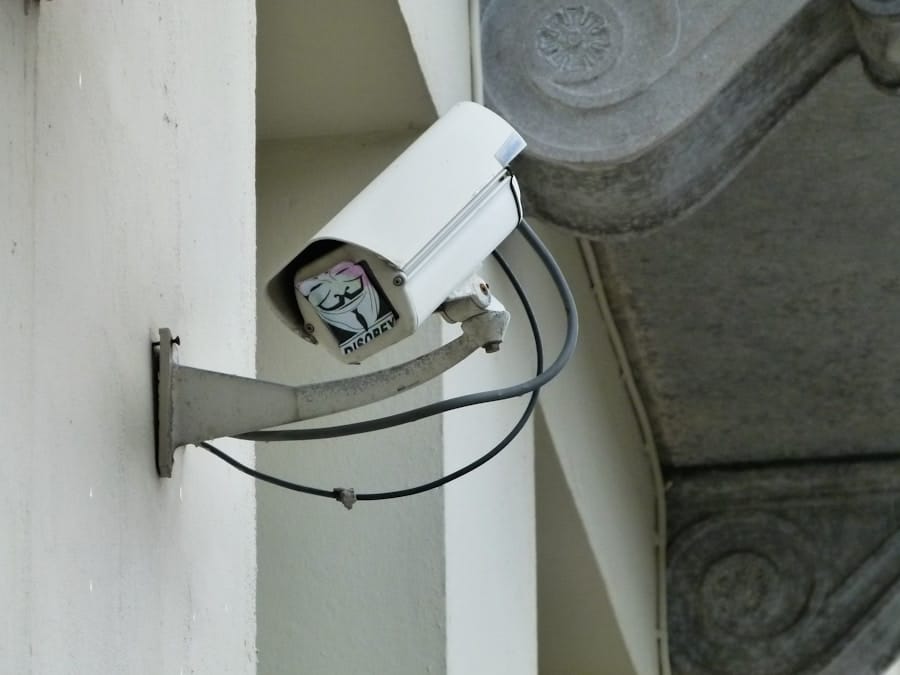
One innovative way to address the challenges posed by humidity is by utilizing your home security system to monitor humidity levels within your living space. Many modern security systems come equipped with environmental sensors that can track not only motion and sound but also temperature and humidity levels. By integrating these sensors into your existing security setup, you can gain valuable insights into the conditions within your home.
Monitoring humidity levels through your security system allows you to receive real-time alerts when humidity exceeds or falls below a certain threshold. This proactive approach enables you to take immediate action—such as using a dehumidifier or adjusting your HVAC system—to maintain optimal humidity levels. By keeping humidity in check, you not only protect your security devices but also create a healthier living environment for you and your family.
Integrating Humidity Monitoring into Your Home Security System
Integrating humidity monitoring into your home security system is a straightforward process that can yield significant benefits. If your current system does not include humidity sensors, consider upgrading to a model that offers this feature. Many smart home security systems allow for easy integration with additional sensors, enabling you to customize your setup according to your specific needs.
Once you have installed humidity sensors, it’s essential to configure them properly for optimal performance. This may involve setting specific thresholds for alerts based on the typical humidity levels in your area or the preferences of your household. Additionally, ensure that your security system is connected to a reliable app or monitoring service that allows you to receive notifications directly on your smartphone or other devices.
This way, you can stay informed about changes in humidity levels even when you are away from home.
The Benefits of Monitoring Humidity Through Your Security System
Monitoring humidity through your home security system offers numerous benefits beyond just protecting your devices. One of the most significant advantages is the prevention of mold and mildew growth, which thrives in humid environments. By keeping humidity levels in check, you can reduce the risk of these harmful substances developing in your home, ultimately safeguarding your family’s health.
Moreover, maintaining optimal humidity levels can enhance the longevity and performance of your home security devices. When electronic components are exposed to excessive moisture over time, they are more likely to fail or require costly repairs. By actively monitoring and managing humidity levels, you can extend the lifespan of your security equipment and ensure that it functions reliably when you need it most.
Additionally, a well-maintained environment contributes to overall comfort and well-being within your home.
Tips for Maintaining Optimal Humidity Levels for Your Home Security System
Invest in a Quality Dehumidifier
If you live in an area prone to high humidity, invest in a quality dehumidifier. This device can help regulate moisture levels effectively, especially in basements or other enclosed spaces where humidity tends to accumulate.
Ensure Proper Ventilation
Another essential tip is to ensure proper ventilation throughout your home. Open windows when weather permits and use exhaust fans in areas like kitchens and bathrooms where moisture is generated during cooking or showering.
Regularly Check for Leaks
Additionally, regularly check for leaks in plumbing or roofing that could contribute to excess moisture buildup. By addressing these issues promptly, you can create a more stable environment for both your family and your home security devices.
Common Issues with Humidity and Home Security Systems
Despite taking precautions, you may still encounter common issues related to humidity and home security systems. One prevalent problem is false alarms triggered by environmental factors such as high humidity or condensation on sensors. These false alarms not only cause unnecessary stress but can also lead to fines from local authorities if they occur frequently.
Another issue is the potential for corrosion on metal components within your security devices due to prolonged exposure to high humidity levels. Corrosion can compromise the functionality of critical parts, leading to malfunctions or complete failures at crucial moments. Regular maintenance checks on your equipment can help identify early signs of corrosion or other damage caused by humidity.
Maximizing Home Security Through Humidity Monitoring
In conclusion, understanding the impact of humidity on home security systems is vital for maximizing their effectiveness and longevity. By recognizing how humidity affects the functionality of various devices, you can take proactive measures to mitigate potential risks. Utilizing your security system to monitor humidity levels not only protects your equipment but also contributes to a healthier living environment.
Integrating humidity monitoring into your home security setup offers numerous benefits, from preventing mold growth to extending the lifespan of your devices. By following practical tips for maintaining optimal humidity levels and being aware of common issues that may arise, you can ensure that your home remains secure and comfortable year-round. Ultimately, by prioritizing humidity management as part of your overall home security strategy, you empower yourself to create a safer and more resilient living space for you and your loved ones.
If you are interested in learning more about how a home security system can help monitor your home’s humidity levels, you may also want to check out this article on home security system services in Pittsburgh, Pennsylvania. This article discusses the various features and benefits of a security system in monitoring not only intruders but also environmental factors like humidity. It provides valuable information on how these systems can help keep your home safe and comfortable.
FAQs
What is the relationship between a security system and monitoring home humidity?
A security system can be used to monitor home humidity by integrating humidity sensors into the system. This allows homeowners to receive alerts and monitor the humidity levels in their homes remotely.
How does monitoring home humidity contribute to home security?
Monitoring home humidity contributes to home security by helping to prevent mold and mildew growth, which can cause damage to the home and affect the health of its occupants. Additionally, excessively high or low humidity levels can indicate potential issues with the home’s HVAC system or other environmental factors.
Can a security system be used to control home humidity levels?
Some advanced security systems may have the capability to control home humidity levels by integrating with smart home devices such as humidifiers and dehumidifiers. This allows homeowners to automate and adjust humidity levels based on their preferences and the needs of their home.
What are the benefits of using a security system to monitor home humidity?
The benefits of using a security system to monitor home humidity include early detection of potential issues such as water leaks, HVAC malfunctions, and excessive moisture levels. This can help homeowners address these issues promptly and prevent damage to their homes.
Are there any limitations to using a security system to monitor home humidity?
One limitation of using a security system to monitor home humidity is that it may require additional sensors and equipment to be installed, which could incur extra costs. Additionally, the accuracy and reliability of the humidity monitoring may depend on the quality of the sensors and the integration with the security system.


