


In an increasingly security-conscious world, the need for effective surveillance and protection systems has never been more critical. One of the most innovative solutions to emerge in this realm is the broken glass detection system. These systems are designed to identify the sound or vibration caused by breaking glass, providing an essential layer of security for homes, businesses, and sensitive areas.
As you navigate through the complexities of modern security solutions, understanding the significance and functionality of broken glass detection systems can empower you to make informed decisions about your safety and that of your property. The importance of these systems cannot be overstated. Glass is a common material in windows and doors, making it a vulnerable point of entry for intruders.
When glass shatters, it can create a significant risk not only for property but also for personal safety. By implementing a broken glass detection system, you can enhance your security measures, ensuring that any attempt to breach your premises is detected promptly. This proactive approach can deter potential intruders and provide peace of mind, knowing that you have taken steps to protect your environment.
Key Takeaways
- Broken glass detection systems are designed to detect and alert when glass breakage occurs, providing security and safety benefits.
- These systems work by using sensors to detect the sound frequency and vibration patterns associated with glass breakage.
- There are two main types of broken glass detection systems: acoustic and shock wave sensors, each with its own advantages and limitations.
- The benefits of broken glass detection systems include enhanced security, safety, and peace of mind for property owners and occupants.
- Limitations of broken glass detection systems include false alarms, limited coverage area, and potential interference from environmental factors.
How Broken Glass Detection Systems Work
At the core of broken glass detection systems is their ability to recognize the unique sound or vibration produced when glass breaks. These systems typically employ specialized sensors that are finely tuned to detect specific frequencies associated with the shattering of glass. When a window or door is compromised, the sensors pick up the sound waves or vibrations and trigger an alarm or alert, notifying you or a monitoring service of the potential breach.
The technology behind these systems can vary, but many utilize advanced algorithms to differentiate between the sound of breaking glass and other noises in the environment. This capability is crucial, as it minimizes false alarms caused by everyday sounds such as thunder, loud music, or even nearby construction work. By focusing on the distinct acoustic signature of breaking glass, these systems can provide reliable alerts, allowing you to respond swiftly to any security threats.
Types of Broken Glass Detection Systems
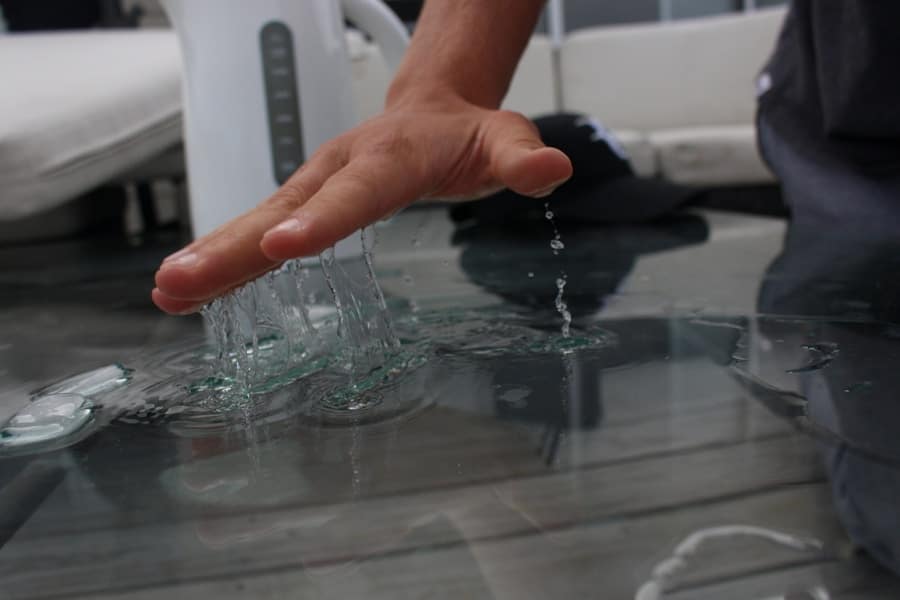
There are several types of broken glass detection systems available on the market, each designed to cater to different needs and environments. One common type is the acoustic glass break detector, which relies on microphones to capture sound waves. These detectors are often installed in areas where glass is present and can cover multiple windows or doors from a single unit.
Their versatility makes them suitable for both residential and commercial applications. Another type is the vibration-based glass break detector, which uses sensors that respond to vibrations caused by glass breaking. These detectors are typically mounted directly on the window frame or wall near the glass surface.
They are particularly effective in environments where sound may be muffled or where multiple layers of glass exist, such as double-glazed windows. By understanding the various types of systems available, you can choose one that best fits your specific security requirements.
Benefits of Broken Glass Detection Systems
The advantages of installing a broken glass detection system are numerous and compelling. First and foremost, these systems provide an immediate alert in the event of a break-in, allowing you to take swift action. Whether it’s contacting law enforcement or activating additional security measures, having real-time notifications can significantly enhance your response time during a potential threat.
Moreover, broken glass detection systems serve as a deterrent to would-be intruders. The knowledge that a property is equipped with such technology can discourage criminal activity, as potential burglars are less likely to target homes or businesses that have visible security measures in place. This psychological barrier can be just as effective as physical barriers like locks and reinforced doors, making it an essential component of a comprehensive security strategy.
Limitations of Broken Glass Detection Systems
While broken glass detection systems offer significant benefits, they are not without their limitations. One primary concern is their susceptibility to false alarms. Although modern systems are designed to minimize these occurrences, factors such as loud noises or vibrations from nearby construction can still trigger alerts.
This can lead to unnecessary panic and may cause users to become desensitized to alarms over time. Additionally, these systems are specifically designed to detect glass breakage and may not provide comprehensive protection against other forms of intrusion. For instance, if an intruder opts for a method that does not involve breaking glass—such as picking locks or using force on doors—these systems will not activate.
Therefore, it’s crucial to view broken glass detection as one component of a broader security strategy rather than a standalone solution.
Factors Affecting the Accuracy of Broken Glass Detection Systems

The effectiveness of broken glass detection systems can be influenced by several factors that you should consider when selecting and installing one for your property. Environmental conditions play a significant role; for example, excessive background noise can interfere with the system’s ability to accurately detect breaking glass sounds. Similarly, if the sensors are not properly calibrated or positioned correctly, their performance may be compromised.
Another critical factor is the type and thickness of the glass being monitored. Different types of glass produce varying sound frequencies when broken; thus, some systems may be more effective with certain types than others. Additionally, if multiple layers of glass are present—such as in double-glazed windows—the sound may be dampened, making it harder for the system to detect a breakage accurately.
Understanding these factors will help you choose a system that aligns with your specific environment and needs.
Considerations for Installing a Broken Glass Detection System
When it comes to installing a broken glass detection system, several considerations should guide your decision-making process. First and foremost, assess the layout of your property and identify all potential entry points where glass is present. This includes windows, sliding doors, and even glass display cases in commercial settings.
A thorough evaluation will help you determine how many sensors you need and where they should be placed for optimal coverage. Additionally, consider whether you want a wired or wireless system. Wired systems may offer more reliability but can be more challenging to install and may require professional assistance.
On the other hand, wireless systems provide flexibility and ease of installation but may be subject to interference from other wireless devices in your home or business. Weighing these options carefully will ensure that you select a system that meets your needs while fitting seamlessly into your existing security infrastructure.
Conclusion and Recommendations for Broken Glass Detection Systems
In conclusion, broken glass detection systems represent a vital component in modern security solutions, offering both immediate alerts and deterrence against potential intruders. While they come with certain limitations and considerations regarding installation and accuracy, their benefits far outweigh these challenges when integrated into a comprehensive security strategy. As you contemplate enhancing your security measures, consider investing in a broken glass detection system tailored to your specific needs and environment.
Take the time to research various options available on the market and consult with security professionals if necessary. By doing so, you will not only bolster your property’s defenses but also gain peace of mind knowing that you have taken proactive steps toward safeguarding what matters most to you.
If you are interested in learning more about home security systems, you may want to check out the article on home security system service in Phoenix, Arizona. This article may provide additional information on the different features and capabilities of modern security systems, including whether they can detect broken glass.
FAQs
What is broken glass detection system?
A broken glass detection system is a security feature that uses sensors to detect the sound or vibration of breaking glass. When the system detects these signals, it triggers an alarm to alert the occupants or the security monitoring service.
How does a broken glass detection system work?
A broken glass detection system typically uses either acoustic sensors or vibration sensors to detect the sound or movement associated with breaking glass. When the sensors pick up these signals, the system activates an alarm to notify of potential intrusion or damage.
Can my system detect broken glass?
Whether your system can detect broken glass depends on the specific features and capabilities of your security system. Some modern security systems come with built-in glass break detectors, while others may require additional sensors or components to be added for this functionality.
What are the benefits of a broken glass detection system?
A broken glass detection system provides an added layer of security by alerting occupants or authorities to potential intrusion or damage. This can help deter burglars and provide peace of mind for homeowners and business owners.
Are there different types of broken glass detection systems?
Yes, there are different types of broken glass detection systems, including standalone glass break detectors, integrated security systems with built-in glass break sensors, and smart home security systems that offer glass break detection as part of a comprehensive security package.
Can broken glass detection systems be integrated with other security features?
Yes, broken glass detection systems can often be integrated with other security features such as motion sensors, door and window sensors, and security cameras. This integration allows for a more comprehensive and effective security solution.


