


In today’s world, the importance of home security cannot be overstated. As you navigate through life, the safety of your home and loved ones is likely a top priority. Advanced home security devices have emerged as essential tools in safeguarding your property against potential threats.
These devices range from smart locks and surveillance cameras to comprehensive alarm systems that can be monitored remotely. With the integration of technology, these systems not only provide peace of mind but also offer convenience and control at your fingertips. As you consider upgrading or installing advanced home security devices, it’s crucial to understand their functionalities and benefits.
These devices often come equipped with features such as motion detection, real-time alerts, and even facial recognition capabilities. They can be integrated into a smart home ecosystem, allowing you to manage your security system alongside other smart devices. This seamless integration enhances your ability to monitor your home from anywhere, making it easier to respond to potential threats promptly.
However, if you find yourself moving to a new home, you may need to think about how to handle these sophisticated systems effectively.
Key Takeaways
- Advanced home security devices provide enhanced protection for your home and family, including features such as smart cameras, motion sensors, and alarm systems.
- When moving advanced home security devices, consider factors such as the compatibility of the devices with your new home, the need for professional assistance, and the potential risks and challenges involved.
- Safely removing advanced home security devices involves carefully disconnecting and uninstalling each device, ensuring that all components are properly packed and labeled for transportation.
- Transporting advanced home security devices to a new home requires secure packaging and handling to prevent damage, as well as careful consideration of the placement and installation in the new location.
- Reinstalling advanced home security devices in a new home involves carefully setting up and configuring each device, ensuring that they are properly integrated and functioning effectively in the new environment.
- Potential risks and challenges of moving advanced home security devices include compatibility issues, damage during transportation, and the need for professional assistance to ensure proper installation and functionality.
- Consulting with a professional for moving advanced home security devices can help address potential challenges and ensure a smooth transition, including assessing compatibility, handling transportation, and providing expert installation services.
- In conclusion, it is recommended to carefully plan and prepare for the moving of advanced home security devices, including assessing compatibility, ensuring safe removal and transportation, and seeking professional assistance as needed.
Factors to Consider When Moving Advanced Home Security Devices
When it comes time to relocate, there are several factors you should consider regarding your advanced home security devices. First and foremost, assess the compatibility of your existing devices with the new environment. Different homes may have varying layouts, materials, and even local regulations that could affect how your security system operates.
For instance, if you have a wireless system, the range and connectivity might differ in your new location due to walls or interference from other electronic devices. Another critical factor is the installation process. Some advanced security devices require professional installation, while others can be set up by the homeowner.
If you’re moving to a new home that requires a different setup or configuration, you may need to consult the manufacturer’s guidelines or seek professional assistance. Additionally, consider whether your new neighborhood has different security needs compared to your previous one. For example, if you’re moving to an area with higher crime rates, you might want to invest in additional security measures or upgrade your existing devices.
How to Safely Remove Advanced Home Security Devices

Removing advanced home security devices requires careful planning and execution to ensure that they are not damaged in the process. Start by reviewing the user manuals for each device, as they often contain specific instructions for disassembly and removal. For wired devices, it’s essential to turn off the power supply before attempting any disconnection.
This step will help prevent electrical hazards and ensure that you can safely handle the equipment. Once you’ve powered down the devices, begin by carefully detaching them from their mounts or brackets. Use appropriate tools to avoid stripping screws or damaging the device itself.
If your system includes sensors or cameras that are hardwired into your home’s electrical system, it may be wise to enlist the help of a professional electrician. They can ensure that everything is removed safely and that no wires are left exposed, which could pose a risk in your new home.
Transporting Advanced Home Security Devices to a New Home
After successfully removing your advanced home security devices, the next step is transporting them to your new residence. Proper packing is crucial to prevent any damage during transit. Use bubble wrap or foam padding to cushion each device individually, especially fragile components like cameras or sensors.
Place them in sturdy boxes labeled clearly so that you can easily identify them upon arrival at your new home. When loading the boxes into your vehicle, ensure they are secured and won’t shift during transport. If possible, keep these boxes in a climate-controlled area of your vehicle to protect them from extreme temperatures or humidity.
Once you arrive at your new home, take care when unloading and unpacking these devices. Inspect each item for any signs of damage before proceeding with reinstallation.
Reinstalling Advanced Home Security Devices in a New Home
Reinstalling your advanced home security devices in a new home can be an exciting yet challenging task. Begin by determining the optimal locations for each device based on the layout of your new space. Consider factors such as visibility for cameras, accessibility for smart locks, and coverage areas for motion sensors.
It’s essential to create a comprehensive plan that maximizes the effectiveness of your security system. Once you’ve identified the best spots for installation, follow the manufacturer’s instructions carefully for each device. If you’re dealing with wired systems, ensure that all connections are secure and that any necessary drilling is done carefully to avoid damaging walls or electrical wiring.
For wireless systems, take the time to test connectivity in each location before finalizing the installation. This step will help ensure that all components communicate effectively with one another and with your smartphone or control panel.
Potential Risks and Challenges of Moving Advanced Home Security Devices
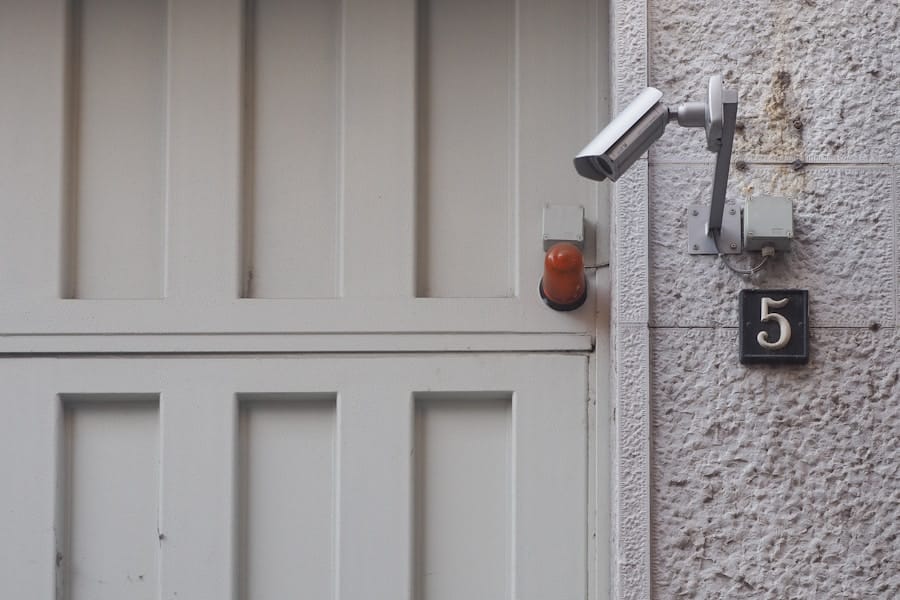
While moving advanced home security devices can be manageable with proper planning, there are potential risks and challenges that you should be aware of. One significant concern is the possibility of damaging sensitive equipment during removal or transport. Even minor impacts can affect functionality, leading to costly repairs or replacements down the line.
Additionally, if you fail to reinstall devices correctly, you may inadvertently create vulnerabilities in your home’s security. Another challenge is ensuring that all components are compatible with your new home’s infrastructure. For instance, if you have a smart lock that relies on a specific type of door frame or electrical setup, it may not function as intended in your new environment.
Furthermore, local regulations regarding surveillance cameras or alarm systems may differ from those in your previous location, necessitating adjustments or additional permits.
Consulting with a Professional for Moving Advanced Home Security Devices
Given the complexities involved in moving advanced home security devices, consulting with a professional can be a wise decision. Security experts can provide valuable insights into the best practices for disassembling and reinstalling your system while ensuring compliance with local regulations. They can also assess your new home’s security needs and recommend upgrades or modifications based on its layout and neighborhood characteristics.
Hiring a professional can save you time and reduce stress during the moving process. They possess the expertise needed to handle intricate installations and troubleshoot any issues that may arise during reinstallation. Additionally, many security companies offer services that include monitoring and maintenance plans, which can provide ongoing support as you settle into your new home.
Conclusion and Recommendations for Moving Advanced Home Security Devices
In conclusion, moving advanced home security devices requires careful consideration and planning to ensure a smooth transition. By assessing compatibility with your new environment, safely removing devices, and properly reinstalling them, you can maintain the integrity of your home security system throughout the moving process. Remember to take into account potential risks and challenges that may arise during this transition.
As you embark on this journey, don’t hesitate to seek professional assistance if needed. Their expertise can help alleviate concerns and ensure that your advanced home security devices function optimally in your new residence. Ultimately, prioritizing safety and security will allow you to enjoy peace of mind as you settle into your new home.
If you are considering moving your advanced home security devices to a new home, it is important to follow the necessary steps to ensure they are properly installed and functioning in your new space. One helpful article to reference is Steps to Take After Installing a Home Security System, which provides valuable tips on setting up and maintaining your security system. Additionally, learning about effective strategies to safeguard your home from burglaries, as discussed in Preventing Home Burglaries: Effective Strategies to Safeguard Your Home, can help you better protect your property. Understanding the benefits of investing in a home security system, as outlined in Why Investing in a Home Security System is Worth It, can also reinforce the importance of maintaining and relocating your security devices when moving to a new home.
FAQs
Can advanced home security devices be moved to a new home?
Yes, advanced home security devices can typically be moved to a new home. However, it is important to check with the manufacturer or provider of the security system to ensure that it is compatible with the new home and to understand any potential limitations or requirements for moving the system.
What are some common advanced home security devices that can be moved?
Common advanced home security devices that can be moved to a new home include smart cameras, motion sensors, door and window sensors, smart locks, and control panels. These devices are designed to be easily installed and reinstalled in different locations.
Are there any limitations to moving advanced home security devices to a new home?
Some limitations to moving advanced home security devices to a new home may include compatibility issues with the new home’s layout or construction, the need for additional equipment or professional installation, and potential restrictions from the security system provider.
What should I consider before moving advanced home security devices to a new home?
Before moving advanced home security devices to a new home, it is important to consider the compatibility of the devices with the new home, any additional equipment or installation requirements, any contractual obligations with the security system provider, and the potential need for professional assistance with the move.


