When you step into a courtroom, the concept of admissible evidence plays a pivotal role in the judicial process. Admissible evidence refers to any information or material that can be presented in court to support or refute a claim. This evidence must meet specific legal standards to be considered valid and persuasive.
Understanding what constitutes admissible evidence is crucial for anyone involved in legal proceedings, whether you are a lawyer, a defendant, or a witness. The rules governing admissibility are designed to ensure that only reliable and relevant information influences the court’s decisions. In recent years, the advent of technology has transformed the landscape of evidence collection and presentation.
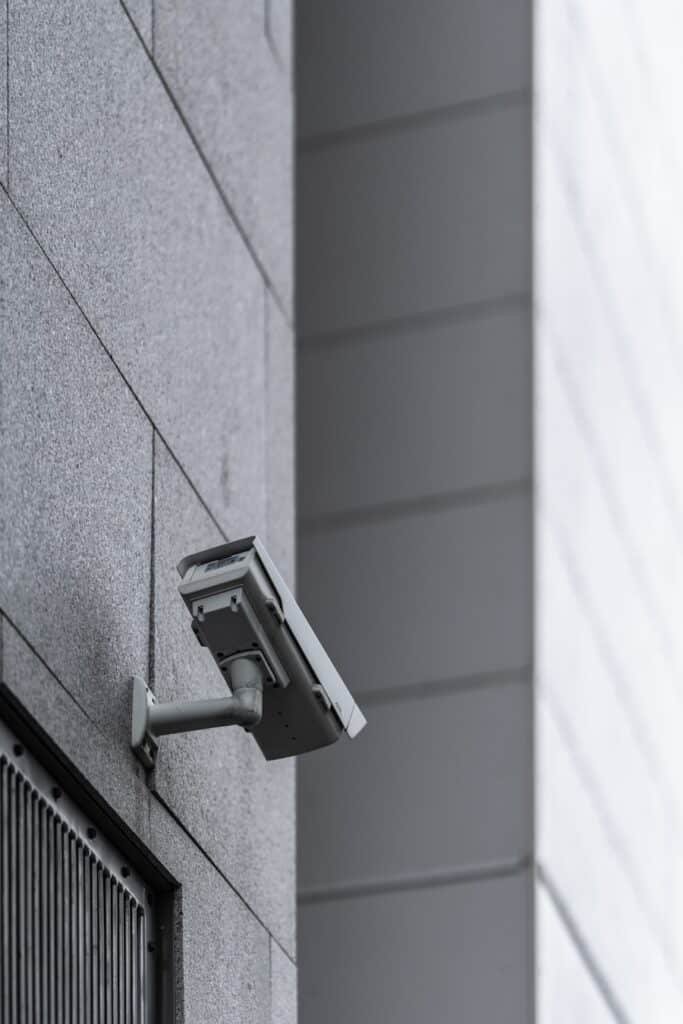
Security systems, including surveillance cameras and alarm systems, have become increasingly prevalent in both public and private spaces. These systems can capture critical moments that may be pivotal in legal cases. However, while the potential for security system evidence is vast, it is essential to recognize that not all recorded footage or data is automatically admissible in court.
The legal framework surrounding admissibility is complex and requires careful navigation to ensure that such evidence can effectively support your case.
Key Takeaways
- Admissible evidence in court refers to evidence that is allowed to be presented in a legal proceeding.
- Security systems can provide various types of evidence such as video footage, audio recordings, and access logs.
- Legal requirements for the admissibility of security system evidence include relevance, authenticity, and reliability.
- Chain of custody and preservation of security system evidence are crucial to ensure its admissibility in court.
- Authentication of security system evidence involves verifying its integrity and ensuring it has not been tampered with.
Types of Evidence Provided by Security Systems
Security systems offer a variety of evidence types that can be instrumental in legal proceedings. One of the most common forms is video footage captured by surveillance cameras. This visual evidence can provide a clear depiction of events as they unfold, allowing judges and juries to see exactly what happened during an incident.
For instance, in cases involving theft or assault, video recordings can serve as powerful corroborative evidence, helping to establish timelines and identify individuals involved. In addition to video footage, security systems can also generate audio recordings, which may capture conversations or sounds relevant to a case. These audio clips can provide context that visual evidence alone may not convey.
Furthermore, many modern security systems come equipped with motion sensors and alarms that log events, creating a detailed timeline of activities. This data can be invaluable in establishing patterns of behavior or confirming the occurrence of specific incidents, thereby enhancing the overall evidentiary value of the security system.
Legal Requirements for Admissibility of Security System Evidence

To ensure that security system evidence is admissible in court, it must meet several legal requirements. First and foremost, the evidence must be relevant to the case at hand. This means that it should have a direct connection to the facts being disputed.
If the footage or data does not pertain to the case, it may be deemed inadmissible, regardless of its quality or clarity. Another critical requirement is that the evidence must be authentic. This involves demonstrating that the security system was operational at the time the evidence was recorded and that the footage has not been tampered with or altered in any way.
Courts often require a foundation to be laid for this authenticity, which may involve testimony from individuals who can attest to the system’s functionality and integrity. Additionally, compliance with privacy laws and regulations is essential; any evidence obtained unlawfully may be excluded from consideration.
Chain of Custody and Preservation of Security System Evidence
The chain of custody refers to the process of maintaining and documenting the handling of evidence from the moment it is collected until it is presented in court. For security system evidence, establishing a clear chain of custody is vital to ensure its integrity and reliability. You must meticulously document who collected the evidence, how it was stored, and who had access to it at all times.
Any gaps or inconsistencies in this chain can lead to questions about the evidence’s authenticity and may result in its exclusion from court proceedings. Preservation of security system evidence is equally important. This involves taking steps to protect the original recordings from alteration or degradation.
For instance, you should create secure backups of video footage and ensure that any data storage devices are kept in controlled environments. Additionally, you must follow proper protocols for transferring data between parties involved in a case. By maintaining a robust chain of custody and ensuring proper preservation techniques are employed, you can bolster the credibility of your security system evidence.
Authentication of Security System Evidence
Authentication is a critical step in establishing the admissibility of security system evidence. To authenticate this type of evidence, you must demonstrate that it accurately represents what it purports to show. This often involves providing testimony from individuals who can verify the operation of the security system and confirm that the recordings have not been altered since their creation.
In many cases, courts will accept various forms of authentication, including witness testimony or expert analysis. For example, if you have an IT professional who can explain how the security system operates and confirm its reliability, their testimony can significantly strengthen your case. Additionally, metadata associated with digital recordings—such as timestamps and file creation dates—can serve as further proof of authenticity.
By effectively navigating the authentication process, you can enhance the likelihood that your security system evidence will be deemed admissible.
Expert Testimony on Security System Evidence

Expert testimony can play a crucial role in cases involving security system evidence. When you present complex technical information related to surveillance technology or data analysis, having an expert witness can help clarify these concepts for the court. An expert can explain how security systems function, discuss industry standards for data collection and storage, and provide insights into how specific pieces of evidence relate to the case at hand.
Moreover, expert witnesses can assist in interpreting video footage or audio recordings, offering professional opinions on what the evidence reveals about an incident. Their expertise can help establish context and significance that may not be immediately apparent to laypersons such as jurors or judges. By incorporating expert testimony into your case strategy, you can enhance the credibility of your security system evidence and improve your chances of achieving a favorable outcome.
Challenges to Admissibility of Security System Evidence
Despite its potential value, security system evidence often faces challenges regarding its admissibility in court. One common issue is related to privacy concerns; if the footage was obtained without proper consent or in violation of privacy laws, it may be deemed inadmissible. Courts are increasingly vigilant about ensuring that individuals’ rights are protected, which means you must be diligent in adhering to legal standards when collecting such evidence.
Another challenge arises from questions about the reliability of security systems themselves. Critics may argue that cameras can malfunction or that footage can be manipulated after recording. To counter these challenges, you must be prepared to provide robust documentation regarding the operation and maintenance of the security system used to collect evidence.
By addressing potential weaknesses head-on and presenting compelling arguments for admissibility, you can strengthen your position in court.
Best Practices for Using Security System Evidence in Court
To maximize the effectiveness of security system evidence in court, you should follow several best practices throughout your case preparation and presentation phases. First and foremost, ensure that you have a thorough understanding of the legal requirements for admissibility specific to your jurisdiction. Familiarize yourself with local rules regarding privacy laws and evidentiary standards so that you can navigate these complexities effectively.
Additionally, invest time in organizing your evidence meticulously. Create clear documentation outlining the chain of custody and preservation methods used for your security system evidence. This will help establish credibility and demonstrate your commitment to maintaining the integrity of the material presented in court.
Furthermore, consider enlisting expert witnesses early in your case preparation; their insights can guide your strategy and enhance your overall presentation. In conclusion, while security system evidence holds significant potential for influencing legal outcomes, its admissibility hinges on various factors ranging from relevance to authentication and chain of custody. By understanding these complexities and implementing best practices throughout your case preparation process, you can effectively leverage security system evidence to support your claims or defenses in court.
If you are considering installing a home security system, it is important to understand how it can benefit you not only in terms of safety but also in terms of potential insurance discounts. According to a recent article on oursecurehome.net, many insurance companies offer discounts to homeowners who have a security system in place. This can help offset the cost of the system and provide added peace of mind. Additionally, having a security system can also provide valuable evidence in the event of a break-in or other crime, potentially making it admissible in court. Be sure to avoid common pitfalls and mistakes when setting up your system, as outlined in another helpful article on oursecurehome.net.
FAQs
What is admissible evidence in court?
Admissible evidence in court is any type of evidence that is allowed to be presented in a court of law. This evidence must be relevant, reliable, and obtained legally.
Can security system footage be admissible in court?
Yes, security system footage can be admissible in court if it meets the requirements of being relevant, reliable, and obtained legally. This may include ensuring that the footage has not been tampered with and that it accurately represents the events in question.
What can affect the admissibility of security system footage in court?
The admissibility of security system footage in court can be affected by factors such as the quality of the footage, whether it has been tampered with, and whether it accurately represents the events in question. Additionally, the legality of obtaining the footage and the chain of custody can also impact its admissibility.
How can I ensure that my security system footage is admissible in court?
To ensure that your security system footage is admissible in court, it is important to maintain the integrity of the footage by regularly maintaining and testing your security system, ensuring that the footage is not tampered with, and following legal guidelines for obtaining and storing the footage. It may also be beneficial to consult with legal professionals or law enforcement to ensure that your security system meets the necessary requirements for admissibility.