


In an age where technology permeates every aspect of our lives, the realm of home security has not been left behind. You may have noticed a significant shift from traditional locks and alarms to sophisticated systems that integrate smart technology. Advanced home security devices are designed to provide you with peace of mind, allowing you to monitor your property remotely and respond to potential threats in real-time.
These devices often include features such as video surveillance, motion detection, and even smart locks that can be controlled via your smartphone. As you navigate through the options available, understanding the capabilities and limitations of these devices becomes crucial. The rise of smart home technology has transformed the way you think about security.
No longer are you limited to a simple alarm system; instead, you have access to a plethora of devices that can work together to create a comprehensive security network. From doorbell cameras that allow you to see who is at your door, to smart sensors that alert you when a window is opened, these devices offer a level of convenience and control that was previously unimaginable. However, with this increased functionality comes a new set of challenges, particularly concerning cybersecurity.
As you embrace these advanced systems, it’s essential to be aware of the potential vulnerabilities that could compromise your home’s safety.
Key Takeaways
- Advanced home security devices offer enhanced protection through technology
- Types of advanced home security devices include smart cameras, motion sensors, and smart locks
- Vulnerabilities of advanced home security devices include weak passwords and outdated software
- Methods of hacking advanced home security devices include brute force attacks and exploiting software vulnerabilities
- Risks of hacked home security devices include invasion of privacy and physical security threats
- Prevention against hacking includes using strong passwords and regularly updating device software
- The future of advanced home security devices involves improved encryption and biometric authentication
- Ensuring the security of advanced home security devices requires proactive measures and staying informed about cybersecurity trends
Types of Advanced Home Security Devices
Surveillance Cameras: Keeping an Eye on Your Property
These cameras often come equipped with features such as night vision, two-way audio, and cloud storage options, allowing you to keep an eye on your property at all times. With the ability to access live feeds from your smartphone or tablet, you can monitor your home even when you’re miles away.
Smart Locks: Convenience and Control
Unlike traditional locks that require a physical key, smart locks can be controlled remotely through your smartphone or a keypad. This means you can grant access to family members or service providers without needing to be physically present. Some smart locks even offer temporary access codes, which can be particularly useful for short-term guests or deliveries.
Motion Sensors and Alarm Systems: Enhanced Security and Awareness
Additionally, motion sensors and alarm systems play a critical role in enhancing your home’s security. These devices can detect unusual activity and alert you immediately, ensuring that you are always aware of what’s happening around your home.
Vulnerabilities of Advanced Home Security Devices
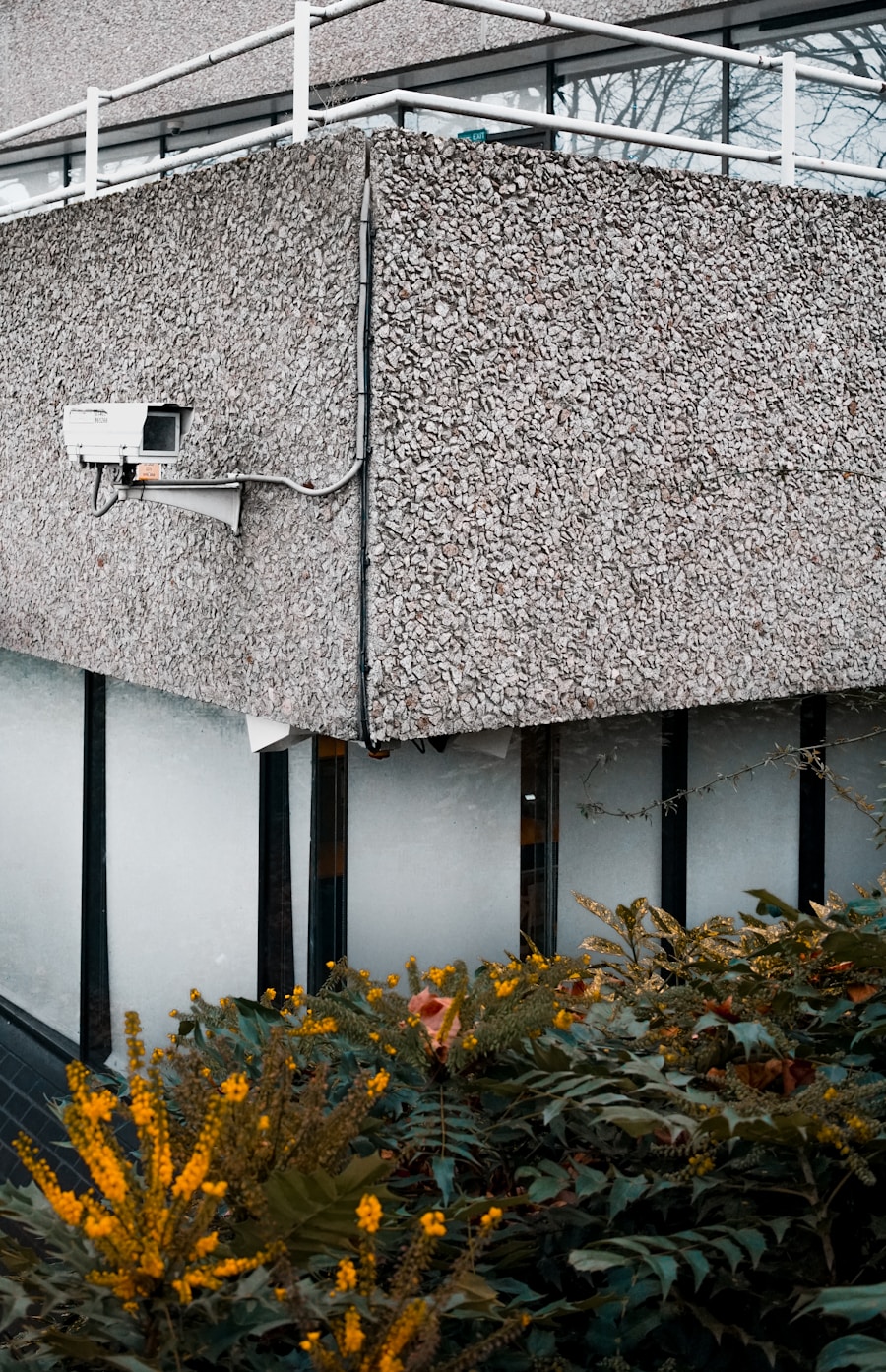
While advanced home security devices offer numerous benefits, they are not without their vulnerabilities. As you integrate these technologies into your home, it’s important to recognize that they can be susceptible to hacking and other cyber threats. Many of these devices rely on Wi-Fi connectivity, which can be a double-edged sword.
On one hand, it allows for remote monitoring and control; on the other hand, it opens up potential entry points for cybercriminals. If your Wi-Fi network is not adequately secured, hackers may exploit weaknesses to gain access to your devices and compromise your home’s security. Moreover, many advanced security devices come with default passwords that users often neglect to change.
This oversight can make it easier for hackers to infiltrate your system. Additionally, software vulnerabilities may exist within the device itself or its accompanying app, providing another avenue for cyberattacks. As you consider implementing advanced security measures in your home, it’s crucial to stay informed about these vulnerabilities and take proactive steps to mitigate them.
Methods of Hacking Advanced Home Security Devices
Understanding how hackers exploit vulnerabilities in advanced home security devices is essential for safeguarding your home. One common method is known as “credential stuffing,” where attackers use stolen usernames and passwords from other data breaches to gain access to your devices. If you’ve reused passwords across multiple platforms, this could put your security at risk.
Hackers may also employ techniques such as phishing attacks, tricking you into providing sensitive information or downloading malicious software that compromises your devices. Another method involves exploiting weak Wi-Fi networks. If your home network lacks robust encryption or uses outdated protocols, hackers can easily intercept data transmitted between your devices and the internet.
They may also use tools like packet sniffers to capture unencrypted data packets, potentially gaining access to your security system. As you familiarize yourself with these hacking methods, it becomes clear that vigilance and proactive measures are necessary to protect your home from potential threats.
Risks and Consequences of Hacked Home Security Devices
The risks associated with hacked home security devices extend far beyond mere inconvenience; they can have serious implications for your safety and privacy. If a hacker gains access to your surveillance cameras, they could monitor your daily routines and identify when you are away from home, making it easier for them to plan a burglary or other criminal activity. Additionally, if smart locks are compromised, unauthorized individuals could gain entry into your home without your knowledge.
Beyond physical security concerns, there are also significant privacy risks involved. Many advanced security devices collect data about your habits and preferences, which could be exploited if they fall into the wrong hands. Personal information such as video footage or access logs could be used for identity theft or other malicious purposes.
As you consider the potential consequences of hacking incidents, it becomes evident that protecting your advanced home security devices is not just about safeguarding your property; it’s also about preserving your privacy and peace of mind.
Prevention and Protection Against Hacking
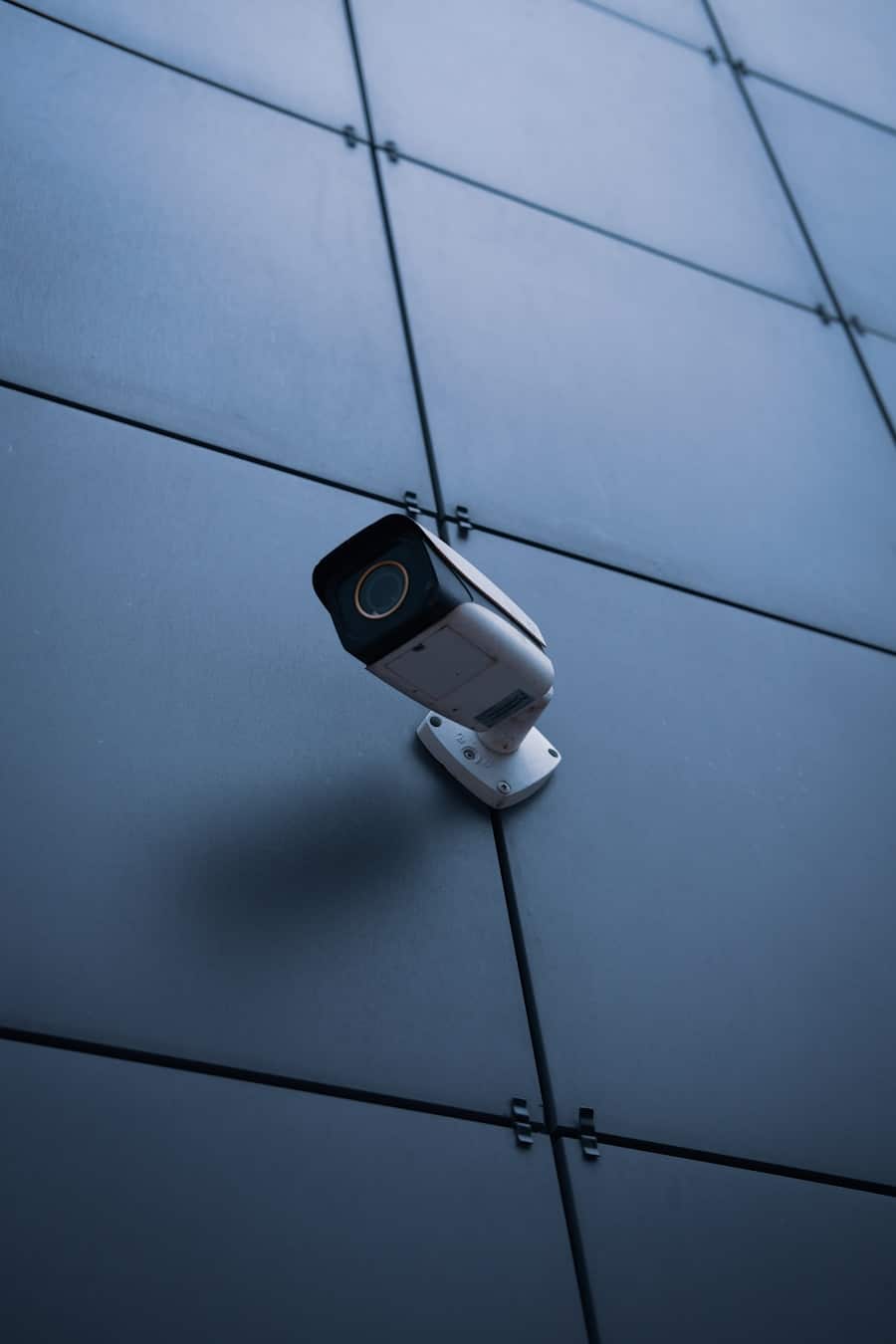
Regular Updates and Patches
Ensure that all devices are updated regularly with the latest firmware and software patches provided by manufacturers. These updates often contain critical security enhancements that address known vulnerabilities.
Secure Passwords and Wi-Fi Network
Changing default passwords to strong, unique passwords is essential in fortifying your defenses against unauthorized access. Implementing a secure Wi-Fi network is another crucial step in safeguarding your devices. Use WPA3 encryption if available and consider setting up a separate network specifically for your smart devices. This way, even if one device is compromised, it won’t jeopardize the entire network.
Two-Factor Authentication
Enabling two-factor authentication (2FA) on accounts associated with your security devices adds an extra layer of protection by requiring a second form of verification before granting access.
Future of Advanced Home Security Devices and Cybersecurity
As technology continues to evolve, so too will the landscape of advanced home security devices and cybersecurity measures. You may find that future innovations will focus on enhancing both functionality and security features simultaneously. For instance, artificial intelligence (AI) is likely to play a significant role in improving threat detection capabilities within these systems.
AI algorithms can analyze patterns in behavior and identify anomalies that may indicate a potential breach or intrusion. Moreover, as more households adopt smart technology, manufacturers will likely prioritize cybersecurity in their designs. This could lead to more robust encryption methods and built-in safeguards against hacking attempts.
As you look ahead to the future of home security, staying informed about emerging technologies and best practices will be essential in ensuring that your home remains secure in an increasingly connected world.
Ensuring the Security of Advanced Home Security Devices
In conclusion, while advanced home security devices offer unparalleled convenience and peace of mind, they also present unique challenges regarding cybersecurity. As you embrace these technologies in your home, it’s vital to remain vigilant about potential vulnerabilities and take proactive steps to protect yourself from hacking attempts. By understanding the types of devices available, recognizing their weaknesses, and implementing effective prevention strategies, you can significantly enhance the security of your home.
Ultimately, ensuring the safety of advanced home security devices requires a combination of awareness, education, and proactive measures on your part. As technology continues to advance, staying informed about best practices will empower you to make informed decisions about securing your home against potential threats. By prioritizing both physical and digital security measures, you can enjoy the benefits of modern technology while safeguarding what matters most—your home and loved ones.
Can Advanced Home Security Devices Be Hacked? explores the potential vulnerabilities of modern home security systems. While these systems offer numerous benefits, such as deterring burglars and providing peace of mind, it is important to consider the risks associated with them. For more information on the benefits of installing a home security system, check out this article. Additionally, to learn about comprehensive security services that can help keep your home safe, visit this link. If you are in Raleigh, North Carolina, and looking for professional home security system services, be sure to read about the options available in this article.
FAQs
What are advanced home security devices?
Advanced home security devices are electronic systems designed to protect homes from intruders and other security threats. These devices can include smart locks, security cameras, motion sensors, and alarm systems that can be controlled and monitored remotely through a smartphone or computer.
Can advanced home security devices be hacked?
Yes, advanced home security devices can be hacked if they are not properly secured. Hackers can exploit vulnerabilities in the devices’ software or hardware to gain unauthorized access and control over the system.
What are the potential risks of hacked home security devices?
If a home security device is hacked, it can compromise the safety and privacy of the home and its occupants. Hackers may be able to disable the security system, spy on the occupants through compromised cameras, or even gain access to personal information stored on the devices.
How can homeowners protect their advanced home security devices from being hacked?
Homeowners can protect their advanced home security devices from being hacked by regularly updating the devices’ firmware and software, using strong and unique passwords, enabling two-factor authentication, and securing their home network with a firewall and encryption.
What should homeowners do if they suspect their home security devices have been hacked?
If homeowners suspect that their home security devices have been hacked, they should immediately disconnect the devices from the internet and contact the manufacturer for support. They should also consider resetting the devices to their factory settings and implementing stronger security measures.


