


Integration is a term that resonates across various fields, from technology to business processes. At its core, integration refers to the act of combining different systems, applications, or components to work together seamlessly. In the context of smart devices, integration means enabling these devices to communicate with one another, share data, and function as a cohesive unit.
This interconnectedness enhances user experience and streamlines operations, making everyday tasks more efficient and enjoyable. As you delve deeper into the concept of integration, you will discover that it is not merely about connecting devices; it is about creating an ecosystem where each component enhances the functionality of the others. For instance, imagine a smart home where your thermostat, lights, and security system are all integrated.
When you leave for work, your security system can automatically lock the doors, your thermostat can adjust to save energy, and your lights can turn off—all without you having to lift a finger. This level of integration transforms how you interact with your environment, making it more intuitive and responsive to your needs.
Key Takeaways
- Integration refers to the process of connecting different devices and systems to work together seamlessly.
- The benefits of integration include improved efficiency, better data management, and enhanced user experience.
- Smart devices can be categorized into wearables, home automation, entertainment, health and fitness, and security devices.
- Compatibility and connectivity are crucial factors to consider when integrating smart devices to ensure they work together effectively.
- Security and privacy concerns arise when integrating smart devices, and it’s important to take measures to protect personal data.
Benefits of Integration
Increased Efficiency
One of the most notable advantages of integration is increased efficiency. When devices are integrated, they can automate routine tasks that would otherwise require manual intervention. For example, if you have a smart coffee maker that integrates with your morning alarm, it can start brewing your coffee as soon as you wake up. This not only saves you time but also ensures that you start your day on a positive note with a fresh cup of coffee waiting for you.
Convenience and Control
Moreover, integration fosters convenience. With a unified system, you can control multiple devices from a single interface, such as a smartphone app or voice assistant. This eliminates the need to juggle different remotes or apps for each device. Imagine being able to adjust your home’s lighting, temperature, and security settings all from one place.
Customization and Simplification
This level of control not only simplifies your life but also enhances your ability to customize your environment according to your preferences.
Types of Smart Devices
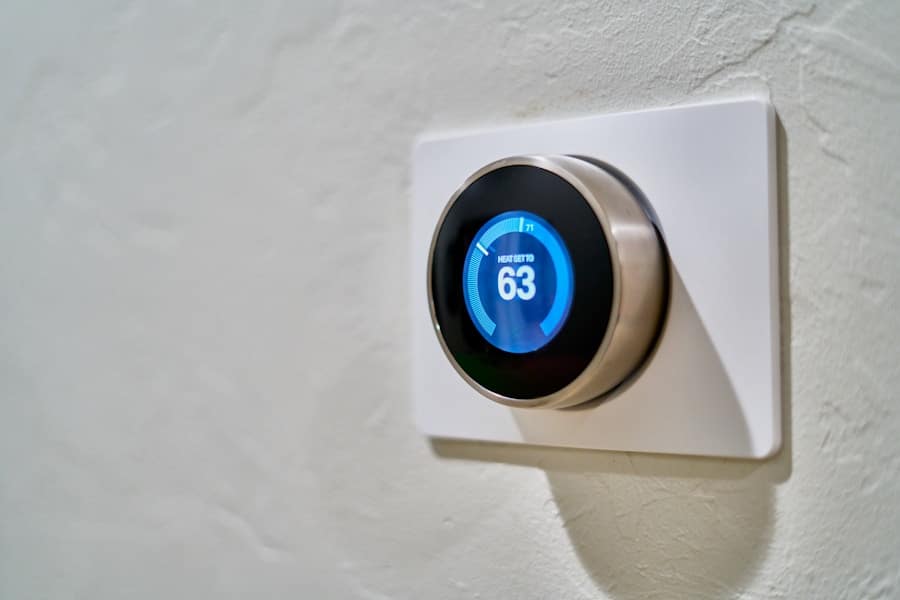
In today’s digital landscape, smart devices come in various forms, each designed to serve specific functions within an integrated ecosystem. Smart speakers, for instance, have gained immense popularity as central hubs for controlling other devices through voice commands. These devices can play music, provide weather updates, and even manage your smart home appliances with simple voice prompts.
Another category of smart devices includes smart thermostats, which learn your heating and cooling preferences over time. They can adjust temperatures based on your schedule or even detect when you’re away from home to save energy. Additionally, smart security cameras and doorbells offer peace of mind by allowing you to monitor your property remotely.
These devices not only enhance security but also integrate with other systems to provide alerts and notifications directly to your smartphone.
Compatibility and Connectivity
As you explore the world of smart devices, understanding compatibility and connectivity becomes crucial. Not all devices are created equal; some may use different communication protocols or standards that can hinder their ability to work together seamlessly. For instance, some devices may rely on Wi-Fi for connectivity, while others might use Bluetooth or Zigbee.
Ensuring that your devices are compatible with one another is essential for achieving a fully integrated system. To facilitate connectivity, many manufacturers have adopted universal standards such as Z-Wave or Matter. These protocols allow devices from different brands to communicate effectively, reducing the barriers to integration.
When selecting smart devices for your home or office, it’s wise to research their compatibility with existing systems and consider investing in a central hub that can bridge any gaps between different technologies.
Security and Privacy Concerns
While the benefits of integration are compelling, it’s essential to address the security and privacy concerns that come with interconnected devices. As more devices become part of your network, the potential for vulnerabilities increases. Hackers may exploit weaknesses in one device to gain access to others within the same ecosystem.
Therefore, it’s crucial to implement robust security measures to protect your data and privacy. One effective strategy is to regularly update the firmware of your smart devices. Manufacturers often release updates that patch security vulnerabilities and enhance functionality.
Additionally, using strong, unique passwords for each device and enabling two-factor authentication can significantly reduce the risk of unauthorized access. Being proactive about security will help you enjoy the benefits of integration without compromising your safety.
Steps to Integrate
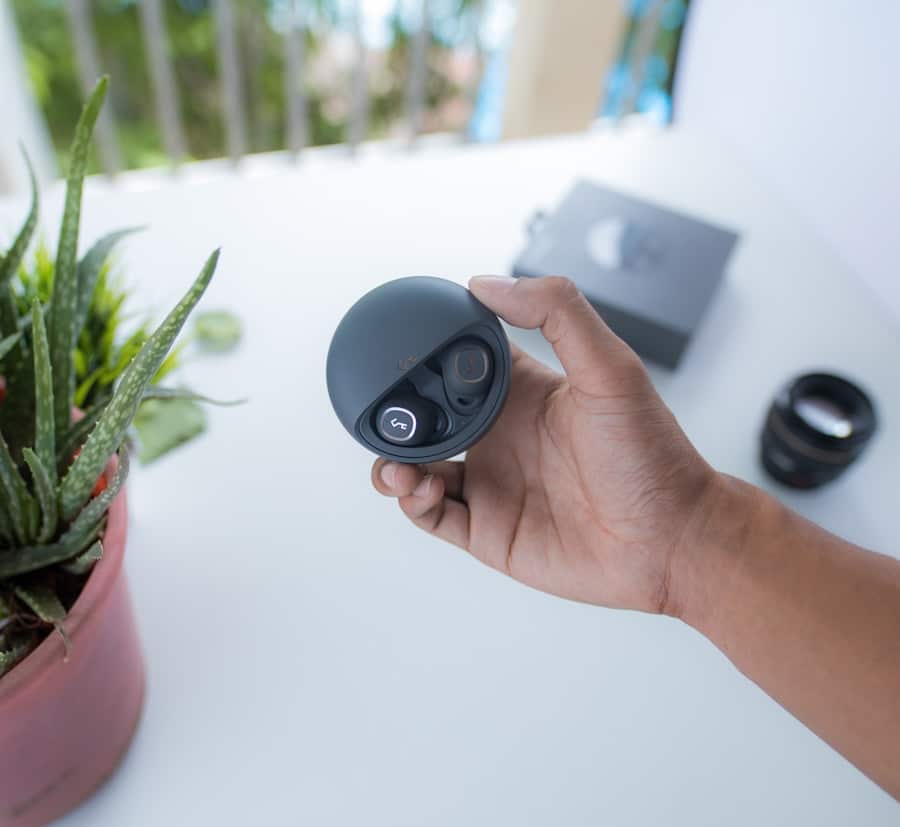
Integrating smart devices into your home or office may seem daunting at first, but by following a few straightforward steps, you can create a cohesive system that enhances your daily life. Start by assessing your needs and identifying which devices you want to integrate. Consider factors such as functionality, compatibility, and ease of use when making your selections.
Once you have chosen your devices, begin the installation process by following the manufacturer’s instructions carefully. Most smart devices come with user-friendly apps that guide you through setup and configuration. After installation, take the time to customize settings according to your preferences.
This may include setting schedules for lights or adjusting temperature settings on your thermostat. Finally, test the integration by using voice commands or app controls to ensure everything works harmoniously.
Common Challenges
Despite the many advantages of integrating smart devices, you may encounter challenges along the way. One common issue is connectivity problems caused by weak Wi-Fi signals or interference from other electronic devices. To mitigate this challenge, consider investing in a Wi-Fi extender or mesh network system that can provide better coverage throughout your space.
Another challenge is managing updates and compatibility issues as new devices are released or existing ones are upgraded. It’s not uncommon for older devices to become obsolete or incompatible with newer technologies. To stay ahead of these challenges, regularly review your system and be open to replacing outdated devices with newer models that offer enhanced features and improved compatibility.
Future of Integration
Looking ahead, the future of integration promises exciting developments that will further enhance how you interact with technology in your daily life. As artificial intelligence (AI) continues to evolve, we can expect smarter devices that learn from our behaviors and preferences over time. This means that integration will not only be about connecting devices but also about creating personalized experiences tailored specifically to you.
Moreover, advancements in 5G technology will enable faster and more reliable connectivity for smart devices. This will facilitate real-time communication between devices and open up new possibilities for automation and control. Imagine a world where your car communicates with traffic signals to optimize routes or where your refrigerator can automatically order groceries when supplies run low.
The future of integration is bright, offering endless possibilities for enhancing convenience, efficiency, and overall quality of life. In conclusion, understanding integration is essential in today’s increasingly connected world. By recognizing its benefits and challenges while exploring various types of smart devices and ensuring compatibility and security, you can create an integrated ecosystem that enhances your daily life in meaningful ways.
As technology continues to advance, staying informed about future trends will empower you to make the most of these innovations in your home or workplace.
If you are looking to integrate your security system with other smart devices in your home, you may also be interested in reading the article Protecting Your Sanctuary: Tips for a Secure Home. This article provides valuable insights and tips on how to enhance the security of your home and protect your loved ones. By combining the information from both articles, you can create a comprehensive security plan that integrates your security system with other smart devices for maximum protection.
FAQs
What is a security system integration with other smart devices?
Security system integration with other smart devices refers to the ability to connect and control your security system with other smart devices in your home, such as smart locks, cameras, lights, and thermostats. This integration allows for a more comprehensive and convenient home security and automation system.
What are the benefits of integrating my security system with other smart devices?
Integrating your security system with other smart devices allows for a more seamless and comprehensive home security and automation experience. It enables you to control and monitor all your smart devices from a single interface, enhancing convenience, efficiency, and overall home security.
What types of smart devices can be integrated with a security system?
A wide range of smart devices can be integrated with a security system, including smart locks, security cameras, motion sensors, door and window sensors, smart lights, smart thermostats, and smart home hubs. These devices can work together to enhance the overall security and automation of your home.
How can I integrate my security system with other smart devices?
Integration of a security system with other smart devices can be achieved through the use of compatible smart home platforms or security system providers that offer integration with various smart devices. This may involve using a central hub or app to connect and control all the devices, or utilizing protocols such as Z-Wave, Zigbee, or Wi-Fi for communication between devices.
Are there any compatibility issues when integrating different smart devices with a security system?
Compatibility issues may arise when integrating different smart devices with a security system, especially if the devices use different communication protocols or are not designed to work together. It is important to ensure that the devices you choose are compatible with your security system and with each other to ensure seamless integration and functionality.
Can I control my integrated security system and smart devices remotely?
Yes, many integrated security systems and smart devices can be controlled remotely through a smartphone app or web interface. This allows you to monitor and control your home security and automation system from anywhere with an internet connection, providing added convenience and peace of mind.


