


When you think about securing your home, the first thing that often comes to mind is the peace of mind that comes with knowing your property is protected. However, there’s another significant benefit that you might not have considered: insurance discounts. Many insurance companies offer reduced premiums for homeowners who install security systems.
This is because a well-implemented security system can significantly lower the risk of theft, vandalism, and other potential losses. By understanding how these discounts work, you can make informed decisions that not only enhance your home’s safety but also save you money. Insurance discounts for security systems can vary widely depending on the provider and the type of system you choose.
Some insurers may offer discounts of up to 20% or more on your homeowner’s insurance premium. This can translate into substantial savings over time, making the initial investment in a security system even more appealing. It’s essential to communicate with your insurance agent about the specific types of security measures that qualify for discounts, as not all systems are created equal.
By doing so, you can ensure that you’re maximizing your potential savings while enhancing your home’s security.
Key Takeaways
- Insurance discounts for security systems can help homeowners save money on their premiums.
- Factors such as the type of security system, its features, and the location of the property can impact insurance discounts.
- To qualify for insurance discounts, homeowners may need to provide proof of their security system installation and monitoring.
- Potential savings from insurance discounts can be calculated by contacting insurance providers and comparing quotes.
- In addition to insurance discounts, security systems offer other benefits such as peace of mind and protection against theft and vandalism.
Factors that Impact Insurance Discounts for Security Systems
Several factors influence the amount of discount you can receive on your insurance premium when you install a security system. One of the most significant factors is the type of security system you choose. Basic systems that include door and window sensors may qualify for a smaller discount compared to more advanced systems that feature 24/7 monitoring, video surveillance, and smart home integration.
Insurance companies often look favorably upon systems that provide real-time alerts and remote access, as these features can help prevent incidents before they escalate. Another critical factor is the installation of the system itself. Professional installation is generally viewed more favorably by insurers than DIY installations.
A professionally installed system is often more reliable and effective, which can lead to greater discounts on your insurance premium. Additionally, some insurers may require specific certifications or standards to be met for the system to qualify for a discount. Therefore, it’s crucial to research and choose a reputable security provider that meets these criteria to ensure you receive the maximum benefit.
How to Qualify for Insurance Discounts with a Security System
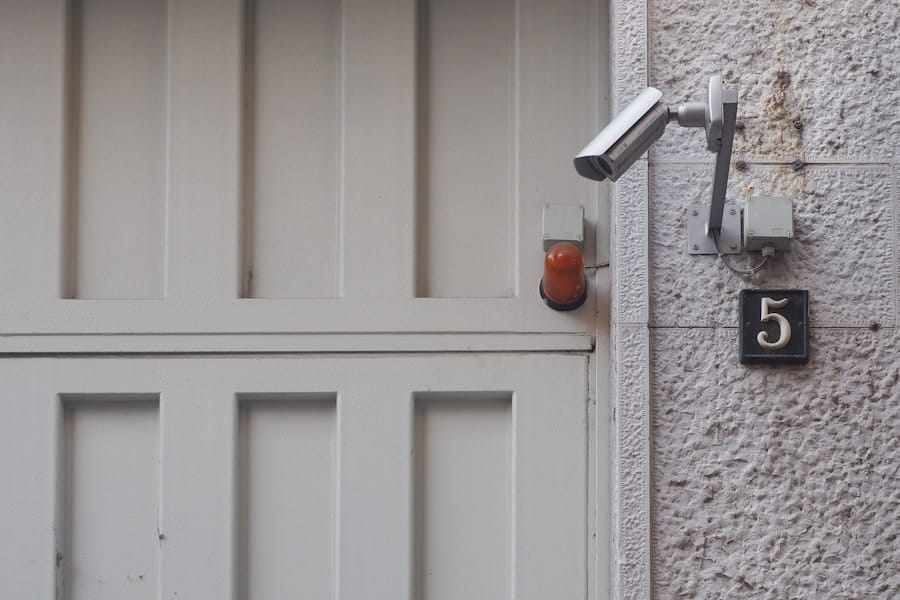
Qualifying for insurance discounts with a security system involves several steps that you should be aware of. First and foremost, it’s essential to inform your insurance company about your new security system as soon as it’s installed. Many homeowners make the mistake of assuming that their insurer will automatically know about their new security measures, but this is rarely the case.
By proactively communicating with your insurer, you can ensure that they have all the necessary information to apply any applicable discounts. In addition to notifying your insurer, you should also keep documentation of your security system installation and any certifications it may have. This documentation can serve as proof of your investment in home security and may be required by your insurance company to process your discount application.
Furthermore, if you upgrade or enhance your security system in the future, be sure to inform your insurer again, as additional features may qualify you for further discounts.
Calculating the Potential Savings from Insurance Discounts
Calculating the potential savings from insurance discounts related to your security system can be an eye-opening exercise. Start by reviewing your current homeowner’s insurance policy to determine your premium amount. Once you have this figure, research the typical discount percentages offered by various insurers for security systems.
For example, if your annual premium is $1,200 and your insurer offers a 15% discount for having a monitored security system, you could save $180 each year. To get a clearer picture of long-term savings, consider how long you plan to stay in your home. If you anticipate living there for five years, that initial $180 annual savings would add up to $900 over that period.
When combined with the added protection and peace of mind that a security system provides, the financial benefits become even more compelling. Additionally, keep in mind that some insurers may offer further discounts for bundling policies or maintaining a claims-free history, which can further enhance your overall savings.
Other Benefits of Having a Security System
While insurance discounts are a significant advantage of installing a security system, they are far from the only benefit. One of the most notable advantages is the enhanced safety and protection it provides for you and your family. A reliable security system can deter potential intruders and reduce the likelihood of break-ins or property damage.
Knowing that your home is equipped with advanced technology can give you peace of mind, allowing you to focus on other aspects of your life without constantly worrying about safety. Moreover, many modern security systems come equipped with smart technology that allows you to monitor your home remotely through mobile apps. This feature enables you to check on your property while you’re away, receive real-time alerts about unusual activity, and even control various aspects of your home environment, such as lighting and temperature.
This level of control not only enhances security but also contributes to energy efficiency and convenience in your daily life.
Tips for Maximizing Insurance Discounts with a Security System
Invest in a Comprehensive Security System
To qualify for higher insurance discounts, consider implementing a robust security system that includes features like motion detectors, door/window sensors, and video surveillance. The more comprehensive your system is, the higher the likelihood of qualifying for greater discounts from insurers.
Maintain Open Communication with Your Insurance Agent
It’s essential to keep your insurance agent informed about any changes or upgrades to your security system. If you add new features or switch providers, notify them promptly to ensure you’re receiving all available discounts. Periodically review your insurance policy and shop around for better rates or additional discounts offered by other providers.
Stay Proactive to Optimize Savings
By staying proactive in managing both your security measures and insurance coverage, you can maximize your savings while maintaining a safe home.
Common Misconceptions About Insurance Discounts for Security Systems
Despite the clear benefits of having a security system in place, several misconceptions persist regarding insurance discounts associated with these systems. One common myth is that all types of security systems automatically qualify for discounts without any additional requirements. In reality, insurers often have specific criteria regarding what constitutes an eligible system, including professional installation and certain features like monitoring services.
Another misconception is that once you install a security system and notify your insurer, you will continue to receive discounts indefinitely without any further action required on your part. However, it’s essential to keep your insurer updated on any changes or upgrades to your system and periodically review your policy to ensure you’re still receiving the best possible rates. By dispelling these myths and staying informed about your coverage options, you can make better decisions regarding both home security and insurance.
Making an Informed Decision About Investing in a Security System
Investing in a security system is a significant decision that requires careful consideration of various factors beyond just potential insurance discounts. Start by assessing your specific needs and vulnerabilities as a homeowner. Consider factors such as the crime rate in your area, the layout of your property, and any previous incidents that may have occurred nearby.
This assessment will help you determine what type of security measures are most appropriate for your situation. Once you’ve identified your needs, research different types of security systems available on the market. Look for reputable providers with positive reviews and customer testimonials.
Compare features, pricing, and installation options to find a solution that fits both your budget and requirements. Finally, don’t forget to factor in potential insurance discounts when calculating the overall cost of ownership for a security system; this can significantly influence your decision-making process and lead to long-term savings while enhancing the safety of your home. In conclusion, understanding insurance discounts for security systems can empower you to make informed choices about protecting your home while saving money on premiums.
By considering various factors that impact these discounts and taking proactive steps to qualify for them, you can maximize both safety and savings in one fell swoop.
If you are considering investing in a home security system to potentially save money on insurance premiums, you may also be interested in learning about the advanced system innovations shaping the future of home security. This article discusses how cutting-edge technology is revolutionizing the way we protect our homes and loved ones. By staying informed about the latest advancements in home security, you can make a more informed decision about which system is right for you and potentially maximize your insurance discounts.
FAQs
What is a security system discount?
A security system discount is a reduction in insurance premiums offered by insurance companies to homeowners who have installed a security system in their homes. This discount is given as a reward for taking steps to reduce the risk of theft or damage to the property.
What types of security systems are eligible for insurance discounts?
Insurance companies typically offer discounts for security systems that include features such as burglar alarms, fire alarms, smoke detectors, and security cameras. The specific requirements for eligibility may vary by insurance provider.
How much can I save with a security system discount?
The amount of savings from a security system discount varies depending on the insurance provider and the specific features of the security system. On average, homeowners can expect to save between 5% and 20% on their insurance premiums with a security system discount.
Are there any requirements for receiving a security system discount?
Insurance companies may have specific requirements for receiving a security system discount, such as the type of security system installed, its monitoring capabilities, and certification by recognized industry organizations. Homeowners should check with their insurance provider to understand the requirements for eligibility.
Can a security system eventually pay for itself through insurance discounts?
While the cost of installing a security system can be significant, the savings from insurance discounts over time can potentially offset the initial investment. However, the actual savings will depend on the cost of the security system, the amount of the insurance discount, and the duration of the insurance policy.
What are the other benefits of having a security system?
In addition to potential insurance discounts, a security system can provide homeowners with peace of mind, protection against theft and vandalism, and early detection of fire or other emergencies. It can also increase the resale value of the property and serve as a deterrent to potential intruders.


